Quantum Annealers Show Full Magnetic Reversal In Antiferromagnets - Quantum Zeitgeist
This story deserves to be shared
Send it to someone who'd care, or post it on your networks.

Researchers at Los Alamos National Laboratory have observed full saturation and reversal of the hysteresis curve in antiferromagnetic models using programmable quantum annealers. This finding challenges expectations, as antiferromagnets typically resist magnetization, making complete reversal an unusual result. The team detected Barkhausen-like noise, typically associated with ferromagnetic materials, alongside emergent magnetic domains created by quantum fluctuations. These fluctuations mediate magnetic memory within the antiferromagnets, demonstrating a direct link between quantum effects and a material property.
The team implemented a sampling-based magnetic hysteresis protocol on these processors to investigate magnetic memory within antiferromagnetic models, revealing unexpected results about how these materials respond to external fields. This approach allows for emulation of magnetic hysteresis experiments, offering a new avenue for studying complex magnetic phenomena.
This article is an excerpt. To read the full content, visit the original source. Quantum Zeitgeist
Related articles

Can Eight Years Change Your Mind? Samsung Canada Invites Canadians to Revisit Their First Impressions of Foldables - Morningstar
Samsung Canada brings early reactions back into the conversation as foldables move into the mainstream When Samsung initially introduced the Galaxy Fold in 2019, it challenged long-held ideas about what a smartphone could be and the internet had opinions. Consumers and reviewers were skeptical whether foldables were too experimental, too fragile or unlikely to become everyday devices.
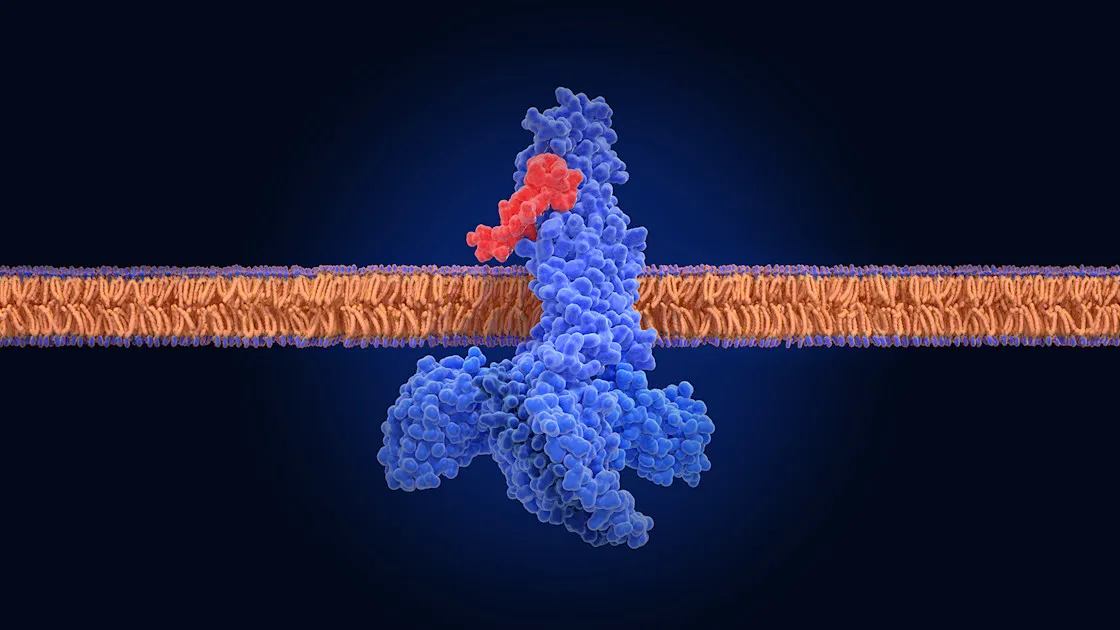
Frontiers in Science: Rebalancing the body’s cellular communication system could slow aging - Frontiers
Image: ShutterstockNew paper suggests coordinated targeting of G protein-coupled receptors (GPCRs) could tackle multiple drivers of aging and age-related disease simultaneously Researchers have outlined a bold plan for slowing aging by targeting one of the body's most important cellular communication systems. In a new paper published today in Frontiers in Science, scientists describe how novel therapies that modulate GPCR signaling could one day help delay multiple age-related diseases at once—potentially extending healthy years of life.
0 comments
No comments yet. Be the first to share your thoughts!