Psychologists say patients are turning to chatbots as mental health professionals - American Psychological Association (APA)
This story deserves to be shared
Send it to someone who'd care, or post it on your networks.
This article is an excerpt. To read the full content, visit the original source. American Psychological Association (APA)
Related articles

Mental health under strain: Spain lags Europe in access to psychologists - Yahoo News Canada
Mental health in Spain has never been talked about so much. Anxiety, depression, stress, eating disorders and emotional wellbeing have moved from often remaining hidden in the private sphere to becoming topics in family conversations, institutional campaigns, the media and social networks. The silence has been broken. The question now is what happens next, when someone decides to ask for help. Spain has around six clinical psychologists for every 100,000 inhabitants, a figure still far from the European average of about 18 professionals. This shortage has direct consequences for care: waiting lists, appointments spaced weeks or months apart, and difficulties providing the continuity needed for effective psychological treatment. This risks entrenching a two-tier mental healthcare system. Those with the means can turn to a private psychologist and be seen every week or fortnight. By contrast, people who rely solely on the public system may face much longer waits. The question is hard to avoid: is psychological care becoming a luxury reserved for those who can afford it?
UBCO researchers lay out the case for integrating psychologists into primary health-care settings - The University of British Columbia
How psychologists can spot red flags in mental health apps - American Psychological Association (APA)
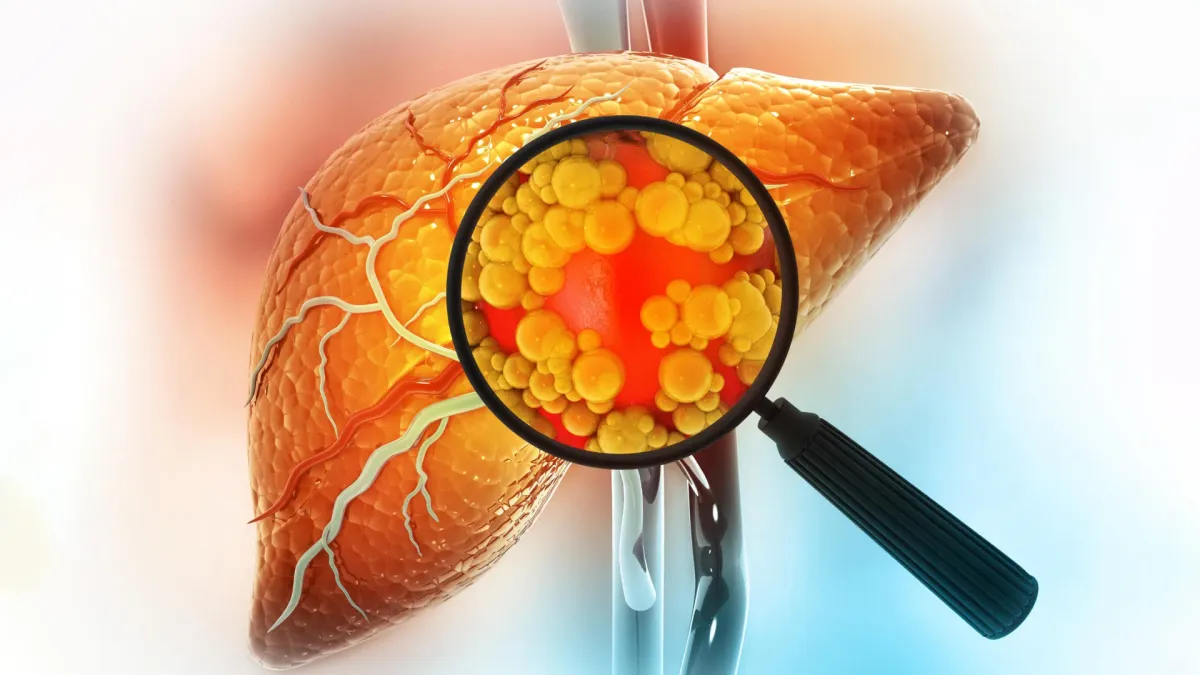
Fatty liver disease is actually five different conditions, scientists discover - Science Daily
A common liver disease affecting nearly 30% of adults worldwide is far more complex than previously understood. Researchers at Mayo Clinic have identified five biologically distinct forms of the condition, each associated with different risks of serious health complications, including heart disease, liver failure, cancer, and the need for a liver transplant. The findings, published in Nature Communications, come from a collaboration between Mayo Clinic and Virginia Tech. Scientists discovered that metabolic dysfunction-associated steatotic liver disease, or MASLD, can develop through several different biological pathways. Some are closely connected to obesity and diabetes, while others appear to be driven by inherited genetic differences.
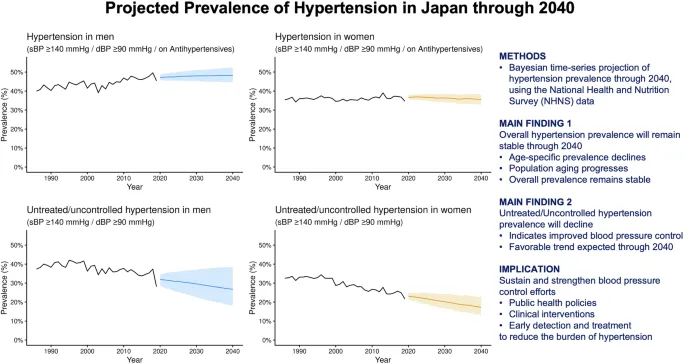
Projected prevalence of hypertension and untreated/uncontrolled hypertension in Japan through 2040 - Nature
IntroductionHypertension is a major global health concern and a leading cause of morbidity and mortality [1]. It is estimated that more than 19 million annual deaths are attributed to cardiovascular disease (CVD) worldwide [2]. In Japan, high blood pressure (BP) has been consistently identified as a strong risk factor for the national burden of CVD, in terms of notable incidence, mortality, direct/indirect healthcare costs, and quality-adjusted life years (QALYs) associated with this condition [3, 4]. Although age-specific mean BP declined in Japan over recent decades [5], hypertension remains a critical public health issue, particularly because of the rapid aging population. The proportion of individuals aged ≥65 years is projected to reach approximately 35% by 2040 in Japan [6], highlighting a potentially higher future burden of hypertension in this country. While the prevalence of hypertension increases with age, population aging may offset the benefits of declining BP levels in each age group. As a result, the future burden of hypertension in Japan remains uncertain.
0 comments
No comments yet. Be the first to share your thoughts!