Programmable higher-order nonequilibrium topological phases on a superconducting quantum processor - Science | AAAS
This story deserves to be shared
Send it to someone who'd care, or post it on your networks.
This article is an excerpt. To read the full content, visit the original source. Science | AAAS
Related articles
AI predicts two new superconducting materials—and moves us closer to zero-loss energy - Futura, le média qui explore le monde
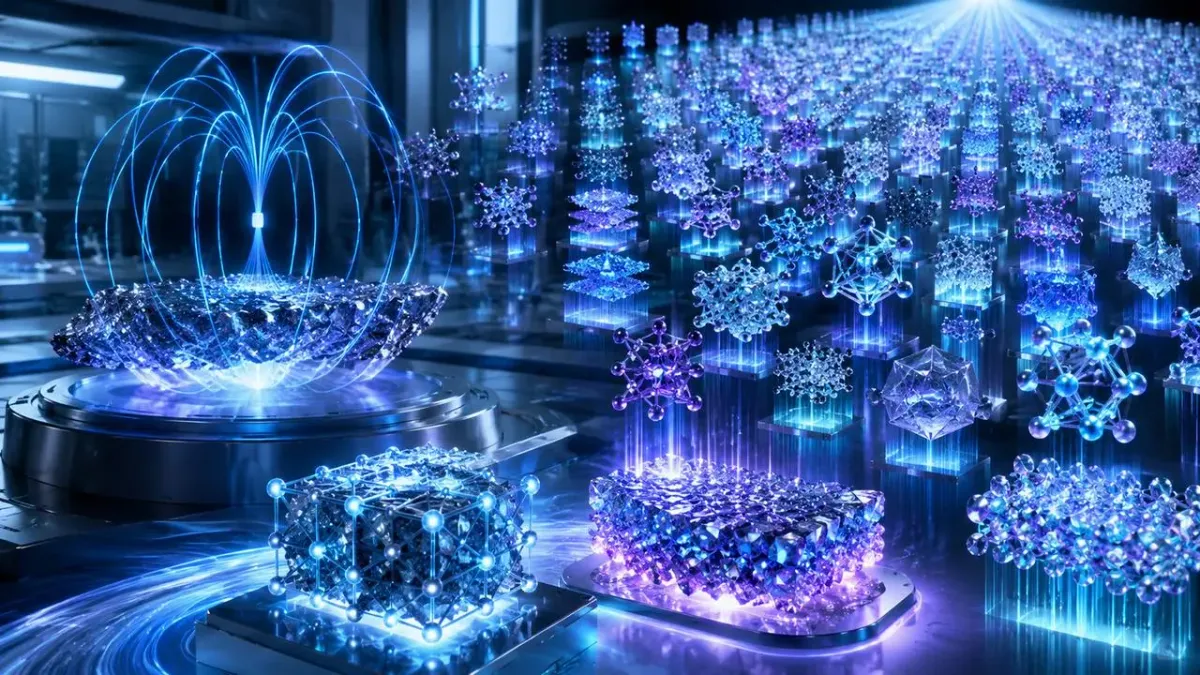
Coordinated through the SuperC international project launched in 2023, researchers at Aalto University in Finland trained a machine-learning model to search through untested chemical structures. The algorithm flagged two previously unknown compounds: YRu₃B₂ and LuRu₃B₂. Physicists at Rice University in Texas then synthesized the materials in their laboratory, testing the physical samples and confirming their predicted superconducting properties. Superconductors can carry electricity without losing power to resistance. When cooled past a specific temperature threshold, electrons form bonded pairs that pass through the metal lattice without scattering. Standard copper wiring loses power as heat, but superconducting currents flow without energy loss.
Scientists discover two superconducting states hiding as one - Science Daily
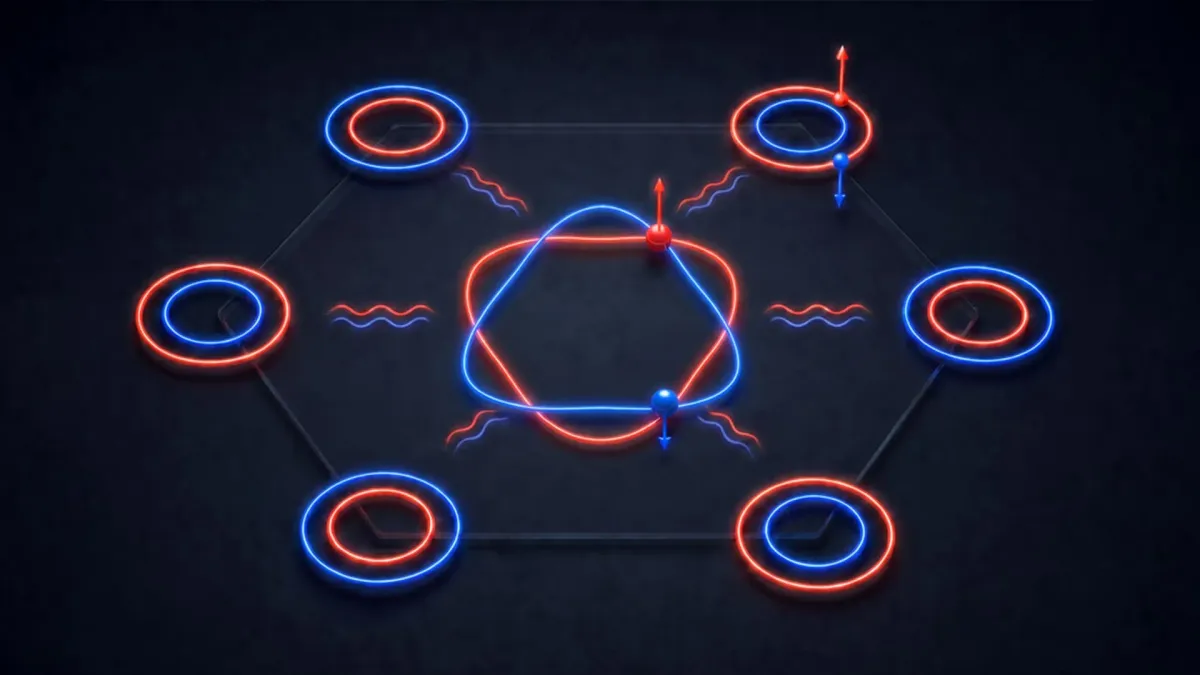
Uncovering this hidden structure could eventually allow researchers to design superconducting materials and devices with greater control and precision. As scientists pursue quantum computers, ultra-efficient electronics, and other advanced technologies, a detailed understanding of how electrons behave inside superconductors will become increasingly important.ng-standing puzzle about their behavior and offers a clearer view of superconductivity that could eventually guide the development of improved materials for quantum computers, ultra-efficient electronics, and advanced sensors. Some scientific surprises emerge not from discovering something entirely new, but from taking a closer look at something researchers thought they already understood. For decades, physicists have investigated superconductors—materials capable of carrying electrical current with zero energy loss. Their unusual properties could eventually support technologies ranging from ultra-efficient electronics and quantum computers to advanced medical systems. A Superconductor That Looked Surprisingly SimpleOne of the best-studied examples is niobium diselenide (NbSe2).
0 comments
No comments yet. Be the first to share your thoughts!