Press release | S7, the science academies of the G7 countries meet in Paris to speak out for science - Académie des sciences
This story deserves to be shared
Send it to someone who'd care, or post it on your networks.
This article is an excerpt. To read the full content, visit the original source. Académie des sciences
Related articles
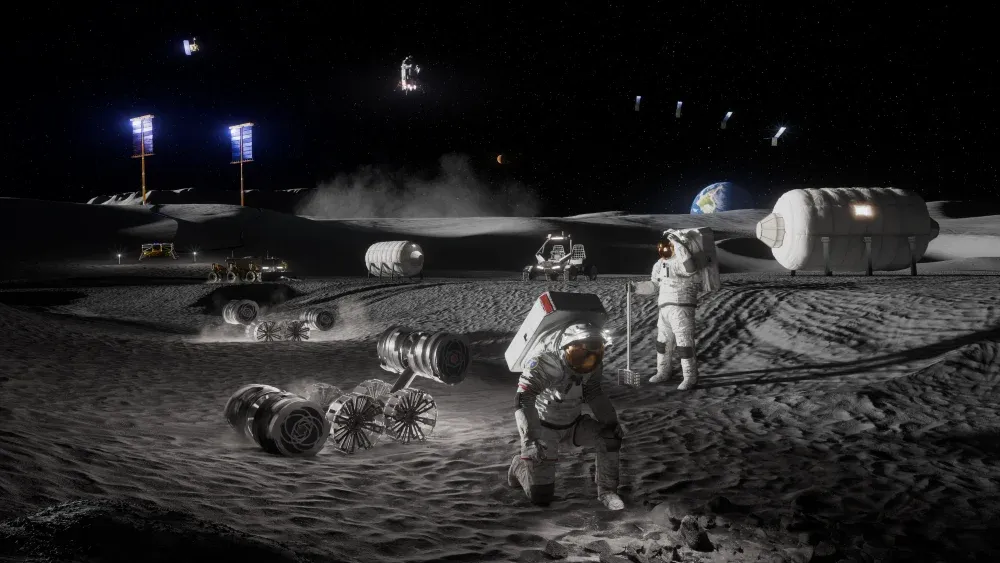
National Academies Urges NASA To Explore Moon Beyond South Pole - Aviation Week
HOUSTON—The National Academies of Sciences, Engineering and Medicine is urging NASA to conduct crewed exploration of four non-polar regions of the Moon that NASEM says have cross-disciplinary scientific value. The recommendation comes as NASA is focused on creating a Moon Base at the lunar south... Mark CarreauMark is based in Houston, where he has written on aerospace for more than 25 years. While at the Houston Chronicle, he was recognized by the Rotary National Award for Space Achievement Foundation in 2006 for his professional contributions to the public understanding of America's space program through news reporting.
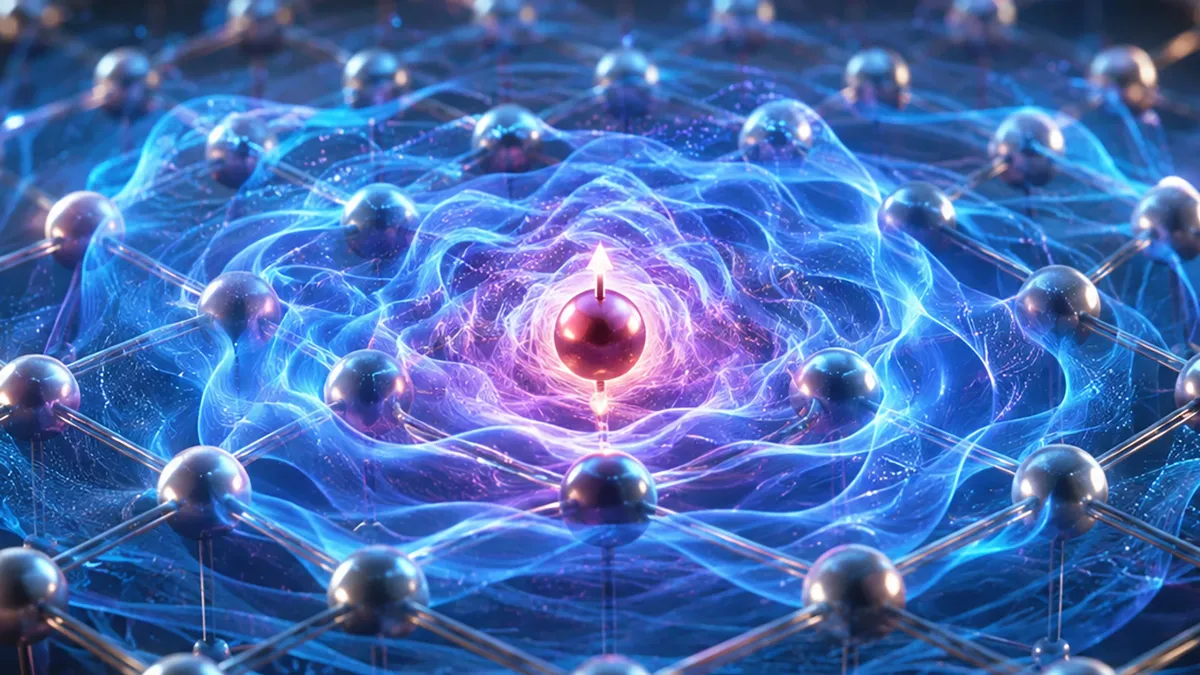
Scientists Just Cracked a Quantum Mystery That's Puzzled Physicists For Decades - ScienceAlert
The Kondo effect is one of the most important in quantum physics, describing the strange interference that magnetic atoms can have in metals. Usually, as metals cool, they become better at conducting electricity, because the reduction in energy means electrons can flow more smoothly. Add in a magnetic atom or two, though, and below a certain temperature (the Kondo temperature), electrical resistance starts to rise again. That's the Kondo effect, and we already know a lot about it. But in a physics first, researchers from the California Institute of Technology (Caltech) and Yale University in the US have managed to precisely quantify the effect in a real material via fundamental physics calculations. The work, published in Science, represents a significant step forward. Previously, scientists had to use real-world experiments and simplified models to pin down the Kondo effect, without getting predictions as precise as the new method. Scientists have known about the Kondo effect since the 1930s – that magnetic impurities can cause increased electrical resistance at lower temperatures.
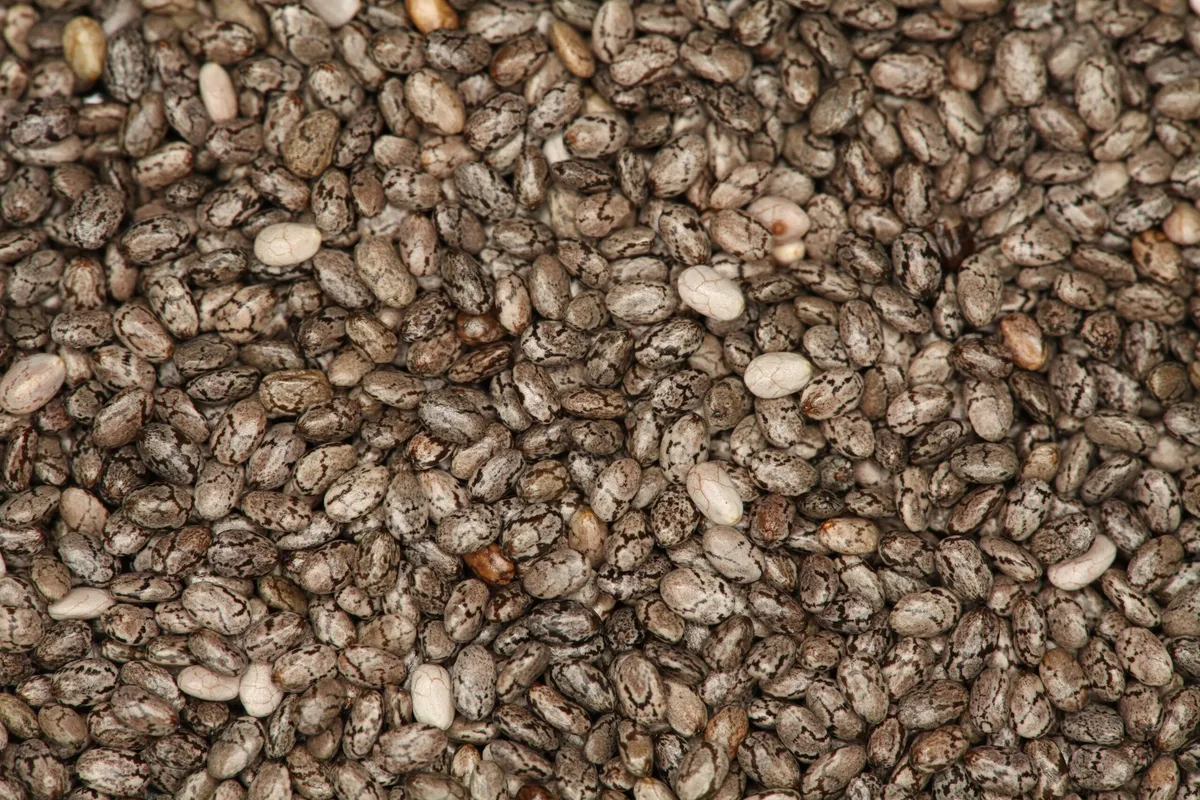
Seed Factories Come Pre-Assembled Before Sprouting Time - Science and Culture Today
A computer lies silent on the desk. Nothing is happening. Inside it are fans, a CPU, memory chips, a power supply, and gigabytes of software. At the flick of a switch, the power supply operates the fan and the boot sequence. Operating system processes begin and within a minute, multiple applications appear on the monitor, ready to respond to user input. Any applications scheduled for immediate startup are already operating at full capability. Expand this familiar experience to a factory assembly line with robotic machines powered down for the night. The morning crew arrives to punch in, flicks a switch to turn on the lights. After a few more switches, the entire factory floor is operational, ready for the crew to put in the day’s work. The machinery was all in place through the night. It just needed the signal to run.
0 comments
No comments yet. Be the first to share your thoughts!