Prelacrimal Recess Approach for Benign Maxillary Sinus Disease - Cureus
This story deserves to be shared
Send it to someone who'd care, or post it on your networks.
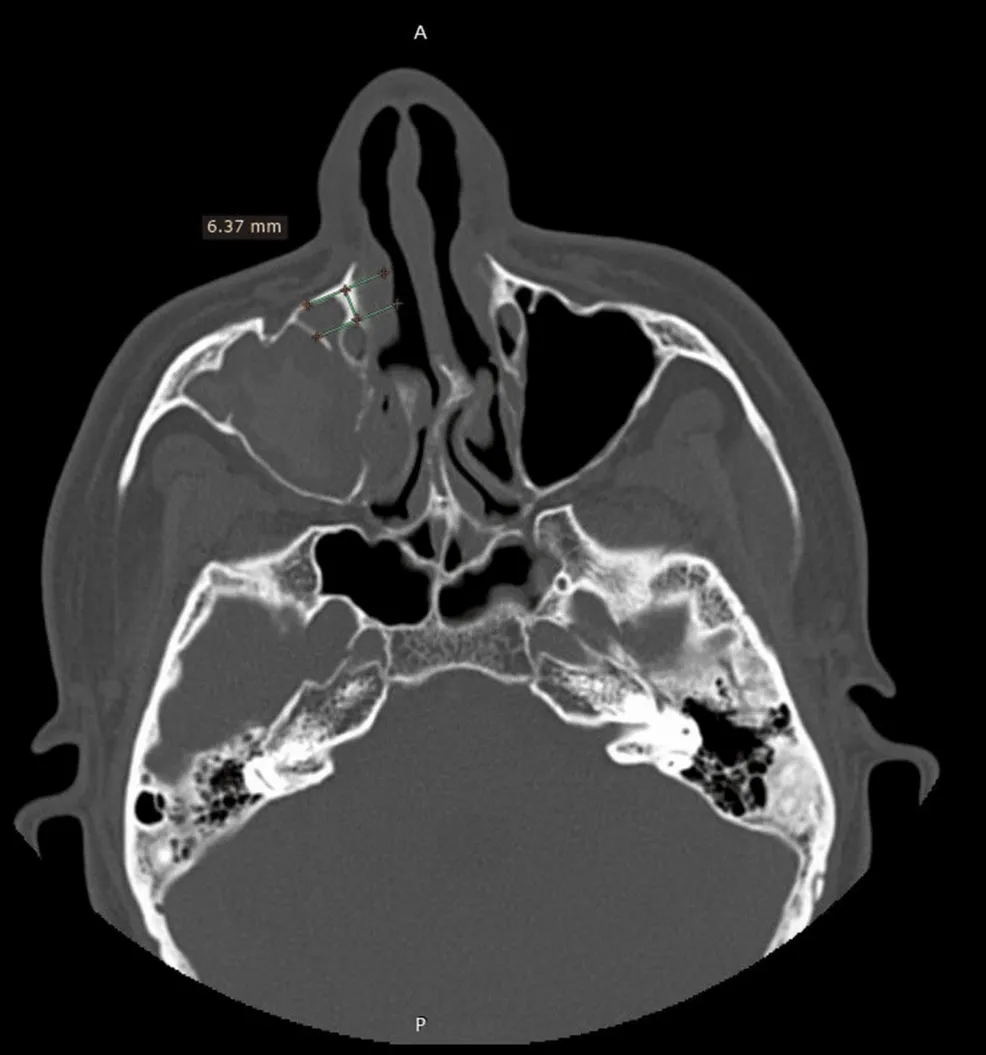
Background: The conventional middle meatal antrostomy provides limited access to the anterior, lateral and inferior walls of the maxillary sinus, potentially leaving behind residual disease. The prelacrimal recess approach may offer improved anterior access while preserving the nasolacrimal duct and inferior turbinate. This study assessed the short-term (one-month) feasibility of the prelacrimal recess approach in benign maxillary sinus disease with extensive polyposis, where access to the anterolateral wall of the maxillary sinus is required. Materials and methods: Twenty adults with benign maxillary sinus pathology underwent endoscopic surgery using the prelacrimal recess approach in this prospective interventional study. Preoperative computed tomography and visual analogue scale scoring were performed. Nasal endoscopy and visual analogue scale (VAS) scores were repeated at one month. Results: All maxillary sinus walls could be visualised in all patients. Allergic fungal rhinosinusitis was the most common diagnosis (11 patients, 55%), followed by antrochoanal polyp (four patients, 20%). The median VAS score improved from 8 preoperatively to 2 at one month (Wilcoxon signed-rank te
This article is an excerpt. To read the full content, visit the original source. Cureus
Related articles
Prelacrimal Recess Approach for Benign Maxillary Sinus Disease - Cureus
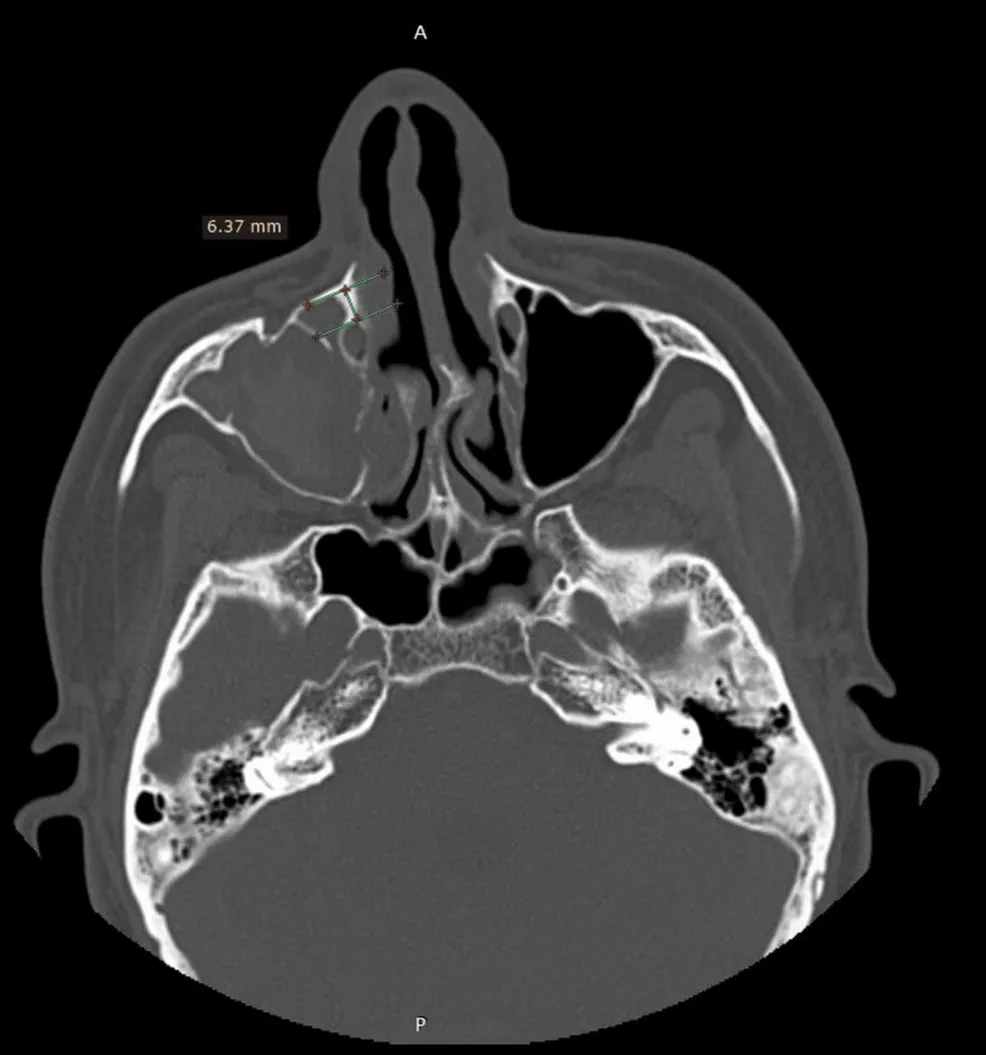
Background: The conventional middle meatal antrostomy provides limited access to the anterior, lateral and inferior walls of the maxillary sinus, potentially leaving behind residual disease. The prelacrimal recess approach may offer improved anterior access while preserving the nasolacrimal duct and inferior turbinate. This study assessed the short-term (one-month) feasibility of the prelacrimal recess approach in benign maxillary sinus disease with extensive polyposis, where access to the anterolateral wall of the maxillary sinus is required. Materials and methods: Twenty adults with benign maxillary sinus pathology underwent endoscopic surgery using the prelacrimal recess approach in this prospective interventional study. Preoperative computed tomography and visual analogue scale scoring were performed. Nasal endoscopy and visual analogue scale (VAS) scores were repeated at one month. Results: All maxillary sinus walls could be visualised in all patients. Allergic fungal rhinosinusitis was the most common diagnosis (11 patients, 55%), followed by antrochoanal polyp (four patients, 20%). The median VAS score improved from 8 preoperatively to 2 at one month (Wilcoxon signed-rank te

When is wildfire smoke too dangerous for outdoor recess?
If wildfire smoke is blanketing your area, you might think there's an air quality threshold that will send your kids indoors. Well, there isn't. August 28, 2026Updated: August 28, 2026, 11:03 am EDTPublished: August 28, 2026, 10:57 am EDTWildfire smoke and schools: When is it too smoky for recess? Wildfire smoke and poor air quality can have serious consequences for children’s health; however, not all school districts abide by the same rules when it comes to sending kids outside or staying inside for recess. Imagine this: Two schools 5 miles apart are engulfed in the exact same cloud of wildfire smoke. At 11 a.m., one principal calls recess indoors. The other sends kids out to the playground. Who decides when the air is too harmful for children? The reason is that when it comes to air quality, there are recommendations, but no clear-cut national mandates that school districts have to abide by when it comes to air quality and outdoor time.(MORE: What you're actually breathing in wildfire smoke)The federal government and several states have published detailed air quality guidelines for schools, but in most places, they are entirely optional.
0 comments
No comments yet. Be the first to share your thoughts!