Policies and interventions to create healthy school food environments: WHO guideline - Pan American Health Organization (PAHO)
This story deserves to be shared
Send it to someone who'd care, or post it on your networks.
This article is an excerpt. To read the full content, visit the original source. Pan American Health Organization (PAHO)
Related articles
First brain–heart guideline calls for integrated care for heart, brain and mental health - University of Ottawa Heart Institute
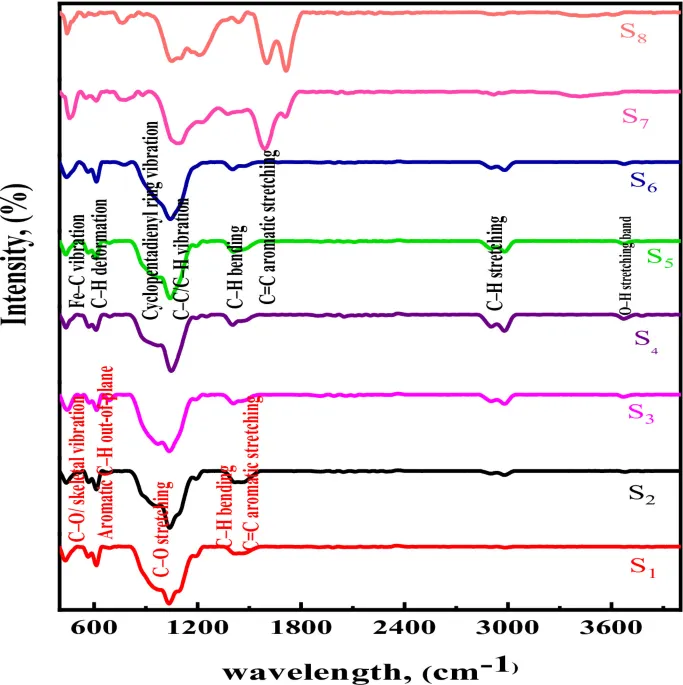
Eco-friendly valorization of agricultural sawdust waste for efficient elimination of dye and antibiotic contaminants from aquatic environments - Nature
IntroductionHumans are at risk from freshwater resource depletion, so wastewater treatment has received a lot of attention recently1. Some of the agro-waste materials being investigated for their capacity to remove colors from aqueous solutions include coir pith, pine sawdust, tamarind fruit shell, bagasse, rice husk, orange peel, palm kernel shell, cashew shell, and wall nutshell2. One of the most popular adsorbents is sawdust, a plentiful and inexpensive by-product of the wood industry that has been evaluated and suggested for the removal of dyes. sawdust now plays a significant role in the adsorption of wastewater contaminants. Because it includes numerous functional groups like carboxyl, hydroxyl, phenolic, and amide groups in its structure, which may be advantageous for adsorbing a wide range of dyes3,4. Today, the most widely used adsorbent is activated carbon, a carbonaceous solid. It can be created from any substance that has a significant amount of carbon. It is widely used to remove a variety of colours from wastewater using activated carbon. Many industries, including the textile, plastic, and paper industries, use these colors.
0 comments
No comments yet. Be the first to share your thoughts!