PacifiCan invests $13.8 million to advance defence innovation in AI and aerospace in British Columbia - Canada.ca
This story deserves to be shared
Send it to someone who'd care, or post it on your networks.
This article is an excerpt. To read the full content, visit the original source. Canada.ca
Related articles

Musk says SpaceX-Tesla merger a ‘good idea’ as AI revenue jumps ninefold
Elon Musk said he likes the idea of merging Tesla with SpaceX in a potential move that would create a roughly $3.5 trillion technology giant combining AI, space exploration and electric vehicle manufacturing. “Do I think it would be a good idea? Yes,” Musk said of the potential merger during a SpaceX Q3 earnings call on Tuesday. Musk said that both SpaceX and Tesla have formed special committees of independent directors to discuss the idea at the request of shareholders, though he isn’t able to take part in the discussions due to being a conflicted party. A merger would bring Tesla into the same corporate group as Grok developer SpaceXAI (formerly xAI) and social media platform X, which SpaceX acquired in February. The talks also come as SpaceX’s AI business became its largest revenue segment in Q3, underscoring how central artificial intelligence has become to Musk’s expanding technology empire. “There’s a lot to be gained from cooperating on developing superintelligence software, chip design, the Terafab, obviously, robotics, mass to orbit with the Starmind constellation. Connectivity,” said Musk.
Worried about index concentration? Don’t be
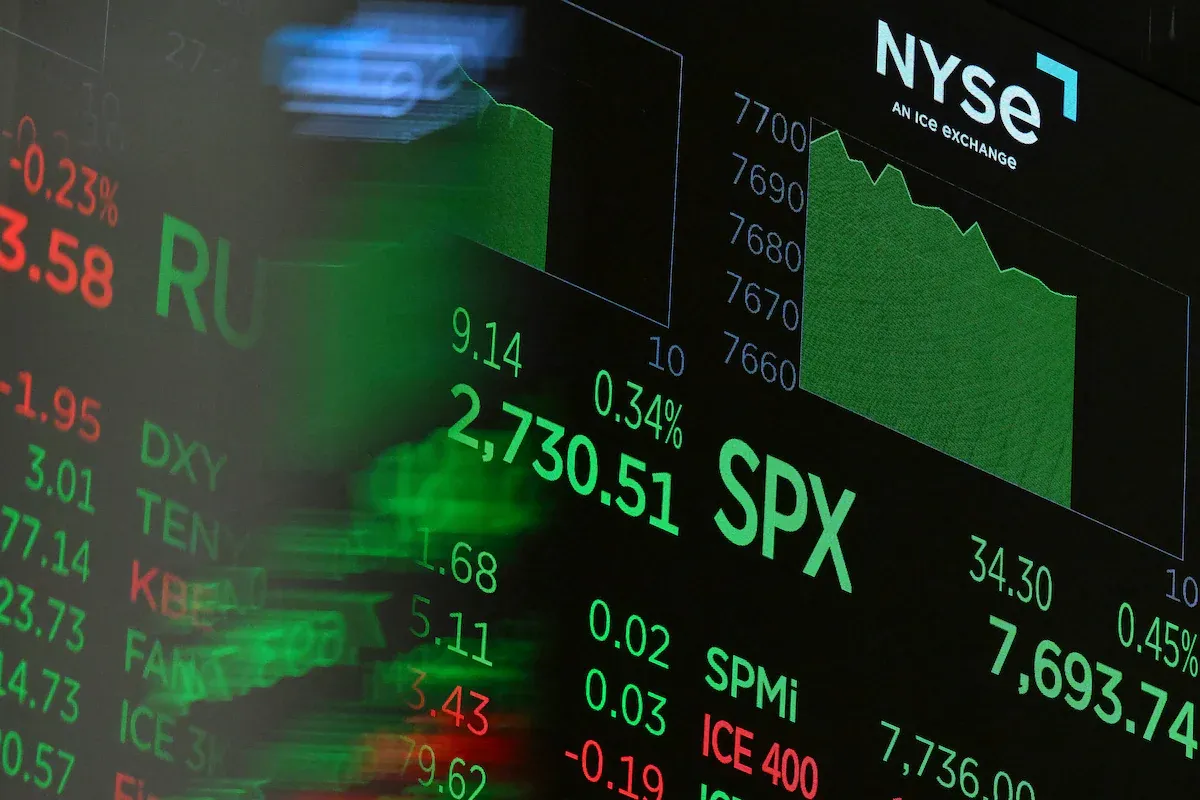
Open this photo in gallery:Trading numbers are displayed at the New York Stock Exchange at the opening bell in New York City on Monday. ANGELA WEISS/AFP/Getty ImagesThe United States is mired in an overseas conflict, inflation is on the rise, Canadians are uniting behind their flag and the top 10 companies in the S&P 500 make up nearly 40 per cent of the index. It is 1965. Today’s U. S. financial markets, dominated by technology companies and riding on enthusiasm for artificial intelligence, might appear unrecognizable to investors of the 1960s. But modern investors could be exposed to risks that would have seemed familiar a couple of generations ago: With high levels of index concentration – the domination of major market indexes by a small number of names – investors may be far less diversified than they think. Recent research by Toronto-based Picton Investments found that 83 per cent of Canadian investors are confident their portfolios are diversified, but only 57 per cent say they are familiar with the concept of index concentration.

Car buyers are demanding lower prices and better tech. Automakers must deliver both
MarketsPre-MarketsU. S. MarketsCurrenciesPrediction MarketsCryptocurrencyFutures & CommoditiesBondsFunds & ETFsBusinessEconomyFinanceHealth & ScienceMediaReal EstateEnergyClimateTransportationInvestigationsIndustrialsRetailWealthSportsLifeSmall BusinessInvestingPersonal FinanceFintechFinancial AdvisorsOptions ActionETF StreetBuffett ArchiveEarningsTrader TalkTechCybersecurityAIEnterpriseInternetMediaMobileSocial MediaCNBC Disruptor 50Tech GuideVideoLatest VideoFull EpisodesLivestreamLive AudioLive TV ScheduleCNBC PodcastsCEO InterviewsCNBC DocumentariesDigital OriginalsPROPro NewsJosh BrownMike SantoliCalls of the DayMy PortfolioLivestreamFull EpisodesStock ScreenerMarket ForecastOptions InvestingChart InvestingSubscribe
Alberta migrant groups express alarm over referendum results on immigration reform
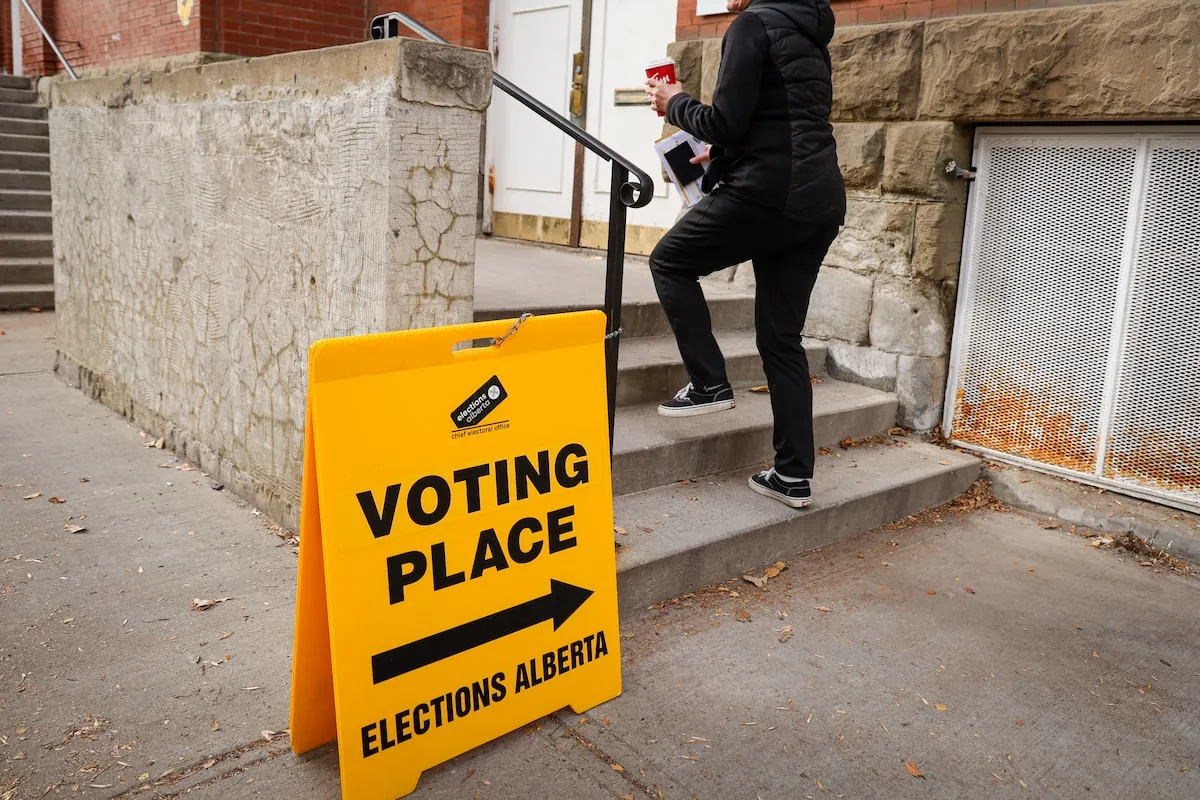
Open this photo in gallery:A voter enters a polling station to cast their vote in the Alberta referendum, in Calgary. Jeff McIntosh/The Canadian PressMigrant groups are expressing alarm over early results in the Alberta referendum, which appear to show that Albertans are largely supportive of policies to limit access to public services for temporary residents. A majority of Albertans voted on Tuesday to remain in Canada in a referendum that exposed a stark urban-rural divide, particularly on the issue of immigration. Though voters rejected the question on separation, the first four questions on the ballot broadly focused on whether the Alberta government should have greater control over immigration into the province, and whether there should be restrictions on access to provincially funded social services for non-permanent residents and non-citizens. “The immediate reaction from temporary foreign workers here is deep concern that they are going to have to start paying for health care,” said Marco Luciano, executive director of Migrante Alberta, a migrant rights advocacy group based in Edmonton.
0 comments
No comments yet. Be the first to share your thoughts!