New research shows how microplastics and water interactions could lead to cell damage - Hanford Sentinel
This story deserves to be shared
Send it to someone who'd care, or post it on your networks.

U. S. Environmental Protection Agency Administrator Lee Zeldin speaks during a roundtable with U. S. Health and Human Services Secretary Robert F. Kennedy Jr. on efforts to combat forever chemicals, at EPA headquarters on May 18, 2026, in Washington, D. C. (Heather Diehl/Getty Images/TNS)
LOS ANGELES — Scientists have found microplastics in virtually every part of the human body. Yet many questions remain about what exactly these infinitesimal flecks of synthetic polymers do to human health, and how they might cause disease.
This article is an excerpt. To read the full content, visit the original source. Hanford Sentinel
Related articles
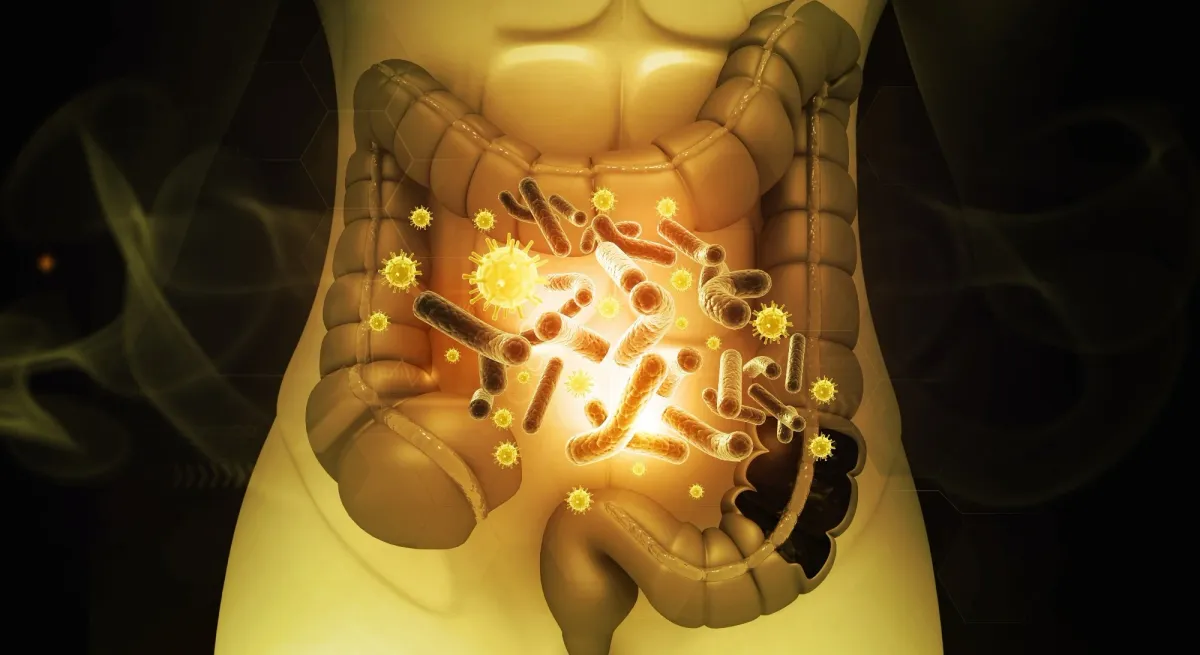
Gut Microbiome and Aging: How Gut Bacteria Influence Health and Longevity - News-Medical
IntroductionHow does the gut microbiome change as we age? The link between gut microbiome changes and inflammationGut microbiome and age-related health conditionsCan the gut microbiome be targeted to promote longevity? From microbial shifts in later life to the distinctive gut communities of centenarians, researchers are investigating what the intestinal microbes reveal about how people age.

GLP-1 Drugs and Obstructive Sleep Apnea: How Weight Loss Medications Improve Breathing During Sleep - News-Medical
IntroductionClinical trial evidenceFDA approval and regulatory developmentsCardiometabolic and secondary benefitsFuture directionsReferences What can treatments targeting weight and metabolism offer people with obstructive sleep apnea, and which questions must clinical trials still answer?
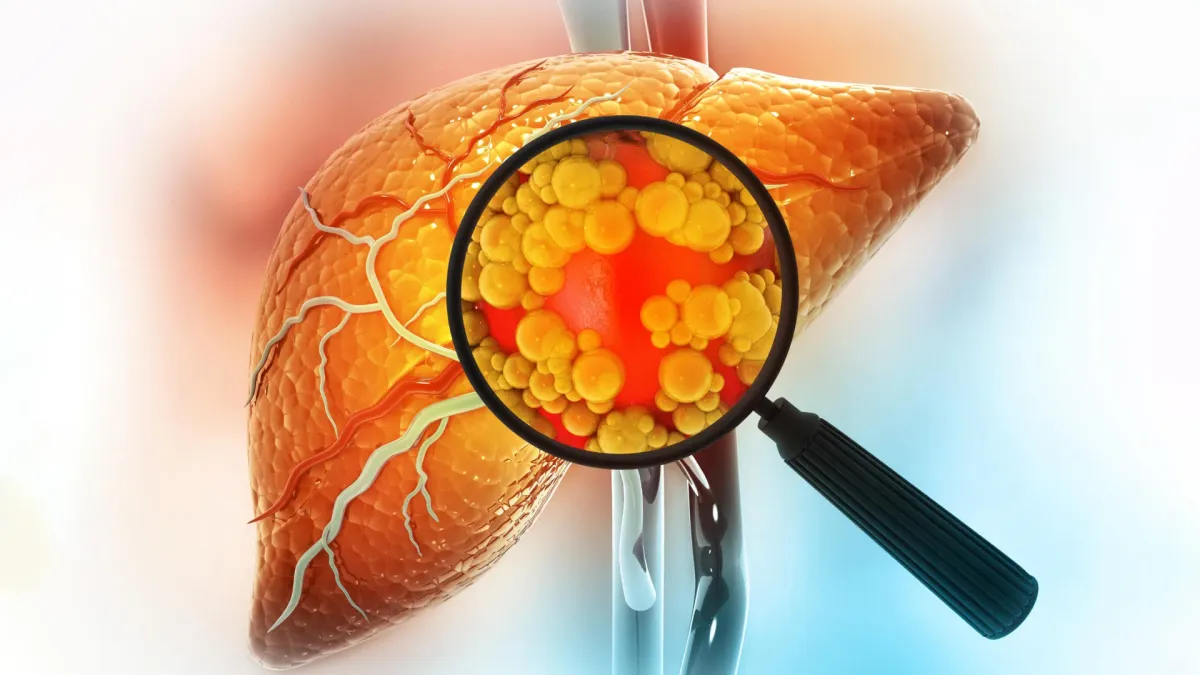
Fatty liver disease is actually five different conditions, scientists discover - Science Daily
A common liver disease affecting nearly 30% of adults worldwide is far more complex than previously understood. Researchers at Mayo Clinic have identified five biologically distinct forms of the condition, each associated with different risks of serious health complications, including heart disease, liver failure, cancer, and the need for a liver transplant. The findings, published in Nature Communications, come from a collaboration between Mayo Clinic and Virginia Tech. Scientists discovered that metabolic dysfunction-associated steatotic liver disease, or MASLD, can develop through several different biological pathways. Some are closely connected to obesity and diabetes, while others appear to be driven by inherited genetic differences.
0 comments
No comments yet. Be the first to share your thoughts!