Nearly 3,000 exploding stars challenge our understanding of the Universe - Science Daily
This story deserves to be shared
Send it to someone who'd care, or post it on your networks.
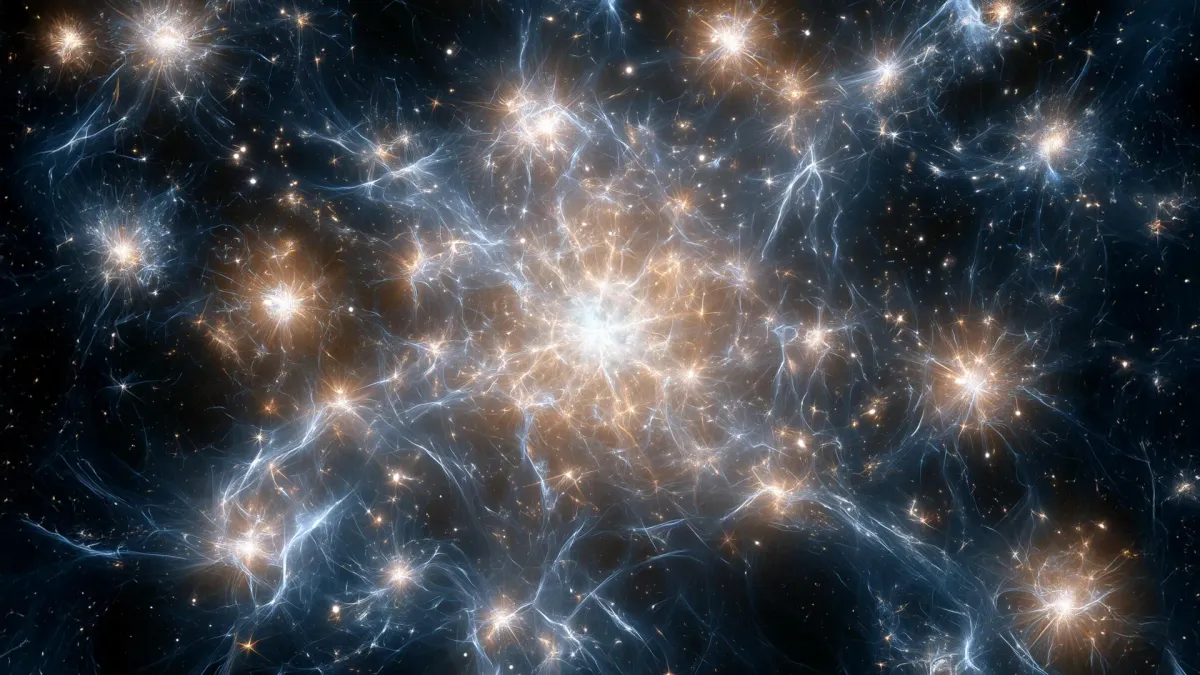
The largest collection of exploding white dwarf stars ever compiled is providing fresh evidence that dark energy, the mysterious force responsible for the Universe’s accelerating expansion, may change over time. The findings challenge a central assumption of modern cosmology and could help scientists better understand how the Universe evolves.
An international research team led by scientists at the University of Queensland’s School of Mathematics and Physics brought together observations of 2,884 Type Ia supernovae. These powerful stellar explosions serve as important tools for measuring distances across the Universe, allowing astronomers to trace its expansion history.
This article is an excerpt. To read the full content, visit the original source. Science Daily
Related articles

Nearly 3,000 exploding stars challenge our understanding of the Universe - Science Daily
The largest collection of exploding white dwarf stars ever compiled is providing fresh evidence that dark energy, the mysterious force responsible for the Universe’s accelerating expansion, may change over time. The findings challenge a central assumption of modern cosmology and could help scientists better understand how the Universe evolves. An international research team led by scientists at the University of Queensland’s School of Mathematics and Physics brought together observations of 2,884 Type Ia supernovae. These powerful stellar explosions serve as important tools for measuring distances across the Universe, allowing astronomers to trace its expansion history.
Sexually Transmitted Diarrhea Is Exploding in The US. And It's Growing Resistant to Medicine - ScienceAlert
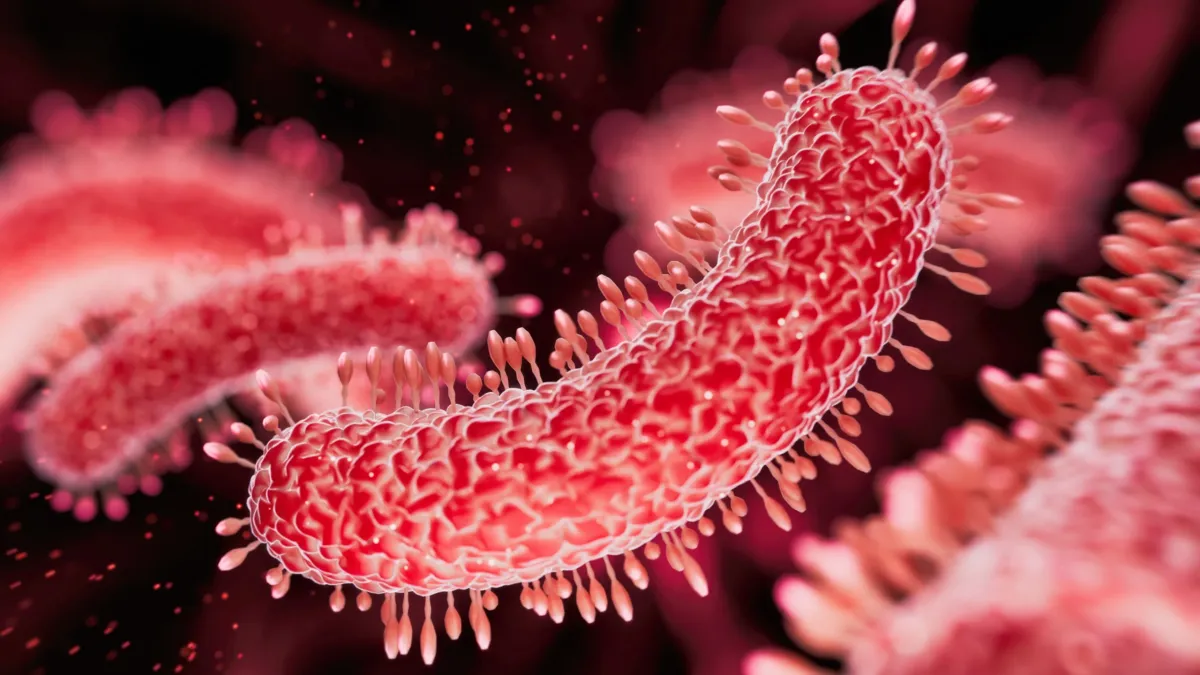
A gut pathogen that causes diarrhea and vomiting is morphing into a dangerous and difficult-to-treat sexually transmitted infection (STI). In the United States, roughly 450,000 people acquire shigellosis each year, which can lead to dysentery. Historically, this highly contagious bug has mostly been spread through contaminated food or water during travel, and among young children in day care. But since the turn of the century or so, Shigella bacteria have emerged as a sexually transmitted infection as well. Shigella infections can make anyone sick, but they are now considered 'endemic' in some communities of gay, bisexual and other men who have sex with men (GBMSM). Several of the strains transmitted in these communities have grown resistant to multiple antibiotics. Some are now superbugs, on the brink of becoming untreatable. A recent analysis from the US CDC found that among nearly 17,000 Shigella isolates, versions that were extensively drug-resistant (XDR) rose from 2011 to 2023. In 2011, isolates that were resistant to five commonly used antibiotics made up 0 percent of the samples. By 2023, they made up 8.5 percent.

Does tapping on a soda can really stop it from exploding? - Live Science
Many people tap their soda cans to prevent them from fizzing over, but does this technique actually work?
0 comments
No comments yet. Be the first to share your thoughts!