NASA’s Webb Reveals Dynamic Panorama of Star Formation - NASA Science (.gov)
This story deserves to be shared
Send it to someone who'd care, or post it on your networks.
This article is an excerpt. To read the full content, visit the original source. NASA Science (.gov)
Related articles
Hugo Duminil-Copin at L'X: Mathematics as a Dynamic Science - www.polytechnique.edu
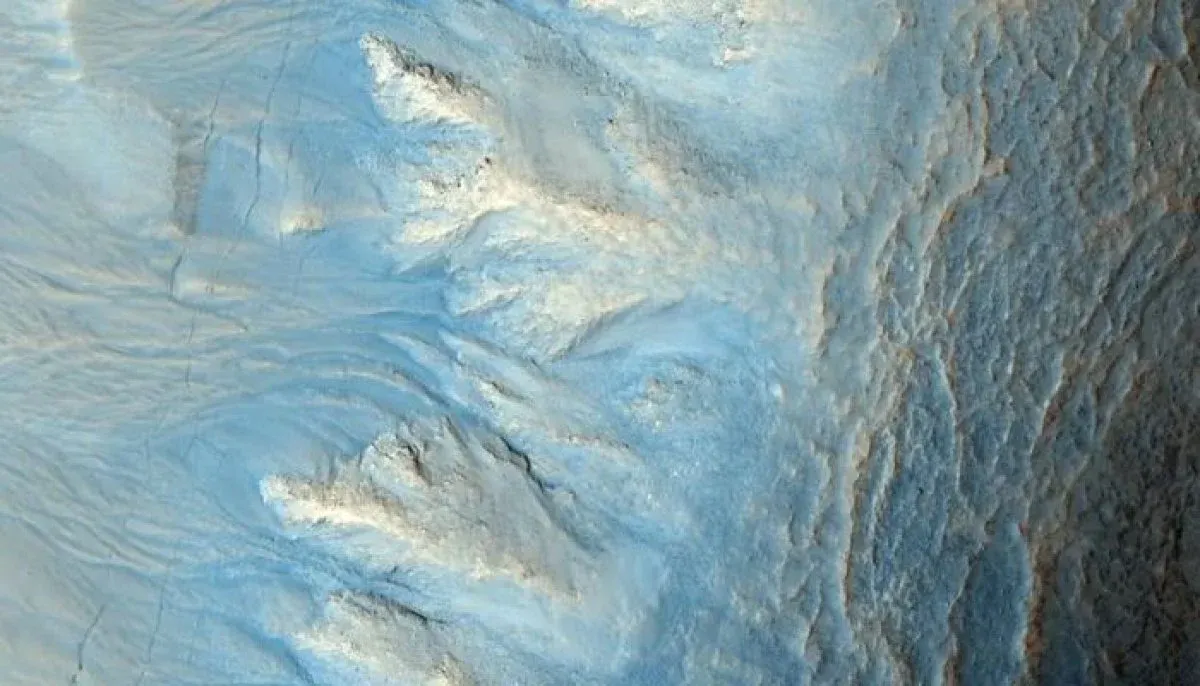
Why Mars looks blue in NASA’s unedited curiosity panorama? - The News International
Why Mars looks blue in NASA’s unedited curiosity panorama? Stand beside Curiosity at dawn, and you wouldn't see a red planet or a blue one. You'd see murky light-tan cliffs and almost no colour in the shadows. That makes NASA's new blue Mars panorama a bit of a trick, though not the kind you might suspect. Curiosity captured the scene on August 11 around 8:30 a.m. local Mars time. Its Mastcam took six images, which were stitched together after being sent to Earth. Unlike most Mastcam images, this one skipped the usual white balancing. NASA called that "an artistic choice" that preserves the early morning appearance. It shows wind-carved cliffs called yardangs on Mount Sharp. Martian dust tints everything the sun touches, so mission teams usually correct for it. The goal is to make rocks look as they would in Earth sunlight. Mike Malin, principal investigator for Curiosity's Mastcam, says the dust also hangs in the air, so the light has a colour like the sky near a forest fire. Correcting for it gives geologists a stable reference, says Mark Lemmon of Perseverance's Mastcam-Z team. Without it, everything takes on one dusty cast.
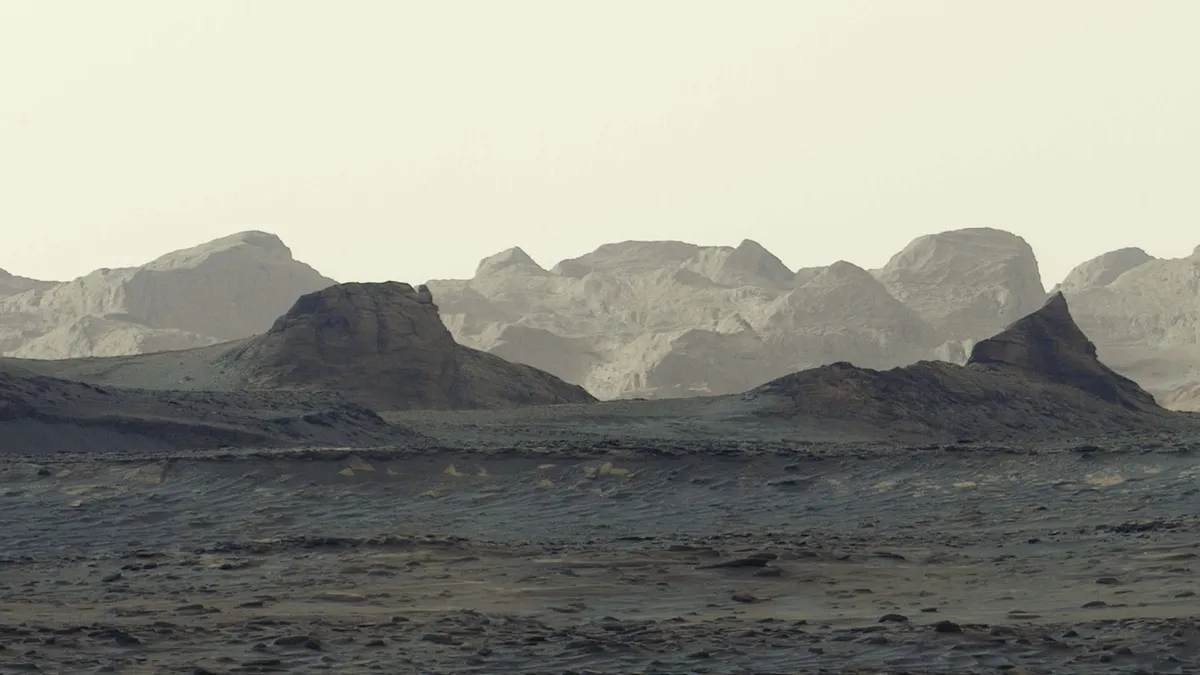
Curiosity rover camera reveals “most detailed view yet” of distant Martian cliffs with fantastic sunrise panorama - Digital Camera World
NASA's rover beamed back a series of shots depicting wind-carved crags on Mars illuminated by golden dawn light, which the space agency made into a panorama

Simulations explore nuclear mitigation of asteroid threats - Phys.org
Lawrence Livermore National Laboratory researcher Isaiah Santistevan led the development of three-dimensional simulations exploring how a nuclear device could deflect or disrupt an asteroid threatening Earth. Credit: Blaise Douros/LLNL Lawrence Livermore National Laboratory (LLNL) researchers are developing three-dimensional simulations to examine how a nuclear device could be used to deflect or potentially disrupt an asteroid threatening Earth.
0 comments
No comments yet. Be the first to share your thoughts!