NASA’s Parker Solar Probe Snaps Closest-Ever Images to Sun - NASA Science (.gov)
This story deserves to be shared
Send it to someone who'd care, or post it on your networks.
This article is an excerpt. To read the full content, visit the original source. NASA Science (.gov)
Related articles
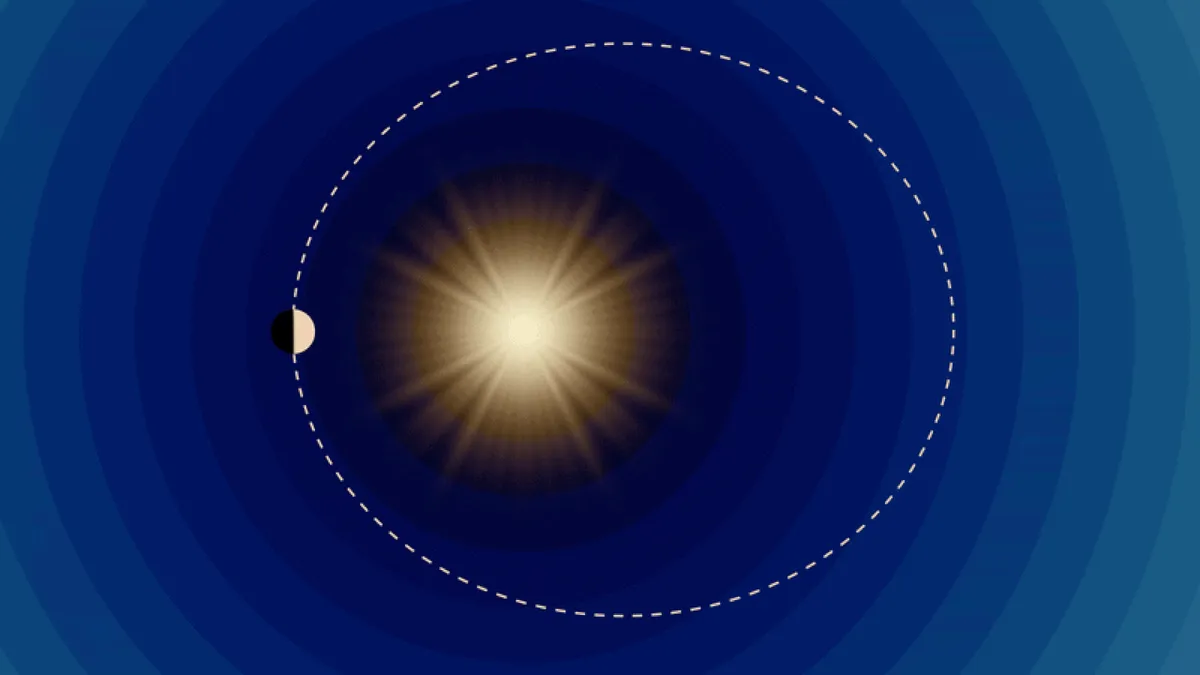
What is the closest any object has gotten to the sun? - Live Science
Approaching the sun is a perilous process, but many objects have successfully pulled off this feat.
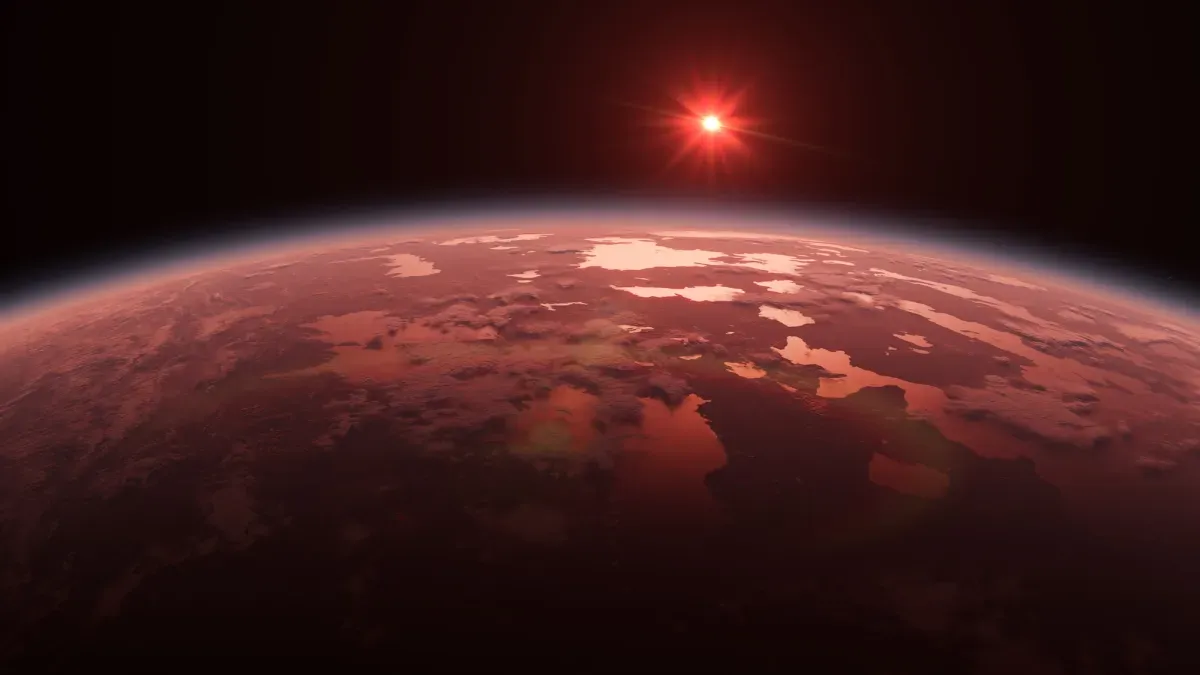
Earth’s closest alien life probably isn’t very advanced, says new study - Popular Science
Many exoplanets orbit older red dwarf stars, which are dimmer and cooler than our sun. The sheer scale of the universe strongly suggests Earth isn’t its only life-hosting planet. But do distant worlds harbor the types of advanced spacefaring civilizations depicted in science fiction, or just far simpler microbes?

James Webb telescope just spotted the oldest, closest pair of black holes in the early universe - Live Science
The dual black hole system, dubbed LID-1166, is the first close-separation pair of its kind confirmed this early in the universe. The discovery could help to explain how the earliest black holes grew so large, so fast.
Shared meiosis proteins show surprising functional differences across animals - News-Medical
Every egg cell and sperm cell depends on meiosis, a tightly choreographed process in which chromosomes find their partners, exchange genetic material, and then divide. When meiosis goes awry in humans, the consequences can include infertility, miscarriage, and birth defects. A new study from the Stowers Institute for Medical Research, published in Science Advances, shows that the molecular machinery guiding this process is more widely shared across animals than expected, and more flexible. The surprise was that familiar-looking parts were not always doing the same jobs, revealing an unexpected flexibility in how meiosis works across evolution.
0 comments
No comments yet. Be the first to share your thoughts!