NASA’s Hubble Identifies One of Darkest Known Galaxies - NASA Science (.gov)
This story deserves to be shared
Send it to someone who'd care, or post it on your networks.
This article is an excerpt. To read the full content, visit the original source. NASA Science (.gov)
Related articles
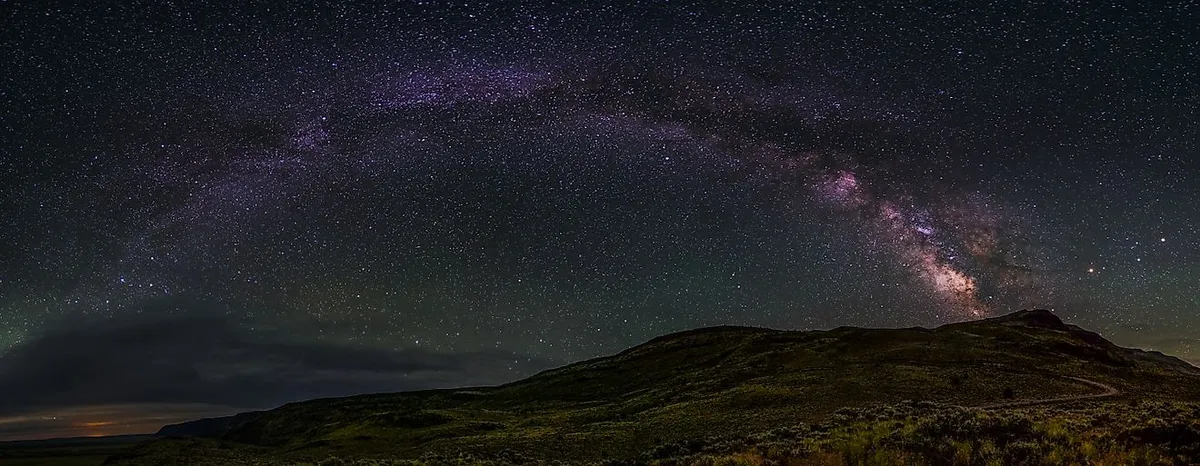
The American Mountains With The Darkest Night Skies - WorldAtlas
More than 99% of the US population lives under light-polluted skies, according to a 2016 study published in Science Advances. With streetlights, brightly lit parking lots, arenas, and passing headlights brightening the night, it can be easy to forget how dark the sky actually is and how many stars appear when you get away from populated areas. Seeing that many stars for the first time can make you pause and remember where you truly are. You are on a rock spinning through space, surrounded by a universe filled with stars, planets, and galaxies larger than anything you can imagine. A remote mountain excursion can combine a dark sky encounter with a day of hiking and sightseeing. After sunset, bright stars emerge above the slopes and ridgelines. These American mountains lie within officially designated dark sky locations that protect natural darkness and the views of the universe it reveals. In northeastern New Mexico, Capulin Volcano sits among volcanic cones, mesas, and buttes in one of the darker areas of the lower 48 states. These landforms help shield the night sky from distant lights, while the rugged terrain has discouraged development in the area.
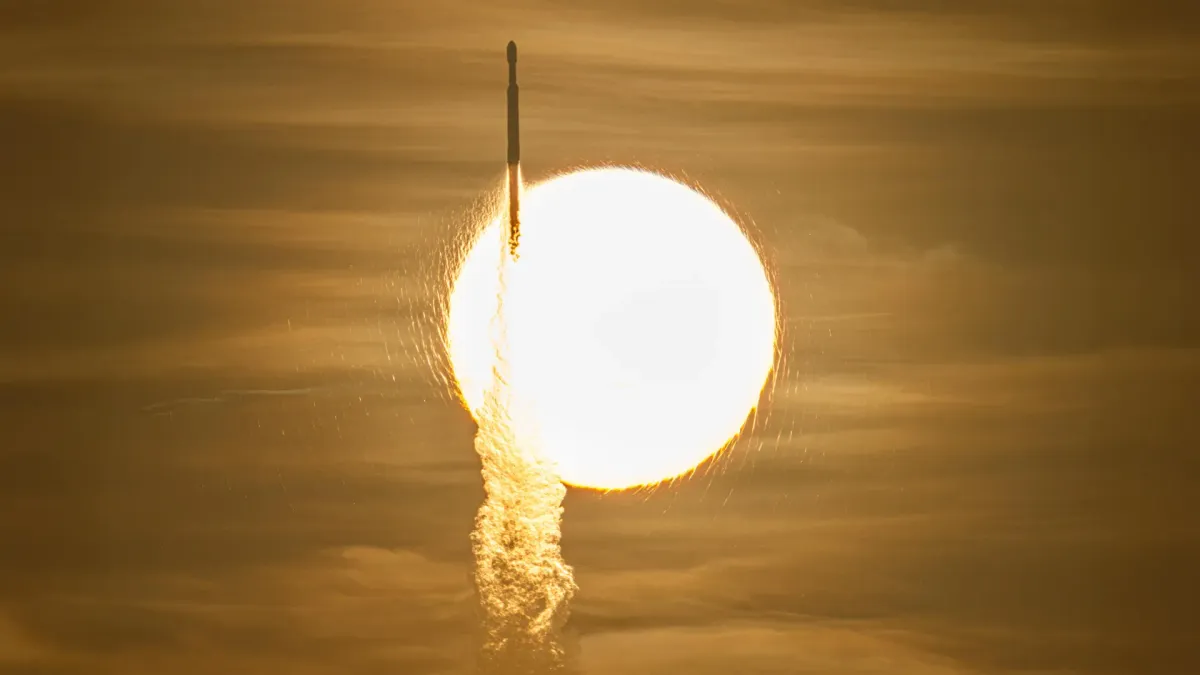
NASA’s Roman Space Telescope launches to reveal the Universe’s darkest secrets - Science Daily
NASA's Nancy Grace Roman Space Telescope has begun a three-month journey covering roughly one million miles as it travels toward its final orbit. The observatory lifted off at 7:26 a.m. EDT Sunday aboard a SpaceX Falcon Heavy rocket from Launch Complex 39A at NASA's Kennedy Space Center in Florida. Once operational, Roman will combine sharp infrared vision with an unusually wide view of the sky. That combination will allow astronomers to examine enormous regions of space while also looking far back into cosmic history. Among its primary goals are studying dark matter, dark energy, and worlds outside of our solar system, known as exoplanets. Its sweeping observations are also expected to support many discoveries beyond those central objectives.
0 comments
No comments yet. Be the first to share your thoughts!