Muenster kids dig into dinosaurs, fossils and prehistoric science - DiscoverHumboldt
This story deserves to be shared
Send it to someone who'd care, or post it on your networks.
This article is an excerpt. To read the full content, visit the original source. DiscoverHumboldt
Related articles

Gigantic prehistoric snake discovered in India may have been one of the largest ever - Science Daily
A colossal prehistoric snake that lived in India about 47 million years ago may have been one of the largest snakes ever to exist. Known as Vasuki indicus, the ancient reptile could have reached an extraordinary 15.2 meters (50 feet) in length, putting it in the same league as Titanoboa, the enormous extinct snake long regarded as the largest ever discovered. The remarkable discovery, described in 2024 in the journal Scientific Reports, came from fossils unearthed in Gujarat, western India. Researchers estimate that Vasuki measured between 10.9 and 15.2 meters (36 and 50 feet) long, although its exact size remains uncertain. Its enormous body and unusual evolutionary history offer a glimpse into a time when giant snakes inhabited the warm, tropical landscapes of ancient India.
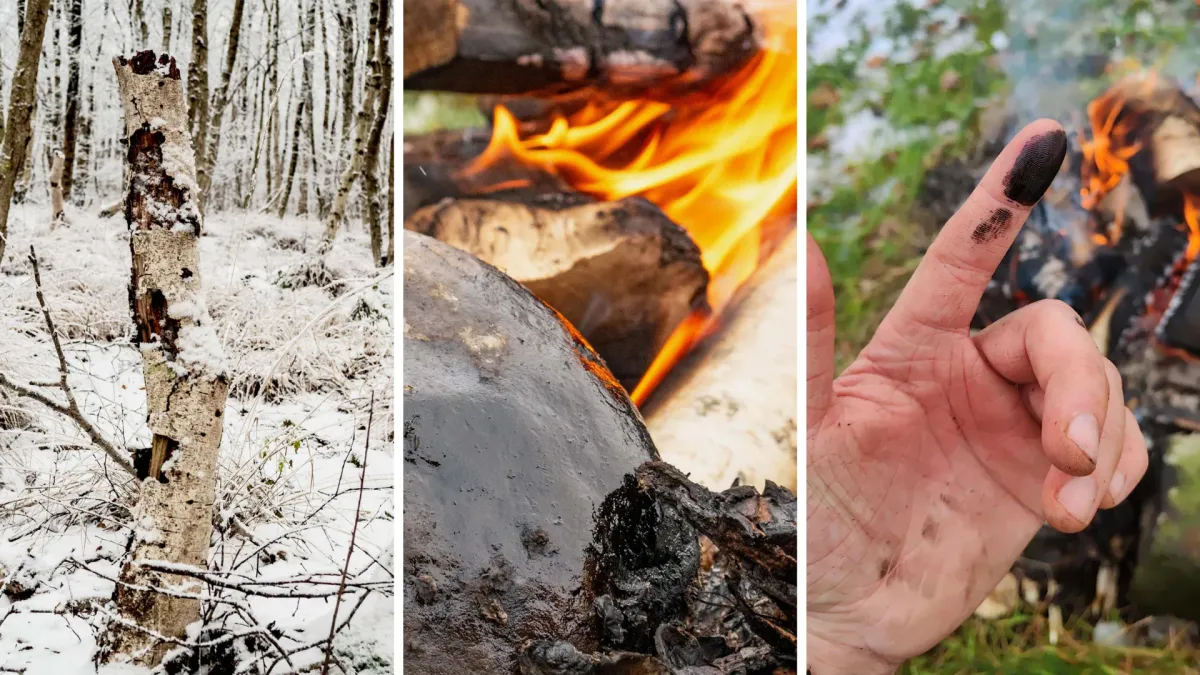
Neanderthals may have used prehistoric glue as an ancient antibiotic - Science Daily
Neanderthals may have used a sticky substance made from tree bark not only to construct tools but also to treat wounds and fight bacterial infections. Scientists have discovered that birch tar, a material commonly associated with prehistoric toolmaking, has antibacterial properties that could have made it useful as an ancient form of medicine. The findings come from a study conducted by researchers at the University of Cologne, the University of Oxford, the University of Liège, and Cape Breton University in Canada. By recreating techniques believed to have been used by Neanderthals, the team produced birch tar and tested its ability to inhibit harmful bacteria.
Prehistoric property: Gus the T. Rex and the commodification of science - EurekAlert! Science News Releases
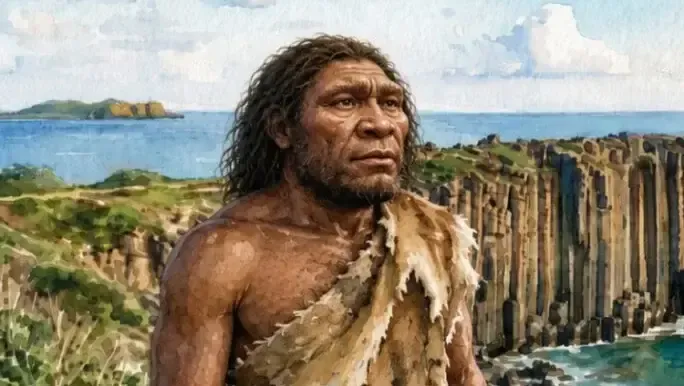
Ancient fossils and tools offer first glimpse into Denisovan daily life - Ynetnews
New research reveals Denisovan fossils in southwestern China alongside stone tools and animal bones, offering the first glimpse into how these mysterious ancient humans lived, hunted and used their environmentDr. Yonat Eshchar, Davidson Institute of Science Education|In 2019, a reforestation project was underway in southwestern China, aimed at restoring an area where trees had been cut down. During the work, one of the workers came across an abandoned quarry and discovered a "suspiciously large number" of animal bones. He alerted the authorities, and researchers who arrived to investigate discovered a cave containing more than 60,000 fossils and fossil fragments. Most of the finds were animal bones, as the worker had suspected, but among them were stone tools and human bones. GalleryDenisovan holding a stone tool (Illustration: Liat Peli, using ChatGPT)The layers containing the human bones were dated to approximately 134,000 to 167,000 years ago, but it was unclear which human species they belonged to. At the time, several different human populations lived in East Asia, including Neanderthals, Denisovans and the earlier Homo erectus.

Animal life may be far older than its most ancient fossils – here’s how we uncovered its hidden history - Tolerance.ca
By Ross Anderson, Associate Professor of Natural History, University of OxfordOrin Lole Durbin, PhD Student, Geosciences, Virginia Tech The question of when animals first evolved is one that has confounded scientists since the time of Charles Darwin. Studying rocks in north Wales in the mid-18th century, Darwin found the sudden first appearance of animal shells and skeletons in layers dating back over 500 million years perplexing. He had predicted a long history of evolution, with animals slowly gaining complexity through time, rather than this apparent instantaneous appearance of complex animals. The sudden appearance of complex animals has led scientists to argue that animals must have a “hidden history”, a period… Read complete article© The Conversation
0 comments
No comments yet. Be the first to share your thoughts!