Prehistoric property: Gus the T. Rex and the commodification of science - EurekAlert! Science News Releases
This story deserves to be shared
Send it to someone who'd care, or post it on your networks.
This article is an excerpt. To read the full content, visit the original source. EurekAlert! Science News Releases
Related articles
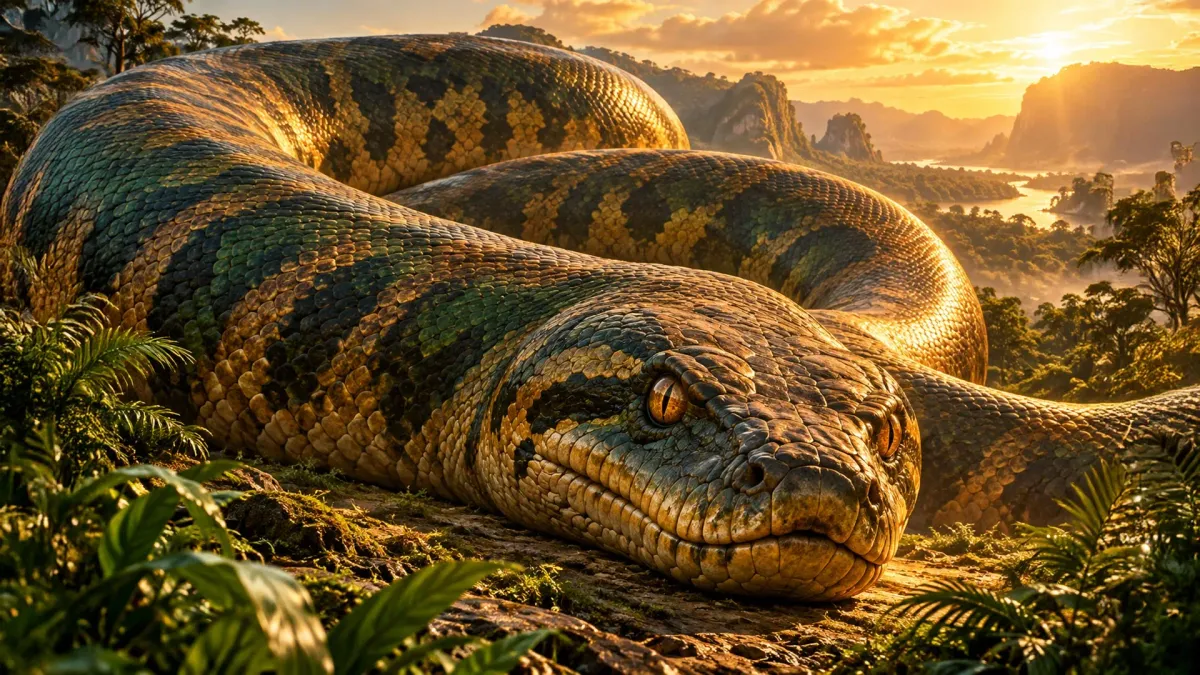
Gigantic prehistoric snake discovered in India may have been one of the largest ever - Science Daily
A colossal prehistoric snake that lived in India about 47 million years ago may have been one of the largest snakes ever to exist. Known as Vasuki indicus, the ancient reptile could have reached an extraordinary 15.2 meters (50 feet) in length, putting it in the same league as Titanoboa, the enormous extinct snake long regarded as the largest ever discovered. The remarkable discovery, described in 2024 in the journal Scientific Reports, came from fossils unearthed in Gujarat, western India. Researchers estimate that Vasuki measured between 10.9 and 15.2 meters (36 and 50 feet) long, although its exact size remains uncertain. Its enormous body and unusual evolutionary history offer a glimpse into a time when giant snakes inhabited the warm, tropical landscapes of ancient India.

Neanderthals may have used prehistoric glue as an ancient antibiotic - Science Daily
Neanderthals may have used a sticky substance made from tree bark not only to construct tools but also to treat wounds and fight bacterial infections. Scientists have discovered that birch tar, a material commonly associated with prehistoric toolmaking, has antibacterial properties that could have made it useful as an ancient form of medicine. The findings come from a study conducted by researchers at the University of Cologne, the University of Oxford, the University of Liège, and Cape Breton University in Canada. By recreating techniques believed to have been used by Neanderthals, the team produced birch tar and tested its ability to inhibit harmful bacteria.
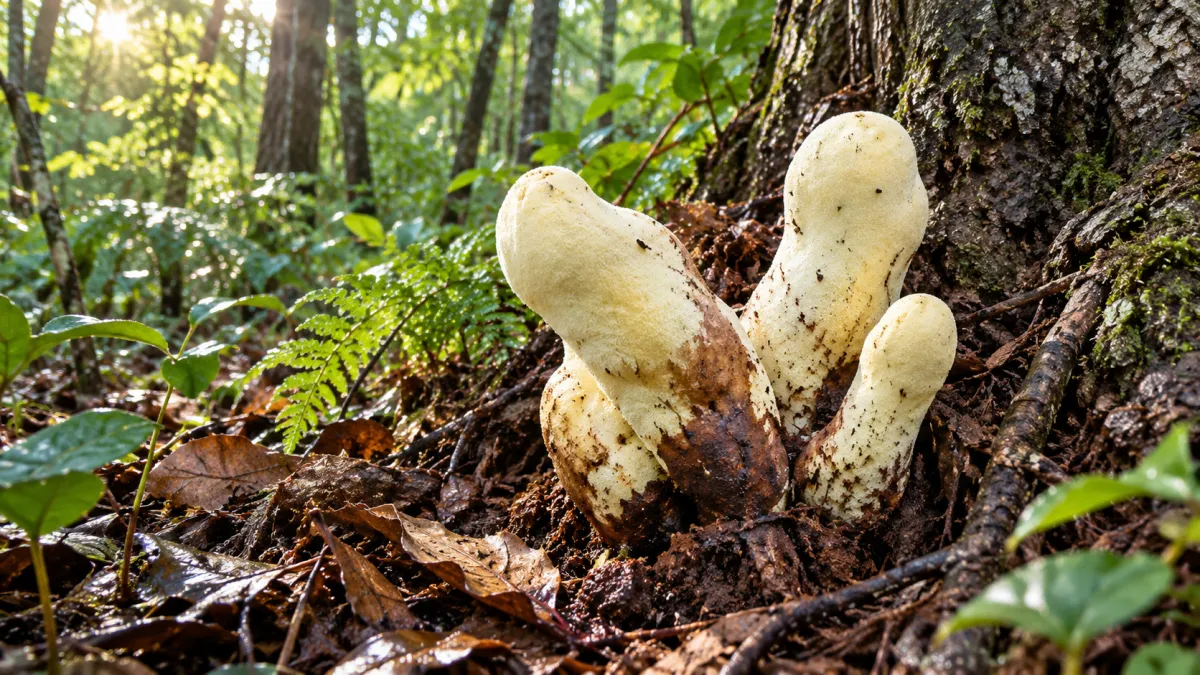
Scientists discover ‘D-Rex,’ a giant fungus with a 65-million-year evolutionary history - The Brighter Side of News
A newly described fungus from Yunnan produces upright structures measuring up to 50 centimeters in total height. DNA and microscopic evidence support a new species, genus and family within the fungal order Xylariales. Its estimated lineage age overlaps the dinosaur extinction, but a connection between that event and its evolution remains hypothetical. Pale, fingerlike structures rising from tree roots in southwestern China have revealed an unexpected giant among fungi. Named Dianjunus rex, the newly described species produces fleshy reproductive structures reaching 50 centimeters in total height. The largest reported specimen weighed 2.2 kilograms, roughly 4.9 pounds. Its size was only the beginning of the surprise. Genetic comparisons and microscopic examinations placed the fungus on a distinct evolutionary branch, supporting a new genus and family. The findings appeared in Frontiers in Fungal Biology. The team included scientists from the Kunming Institute of Botany, Chinese Academy of Sciences, and collaborating institutions. Corresponding author Indunil C. Senanayake works at the institute’s Germplasm Bank of Wild Species.
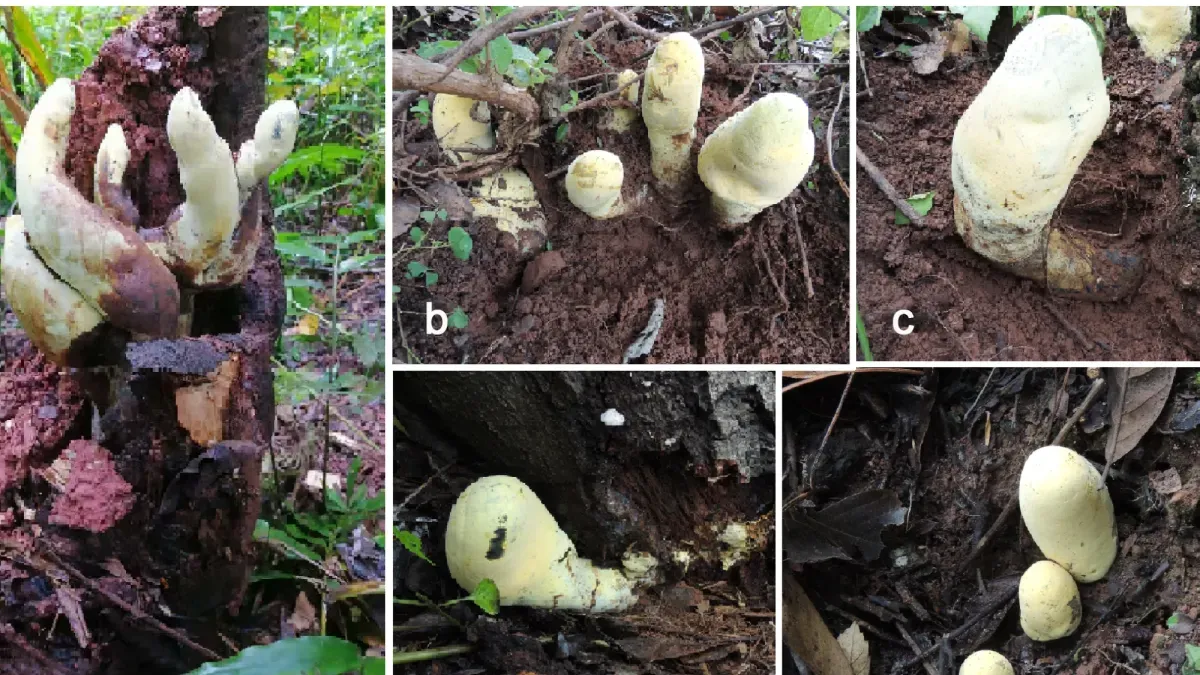
When ‘T. rex’ died, a new giant fungus named ‘D-rex’ took over - Popular Science
Image: Song et. al ‘Frontiers in Fungal Biology,’ 2026 It’s a fungi-filled world and we are just living in it. There are roughly 150,000 to 157,000 known species of fungi, and now there is a new giant species to add to that tally.
0 comments
No comments yet. Be the first to share your thoughts!