Modulation of EMT-related gene expression in colorectal cancer by carvacrol-conjugated ZnO nanoparticles: an integrated in silico and in vitro study - Nature
This story deserves to be shared
Send it to someone who'd care, or post it on your networks.
We’re sharing this article early to provide faster access to peer-reviewed, accepted research. It is citable and carries a permanent DOI. This version is subject to further edits and will be replaced automatically by the final Version of Record. All legal disclaimers apply.
AbstractEpithelial-to-mesenchymal transition (EMT) is a key driver of colorectal cancer (CRC) progression and metastasis. Identifying pivotal EMT-related genes and novel therapeutic approaches may enhance patient outcomes. In this study, we analyzed EMT-related gene expression in CRC using TCGA data and identified differentially expressed genes via protein-protein interaction networks and centrality analysis. The anticancer effects of ZnO and ZnO@glu-Carvacrol nanoparticle were evaluated in HCT-116 and HT-29 cells using MTT assays, gene expression profiling of proliferation and apoptosis markers, colony formation, and scratch wound-healing assays. Among 200 EMT-related genes, 75 were upregulated and 69 downregulated in CRC. Seventeen hub genes were identified, with SERPINE1 and BGN showing the strongest association with poor patient survival in exploratory survival analyses.
This article is an excerpt. To read the full content, visit the original source. Nature
Related articles
Characterization and efficacy of green-synthesized silver nanoparticles against Puccinia species - in vitro - Nature
We’re sharing this article early to provide faster access to peer-reviewed, accepted research. It is citable and carries a permanent DOI. This version is subject to further edits and will be replaced automatically by the final Version of Record. All legal disclaimers apply. AbstractPuccinia species cause substantial losses in wheat production and productivity across the globe, creating a serious challenge to food security. The environmental and health risks associated with conventional fungicides necessitate sustainable alternatives. The present study examines the eco-friendly synthesis of silver nanoparticles (AgNPs) employing Eucalyptus globulus leaf extract through a biological reduction approach and evaluates antifungal efficacy against wheat rust pathogens. GC-MS identified bioactive compounds in the phytoextract, primarily alkaloids and flavonoids. UV-visible spectroscopy confirmed AgNPs formation. Fourier transform infrared spectroscopy, Scanning electron microscopy, X-ray diffraction, dynamic light scattering, and zeta potential analysis established their functional groups, surface morphology and size (22–50 nm), crystalline nature, and colloidal stability.
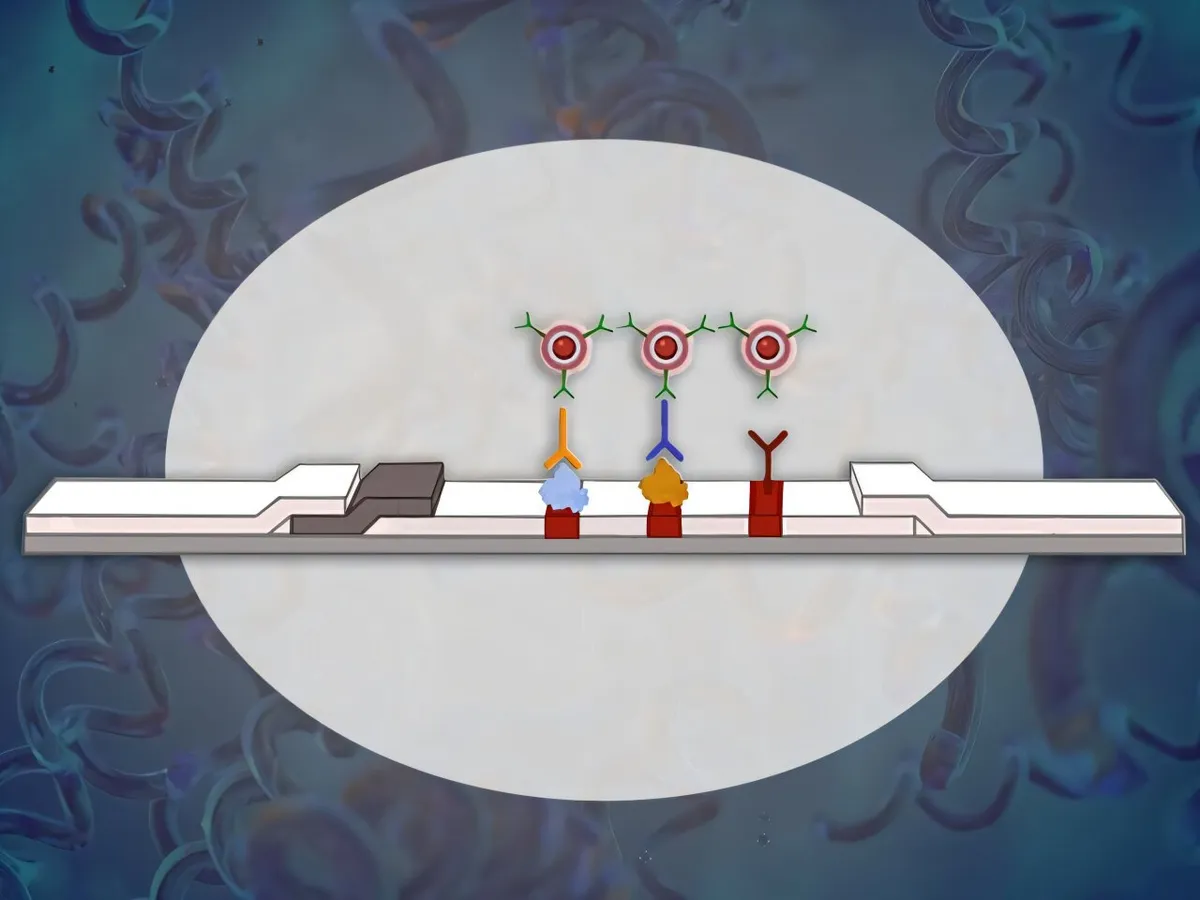
One-step rapid syphilis test uses layered nanoparticles to detect infection earlier - Phys.org
A new pilot rapid test for syphilis from a team led by Penn State researchers integrates two blood tests into one and detects antibodies at very low levels to potentially detect the disease in its earliest stages. Credit: Pan Research Group / Penn State Penicillin has cured syphilis cases since 1943, but symptoms of the sexually transmitted infection, known as "the great imitator," mimic many other diseases and can come and go without treatment while the infection keeps causing harm. If it remains undetected, it can spread to partners and to babies during pregnancy, causing lifelong effects.
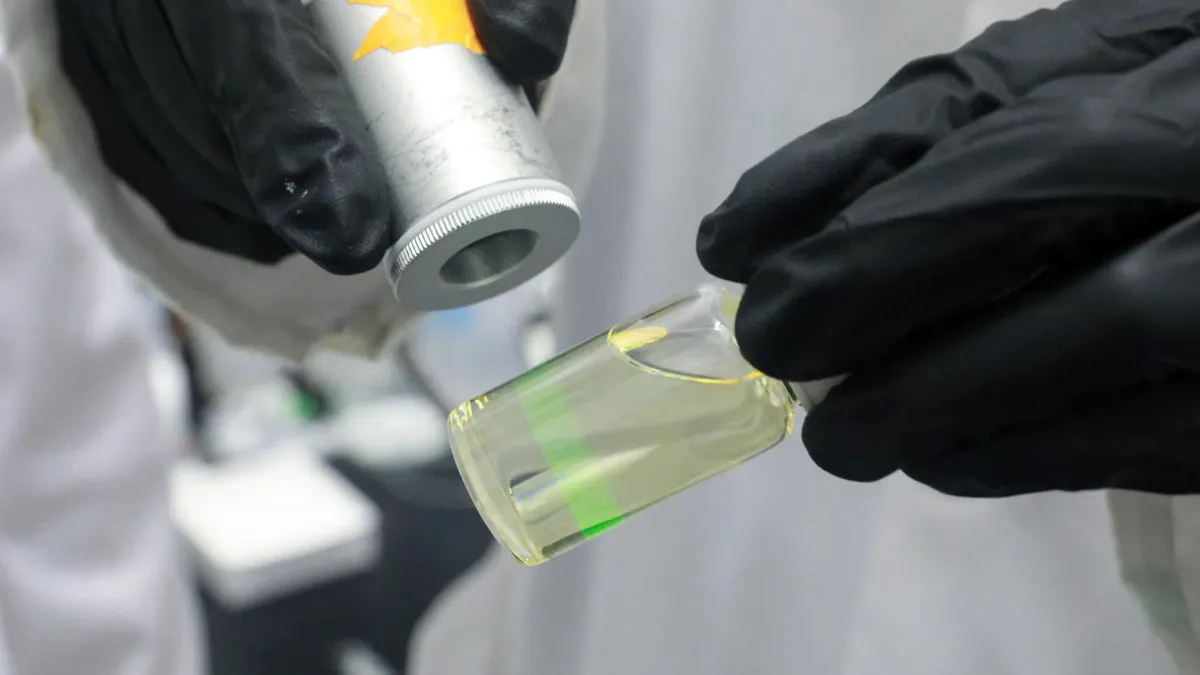
New nanoparticles make hidden chemical differences light up - Science Daily
Engineers at the University of Toronto have developed a new type of dye-sensitized nanoparticle that can detect chemicals at extremely low concentrations while also telling apart molecules that are nearly identical in shape. The tiny particles produce a light signal after attaching to the chemical they are designed to detect. They absorb low-energy photons and convert that energy into higher-energy photons, creating a bright optical signal that researchers can measure.
0 comments
No comments yet. Be the first to share your thoughts!