MedSafer triples success in reducing inappropriate medications, study shows - McGill University Health Centre
This story deserves to be shared
Send it to someone who'd care, or post it on your networks.
This article is an excerpt. To read the full content, visit the original source. McGill University Health Centre
Related articles

Reducing Pediatric Mental Health Boarding and Inappropriate Extended Hospital Stays - Children's Hospital Association
Children experiencing a mental health crisis deserve timely access to the right care in the right setting. Yet across the country, many children remain in emergency departments or hospital inpatient units long after they no longer need hospital-level care because appropriate behavioral health services or placements are unavailable. This practice, known as pediatric mental health boarding, can delay treatment, increase stress on families, and strain hospital resources. This white paper outlines a practical state policy framework to reduce pediatric mental health boarding and improve access to care. The report highlights evidence-informed strategies for strengthening behavioral health capacity, improving care coordination, aligning Medicaid policy with children's needs, and increasing accountability across child-serving systems.

Children's brain reward responses may explain ultra-processed food-related weight gain - News-Medical
Children who eat more ultra-processed foods (UPFs) show stronger responses in the brain's reward network when viewing images of appetizing foods-and these brain responses are linked to increases in body fat one year later. The findings, just published in JAMA Network Open, suggest that the brain may become more sensitive to food cues when children consume more UPFs. UPFs are manufactured food products-such as breakfast cereals, packaged bread and instant soups-that are designed to be highly palatable, convenient and shelf-stable. They often contain artificial sweeteners, colors and other ingredients that people do not typically use when cooking at home. On average, U. S. children get about 67% of their daily calories from UPFs.

Gut microbiome differences may explain varied sleep responses to hydrogen supplementation - News-Medical
Hiroshima University researchers investigated the effects of hydrogen supplementation on sleep quality in healthy human volunteers. While hydrogen supplementation had no significant effect compared to a placebo, individuals in the hydrogen-supplementation group reporting better sleep quality were discovered to have a lower abundance of hydrogen producing bacteria in their gut microbiome. A Hiroshima University-led randomized, double-blind clinical trial found that hydrogen supplementation did not significantly improve sleep quality compared to a placebo; however, exploratory analyses suggest that differences in the abundance of hydrogen-producing gut bacteria may be associated with individual differences in sleep-related responses.

Diagnostic test could help doctors refine prostate cancer treatment - Medical Xpress
Prostate cancer is the most common cancer in men—in 2013, it affected more than 1 million men across the world. The cancer does not behave the same way in every patient, and doctors have long faced a difficult balancing act between identifying patients who will benefit from more intensive treatment and those who may do just as well without it. Treating someone more aggressively than necessary is associated with increased side effects and poorer quality of life. At a major cancer conference in Madrid, a team from University College London unveiled the latest findings from their STAMPEDE clinical trial, which has shown that adding the hormone therapy abiraterone to the standard treatment for men with high-risk, localized prostate cancer could halve the risk of death from the disease and slow overall progression.
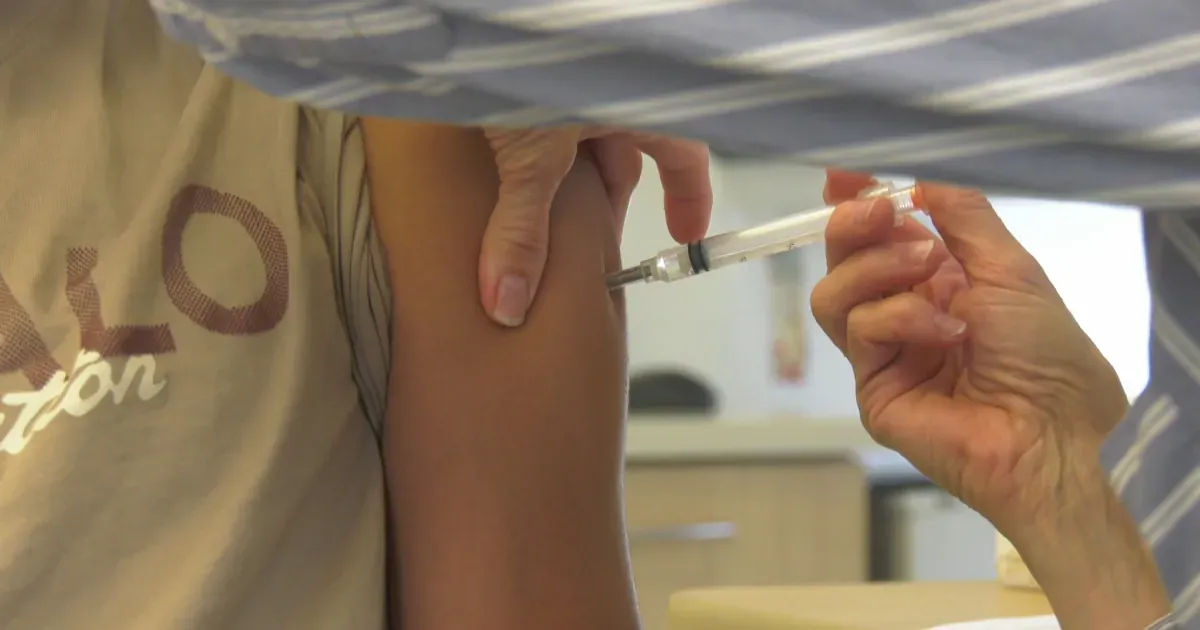
Winnipeggers roll up their sleeves for respiratory virus season - CTV News
AtlanticNova ScotiaNew BrunswickPrince Edward Island Newfoundland and LabradorCalgaryLethbridgeKitchenerGuelphNorthern OntarioSudburyNorth BaySault Ste. MarieTimminsOttawaKingstonBrockvillePembrokeReginaYorktonSaskatoonPrince AlbertTorontoWatchWeatherPeelHamiltonDurhamYorkHaltonNiagaraQueen's ParkToronto City HallIn PicturesVancouverVancouver IslandCanadaLocal SpotlightRoyal FamilyPoliticsNanosPower PlayQuestion PeriodFederal Election 2025WorldMideast ConflictRussia-Ukraine WarWatchLatestCaptured on CameraPoliticsLifestyleConsumerHealthExplainedEntertainmentTechnologyDeception DecodedAutosEnvironmentBusinessInflationReal EstateAutos

New sensors aim to track dust in Ä'äy Chù Valley through the winter - CBC
NorthResearchers are expanding dust monitoring in the Ä'äy Chù Valley as they study fine particles that can exceed air-quality guidelines. A Burwash Landing resident says glacial dust is also a regular presence farther north. Burwash Landing, Yukon, resident says fine glacial dust is a regular presence across the broader Kluane regionViktor Elias · CBC News · Posted: Oct 23, 2026 7:53 PM EDT | Last Updated: 1 hour agoListen to this articleEstimated 4 minutesThe audio version of this article is generated by AI-based technology. Mispronunciations can occur. We are working with our partners to continually review and improve the results. Windblown sediment moves across the Alaska Highway near the Ä'äy Chù (Slims River) Valley in Kluane National Park and Reserve. Researchers are studying how often fine particles in the dust reach potentially unhealthy levels. (Viktor Elias/CBC)Researchers studying dust storms in the Ä'äy Chù, or Slims River, Valley are hoping new sensors will give them a better picture of how often the storms happen — including through the winter.
0 comments
No comments yet. Be the first to share your thoughts!