Lyrid meteor shower 2026: Ideal conditions forecast for peak of display - BBC
This story deserves to be shared
Send it to someone who'd care, or post it on your networks.
This article is an excerpt. To read the full content, visit the original source. BBC
Related articles
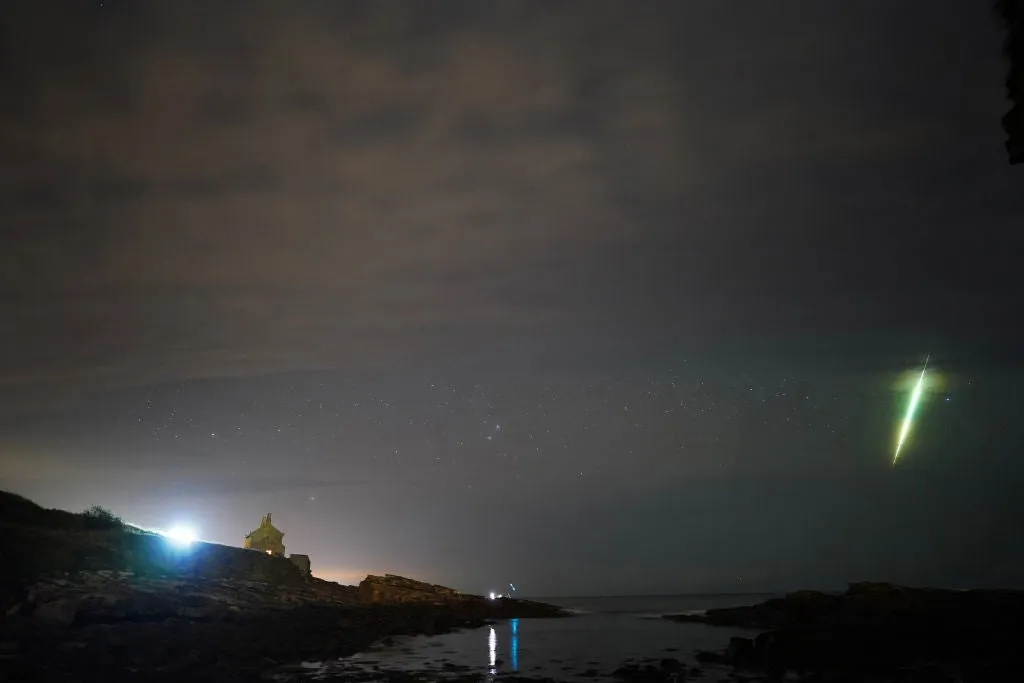
Draconid meteor shower 2026: peak time and viewing guide
iew of a shooting star (Draconid) and northern light near Skekarsbo at the Farnebofjardens national park 150 kilometers north of Stockholm on October 8, 2011(Getty Images)Most meteor showers demand a 2 a.m. wake-up call. The Draconids are breaking that mold. Will the weather allow you to see the meteor shower? When is the meteor shower? This meteor shower peaks Thursday into the early morning hours of Friday, but there is some good news. The "main maximum" peak of the shower happens at 9 p.m. EDT, much earlier than most meteor showers. If you have to pick a time to go out, this is it.(MORE: The best way to watch a meteor shower)It is earlier because the Draconids’ radiant point, near the constellation Draco the Dragon, sits high in the sky during evening hours for Northern Hemisphere viewers, rather than climbing after midnight like most showers do. This is the year to view this meteor shower because the new moon arrives Saturday. This means the sky is moonless, and even faint, fast-fading meteors should be easier to catch. Get More of Our News on GoogleSet The Weather Company as a 'Preferred Source' to get quicker access to the news you value.
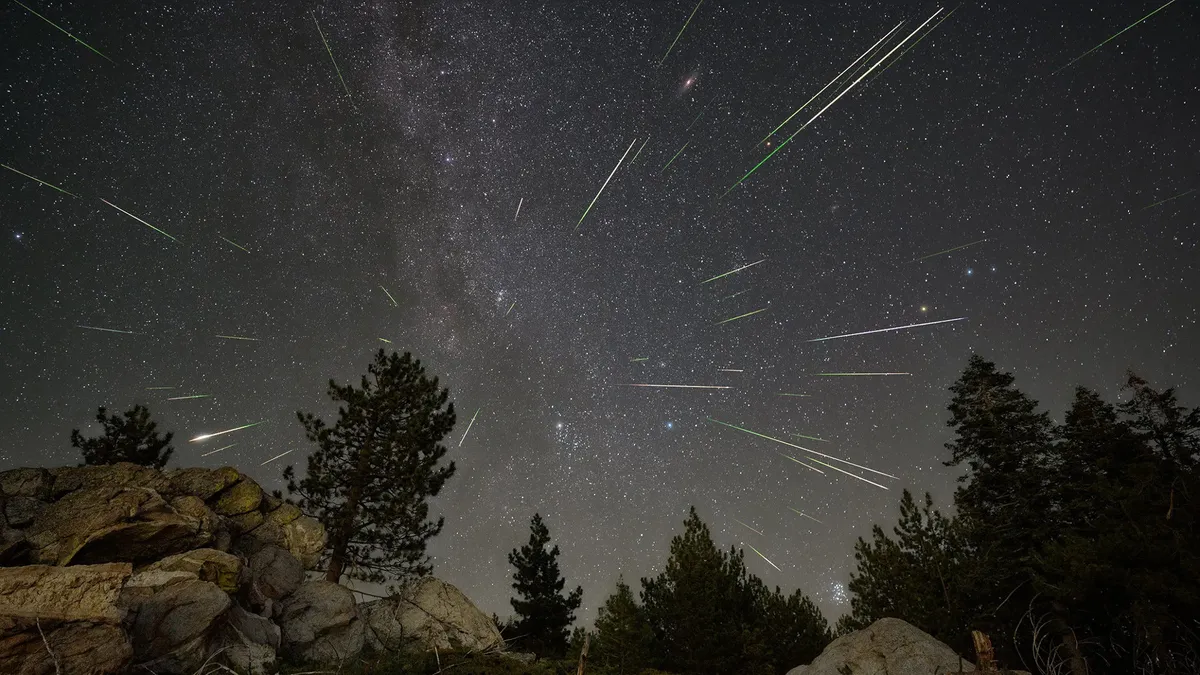
Fall 2026: Meteor shower season is about to begin!
As the nights grow longer and cooler throughout Autumn, it is an excellent time of year for stargazing, and for spotting meteors flashing across the sky almost every night of the season. Here are the astronomical events of Fall 2026:Visit our Complete Guide to Fall 2026 for an in depth look at the Fall Forecast, tips to plan for it and much more! Fall EquinoxOn the night of September 22, at exactly 7:05 p.m. EDT, the Sun will appear directly above the equator, as it transitions from the northern to the southern sky. This moment marks the Autumnal Equinox and the start of astronomical fall for the northern hemisphere. Meanwhile, in the southern hemisphere, it will be the Vernal Equinox and the start of astronomical spring. So, what does it mean for the Sun to appear directly above the equator? Due to the tilt of our planet's axis, for nearly the entire year, the position that's directly under the Sun — known as the 'subsolar point' — is either north or south of the equator. The locations of the subsolar points on the Equinoxes and Solstices for 2026 shows where the Sun's rays shine directly down onto the planet at those dates and times.
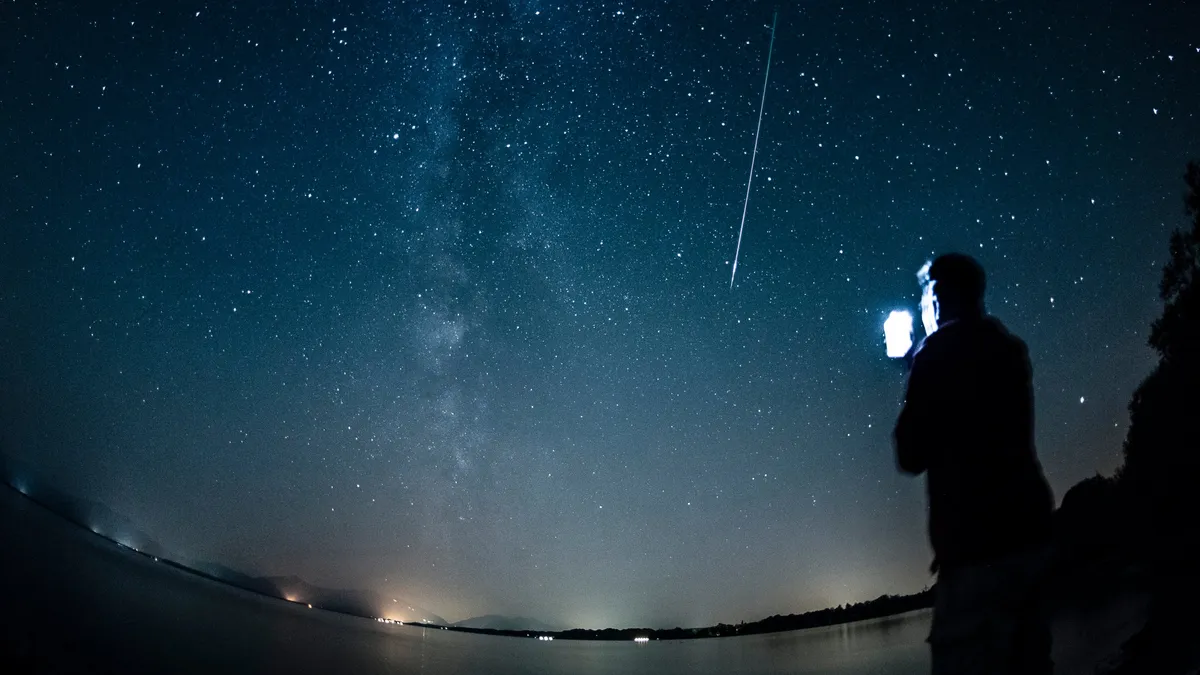
How to capture the Perseid meteor shower on your smartphone
How to shoot the Perseid meteor shower with just your phoneThis year's Perseid meteor shower is supposed to be one of the most stunning in years, and the only thing better than seeing it yourself is capturing the perfect photo so you can see it again for years to come. Think you're out of luck with just a smartphone? You're actually not. Here are some of the best tips and tricks to shoot the Perseids:But first, the when and where... While the meteor shower runs from July 17 to Aug. 24, the peak is Wednesday night (Aug. 12) into the early hours of Thursday (Aug. 13). This coincides with the new moon, which means there will be no moonlight interference for this celestial show.(MORE: One moon, two shows: the strangest sky day of 2026)This brings us to our first tip — get away from the city lights. Get More of Our News on GoogleSet The Weather Company as a 'Preferred Source' to get quicker access to the news you value. Light pollution can make it difficult to both view the meteors with your eyes as well as capture them on your phone.(Lisa Pringle)Tips and tricks for taking picturesBefore you head out, make sure to grab a tripod because having your phone stable is key.
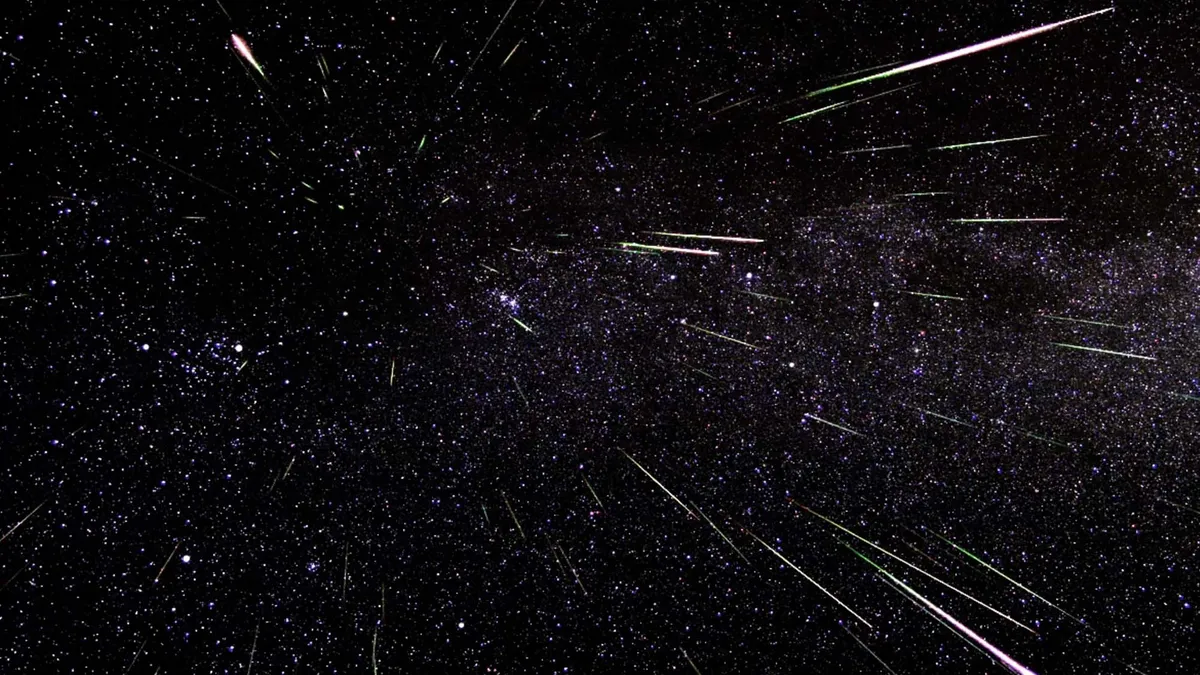
Perseid meteor shower 2026: new moon during peak viewing
(NASA)The 2026 Perseid meteor shower is shaping up to be one of the best celestial displays in years, with peak activity occurring during a new moon that promises completely dark skies for optimal viewing conditions. Here's the best night to watchThe Perseid meteor shower officially runs from July 17 through Aug. 24, but the peak viewing window falls on the night of Aug. 12-13, coinciding precisely with a new moon phase. This rare alignment eliminates all moonlight interference, creating ideal conditions for spotting the shower's characteristic bright, fast-moving meteors. According to NASA, observers under dark skies can expect to see up to 100 meteors per hour during peak activity, with rates building throughout the night and reaching maximum intensity in the pre-dawn hours between 2 a.m. and 6 a.m. local time. The weather connection: atmospheric drama at 3,000 degreesWhen Perseid meteoroids, which are actually tiny debris fragments from Comet Swift-Tuttle, slam into Earth's atmosphere at 37 miles per second, they create a spectacular atmospheric light show.
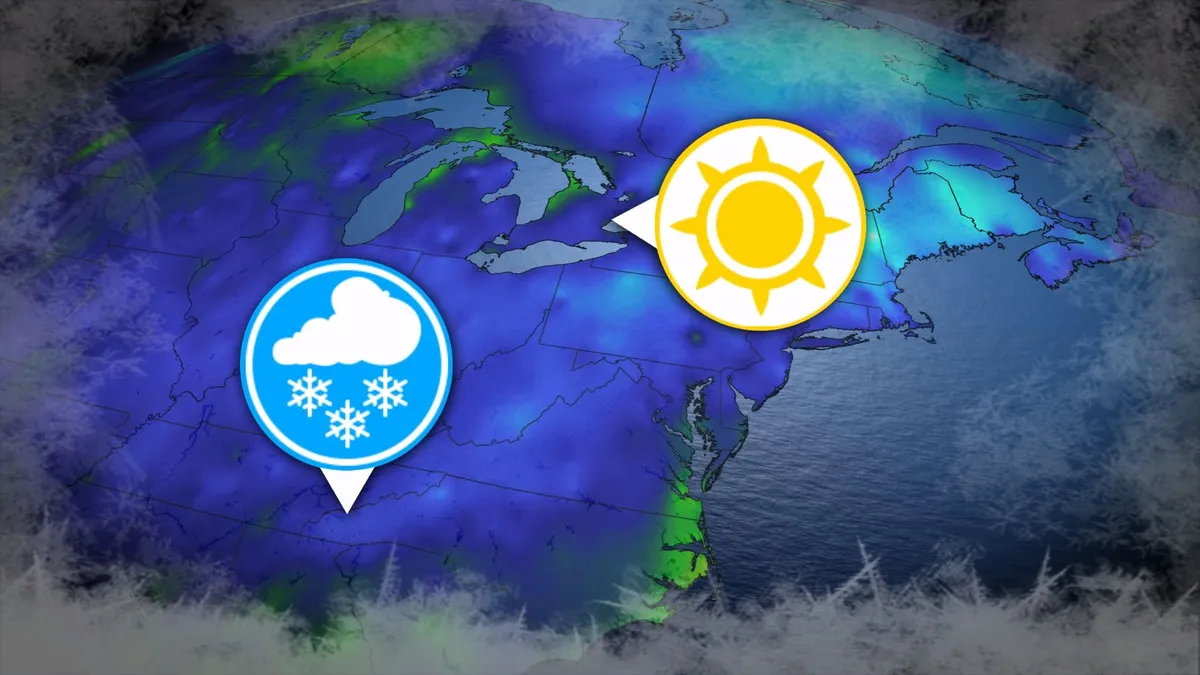
Where’s the frost? Southern U.S. hits freezing before Toronto, Montreal
Toronto and Montreal have remained above the freezing mark every day for almost six months. While frosts and even some snowflakes have intruded across parts of Ontario and Quebec in recent weeks, the two cities have yet to reach that magic number. What’s even more remarkable is that a handful of communities across the southern United States have already dipped to the freezing point--and some have even seen accumulating snowfall. DON’T MISS: Official: Canada records first -30°C reading of the seasonThe last time we saw a freezing temperature in either Toronto or Montreal was the second-to-last week of April. Toronto hit -1.3°C early on April 20, while Montreal dipped to -2.0°C the following morning. Our average first frost in both cities occurs right around the middle of October. But warmer-than-normal years can see this milestone slide several weeks past due. Montreal once had to wait 207 consecutive days for its first frost, with the city’s first subfreezing temperature in 2017 waiting until Nov. 7. The latest Toronto’s had to wait to hit the zero-degree mark was Nov. 13, 2022.
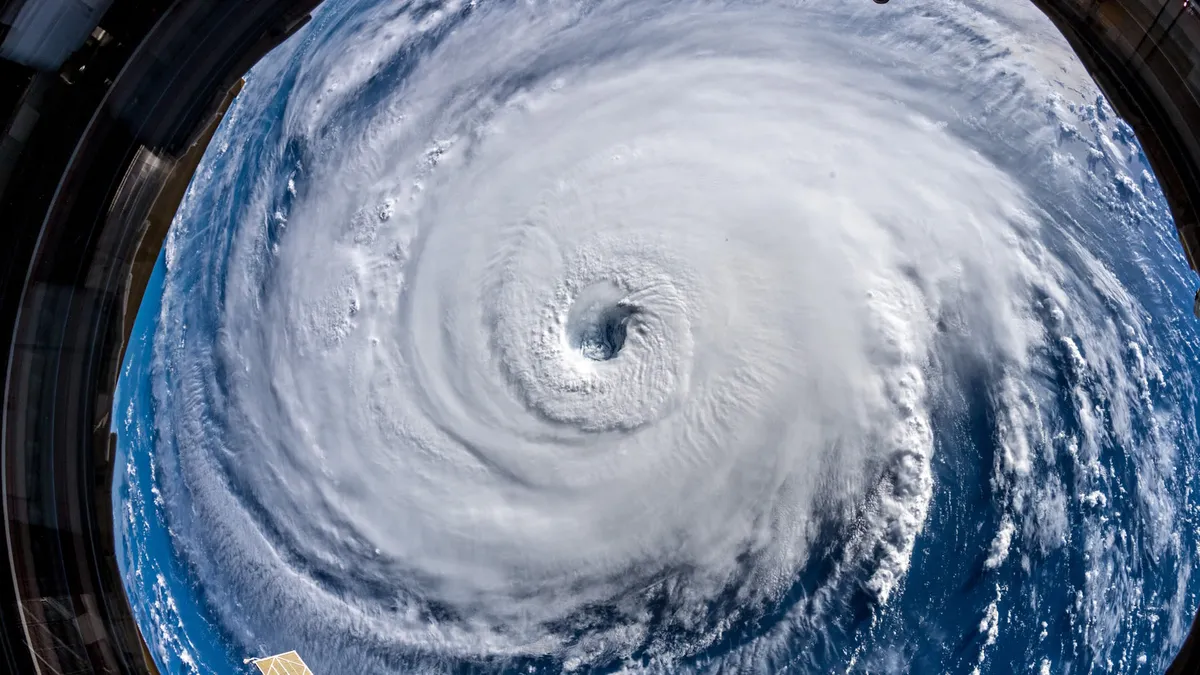
345 km/h: Meet the world’s strongest tropical cyclones
Tropical cyclones top the list of nature’s most powerful storms. Larger than tornadoes and more intense than any single thunderstorm, these systems can change the landscape when they swirl ashore. A handful of tropical cyclones take full advantage of their surroundings to achieve the apex of their potential, the strongest storms nature can produce. DON’T MISS: What’s the difference between hurricanes, typhoons, and cyclones? Tiny fraction of storms achieve upper limitsOnly about 4 per cent of all the world’s recorded tropical cyclones have reached the equivalent of Category 5 strength. Most tropical cyclones are relatively weak and short lived because it’s tough for all the necessary ingredients to align just right. But explosive development can result when all those factors come together in perfect harmony. Strongest Winds: Hurricane PatriciaAn exceptionally favourable setup off the western shores of Mexico in late-Oct. 2015 allowed Hurricane Patricia to grow into the world’s strongest hurricane since reliable observations began in 1966.
0 comments
No comments yet. Be the first to share your thoughts!