Large language model diagnostic assistance for physicians in a lower-middle-income country: a randomized controlled trial - Nature
This story deserves to be shared
Send it to someone who'd care, or post it on your networks.
This article is an excerpt. To read the full content, visit the original source. Nature
Related articles
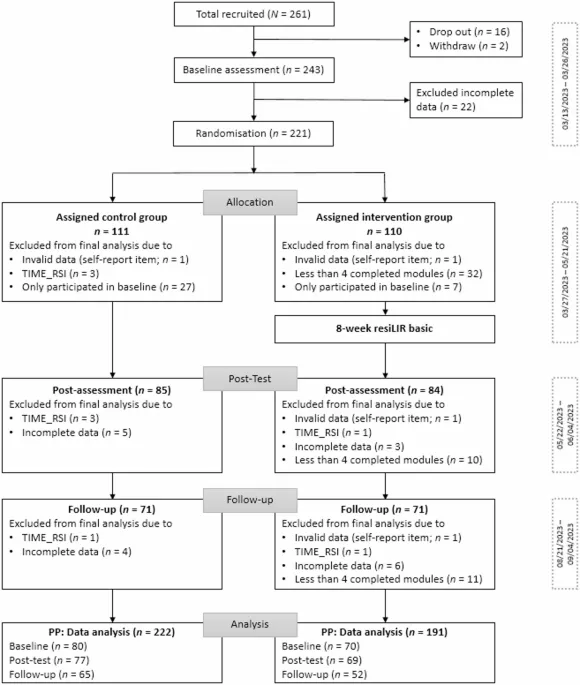
Efficacy of a self-guided online resilience intervention for improving mental health among university students: A randomized controlled trial - Nature
IntroductionUniversity students have been identified as an at-risk population for the development of mental health problems1,2 as the prevalence of mental disorders among German university students amounts to 22%3. Yet the burden of distress extends beyond formal diagnoses: 87% of German students report feeling stressed sometimes or even often, with the proportion of those who often feel stressed having nearly doubled from 23% to 44% between 2015 and 20233. Another study conducted in Germany indicates that 24% of students reported severe exhaustion, 55% low levels of well-being and 58% low stress resilience4. Given this prevalence as well as substantial gaps in health care utilization among university students, it is essential to promote successful adaptation to stress in this population—that is, to foster resilient responses5. In this study, resilience is defined as the outcome of a dynamic process of successful adaptation to adversity6. Accordingly, resilience is operationalised as the maintenance or recovery of good mental health following adverse life events or periods of challenging life circumstances.

Adult-Onset Autoimmune Diabetes in a Physician: Diagnostic Uncertainty and Insulin Acceptance in a Case Consistent With Latent Autoimmune Diabetes in Adults (LADA) - Cureus
Latent autoimmune diabetes in adults (LADA) may resemble type 2 diabetes mellitus (T2DM), creating diagnostic uncertainty and delaying appropriate treatment. This case illustrates the recognition of adult-onset autoimmune diabetes in an older, lean physician and the challenges surrounding the acceptance of insulin therapy. A 63-year-old male physician presented with an eight-week history of polyuria, polydipsia, nocturia, fatigue, reduced exercise tolerance and unintentional weight loss from approximately 62 kg to 53 kg. His body mass index had historically ranged from 19 to 22 kg/m², with no recognised features of metabolic syndrome. His brother reportedly had LADA. Initial investigations demonstrated a random plasma glucose of approximately 30 mmol/L and glycated haemoglobin (HbA1c) of 12.1% (108 mmol/mol). Glutamic acid decarboxylase antibodies were strongly positive (>110 U/mL), whereas islet antigen-2 antibodies were negative. Serum bicarbonate was normal, and renal function was preserved. C-peptide was not measured. Insulin was recommended at diagnosis because of severe symptomatic hyperglycaemia and marked catabolic weight loss. The patient initially declined injectable ther
0 comments
No comments yet. Be the first to share your thoughts!