Kentucky man sentenced for polluting creek in Lawrence County - WCHS
This story deserves to be shared
Send it to someone who'd care, or post it on your networks.
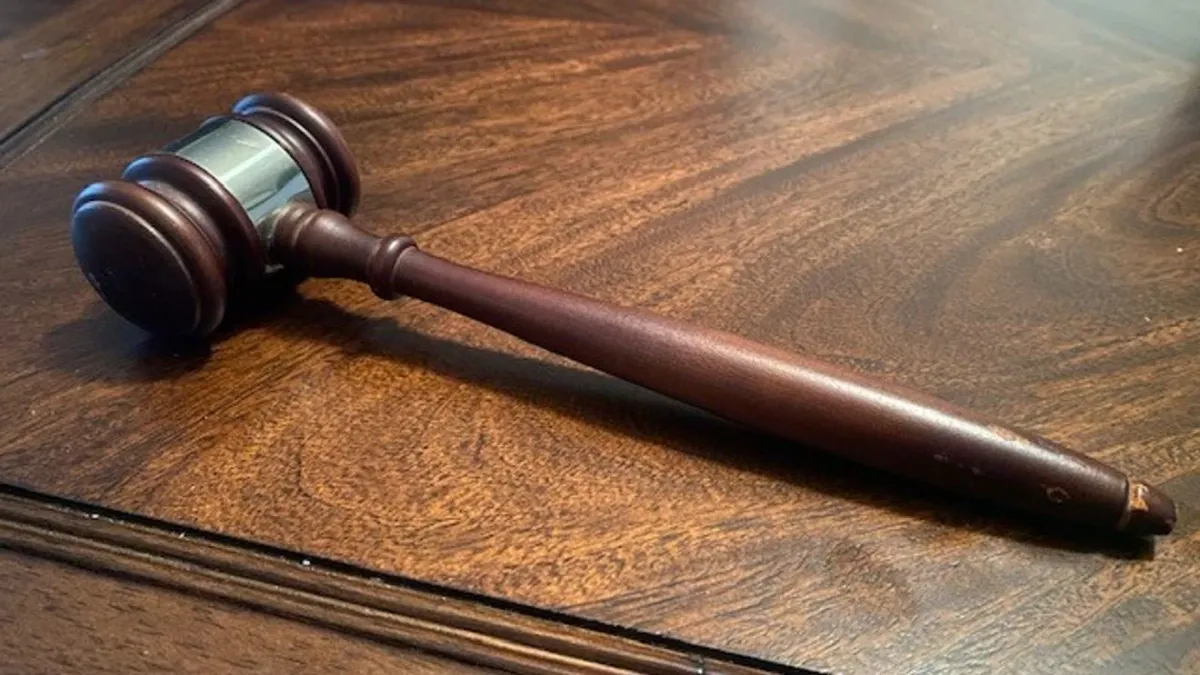
by ANTHONY DAMCOTTSun, October 18, 2026 at 5:06 PMA man was sentenced earlier this week for water pollution in Lawrence County, Kentucky, prosecutors said. (WCHS)LAWRENCE COUNTY, Ky. (WCHS) — A man was sentenced earlier this week for water pollution in Lawrence County, Kentucky, prosecutors said. Josh Ferguson, 42, of Martha, Kentucky, was sentenced on Tuesday to five years of probation, with 12 months of home detention, along with a fine of $20,000, according to a press release from the United States Attorney's Office for the Eastern District of Kentucky. Prosecutors said the Kentucky Department of Environmental Protection was notified about the discharge of brine water into the Left Fork Blaine Creek in Lawrence County. On Sept. 3, 2025, a KDEP inspector investigated an area where Ferguson owned two oil production wells, according to the release. The release said a hose that was connected to a metal brine tank ran through a field and into the creek, where it was actively releasing the waste into the water. Investigators said the water was orange with no signs of life downstream of where the hose was, and water samples indicated extremely elevated chloride levels.
This article is an excerpt. To read the full content, visit the original source. WCHS
Related articles

Junior Saavedra missing: 18-year-old with autism has been missing since Friday after walking out of Reseda school, mom says
The boy's mother is frustrated with how the school handled his disappearance. Monday, October 19, 2026 7:39AMThe family of a missing teen with autism is begging for help and answers after he walked out of his school in Reseda. RESEDA, LOS ANGELES (KABC) -- The family of a missing teen with autism is begging for help after he walked out of his school in Reseda. Junior Saavedra, 18, was last seen at Diane S. Leichman Career Preparatory and Transition Center on Friday. The Los Angeles Police Department has now declared the boy a critical missing person. His mother is frustrated with how the school handled the situation. Now, she is demanding an explanation. Maria Saavedra says the school called her and asked if her son had come home, informing her that he left the school. She said she then went to the school, where they told her he went missing at 11:20 a.m. Saavedra says they didn't call her until 12:59 p.m., and police didn't arrive until 1:20 p.m. "All I want is for him to show up. Please help me. If you’ve seen him, call me, let me know, because I’m so worried about him," Saavedra said in Spanish. "I don’t even know what to think or what to do anymore to get help.
Good colleges need good watchdogs
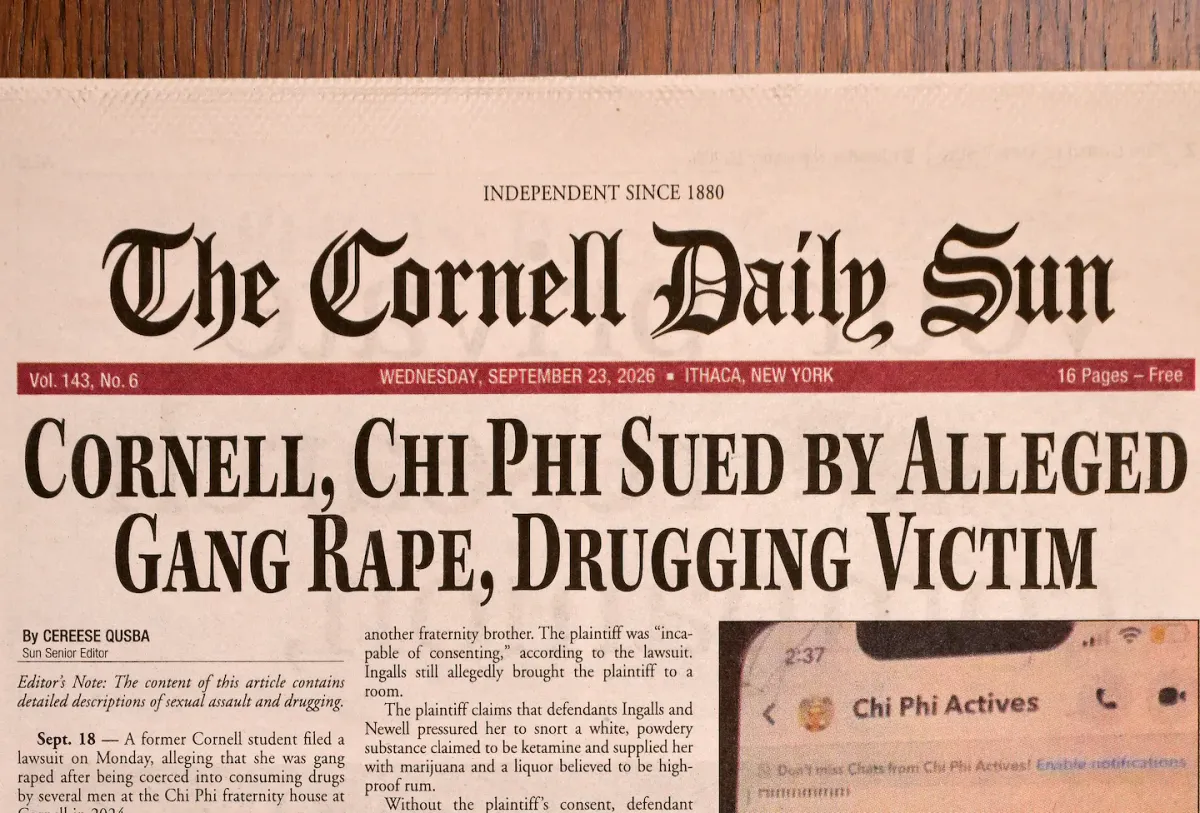
Genevieve Morrison is the editor in chief of The Heights, the independent student newspaper at Boston College. Student journalists at Cornell were the first to report that a former student had filed a civil lawsuit alleging she was raped at a frat party in 2024. Since they did that, professional outlets have taken the story further. The New York Times exclusively obtained documents from the university’s investigation of the incident. CBS broke the news of the Snapchat messages sent on the night of the alleged rape. Traditional outlets do a great job exposing wrongdoing at colleges when they have a reason to look. But someone has to sound the alarm before anyone else knows there’s a fire. A student newspaper is often the sole news organization with reporters on the ground, paying attention, and invested in what happens on a campus. We do important work. But we need the buy-in of other students, readers, and — most of all — administrators to do our jobs well. Private colleges are unusually difficult to report on from the outside. Private schools generally aren’t subject to public records law. As a college journalist myself, I know what that means in practice.
The problem with Austin? It’s in Texas.
Emma Platoff’s piece about how Austin is attracting Massachusetts residents (“He left Boston for Austin. He’s not the only one,” Oct. 15) left out one important Austin downside: It’s in Texas. If you need an abortion, you don’t want to be in Texas. If you don’t have health insurance, you don’t want to be in Texas. And if you care about the future of this country why would you live in a state that elected Greg Abbott as governor and Ken Paxton as attorney general? Boston has its problems but at least most people here care about protecting human rights. Thomas D’AvanzoSharon

Permanent daylight saving time is not the fix we think it is
Susan Kohl Malone is an assistant professor at NYU Rory Meyers College of Nursing. “Spring ahead, fall back” may soon be a thing of the past. In July, the House of Representatives, Republicans and Democrats alike, voted to end the twice-a-year ritual. I share this instinct as a nurse and a sleep scientist. Changing clock times is not good for us, but the bill now in the Senate would lock Americans out of sync with the sun. The Sunshine Protection Act would make daylight saving time permanent. That sounds wonderful: more light after work and school, longer evenings. But there’s a catch — making daylight saving time permanent does not create a single additional minute of daylight. The sun does not change when it rises and sets; the clock simply relabels the hours. Permanent daylight saving time would take an hour of light from winter mornings and shift it to the evenings. That trade is the problem, because morning light and evening light are not interchangeable. Our bodies run on internal clocks that are set by the sun, not the clock on the wall. Morning light is the master signal: It resets our internal clocks each day and tells the brain to trigger a surge of cortisol.
0 comments
No comments yet. Be the first to share your thoughts!