Keep your guard up as Atlantic hurricane season sets a new record
This story deserves to be shared
Send it to someone who'd care, or post it on your networks.
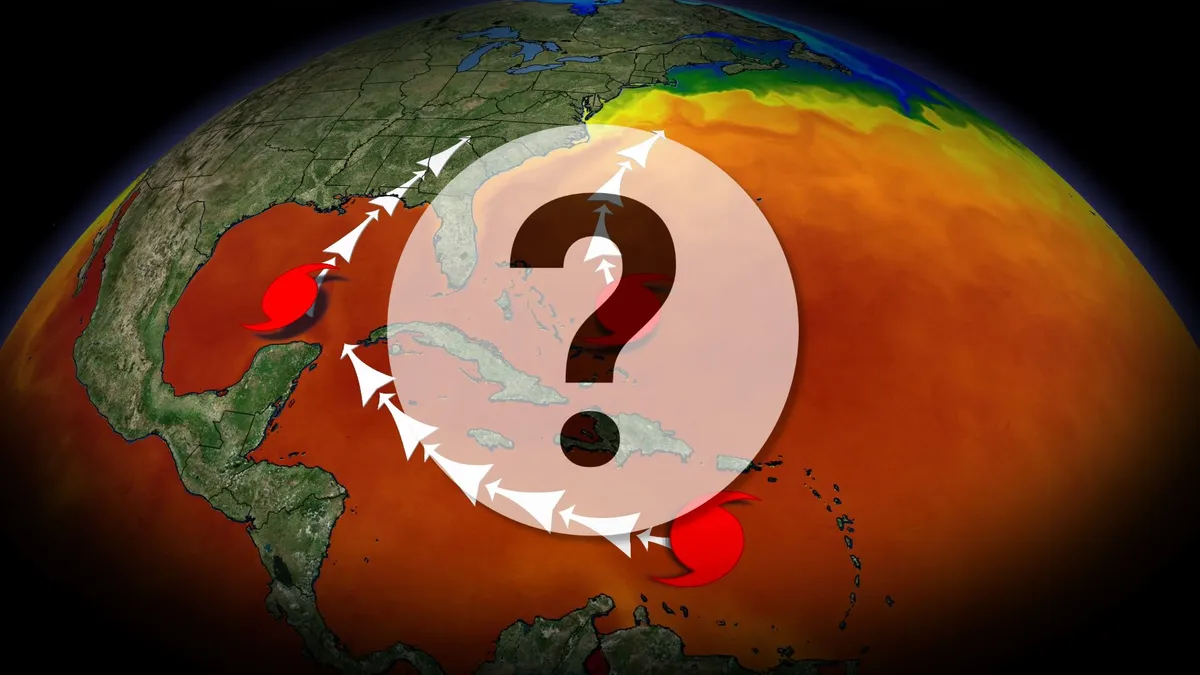
The Atlantic just made it through its first hurricane-free September in more than 30 years. Will we make it to the end of the year without any hurricanes at all? While there are no immediate signs of development on the horizon, recent history holds an ominous roster of destructive late-season storms. Coastal residents should remain alert as hurricane season continues through Nov. 30. DON’T MISS: Destructive Atlantic hurricanes can still happen during El NiñoFirst hurricane-free September in decadesThis year is the first time since 1994 that the Atlantic basin made it through the month of September without any hurricanes, a remarkable occurrence given that the season peaks during the second week of the month. In fact, we haven’t seen any hurricanes at all this season. This is by far the longest wait for the first hurricane since the satellite era began in 1966, breaking the old record by three weeks and counting. An average hurricane season produces 14 named storms, 7 hurricanes, and 3 major hurricanes. So far this year, we’ve seen 8 named storms, most of which remained weak and short-lived. The Atlantic has produced an Accumulated Cyclone Energy (ACE) of just 10.8 as of Oct. 1.
This article is an excerpt. To read the full content, visit the original source. The Weather Network
Related articles
Brewing nor’easter threatens East Coast with days of coastal flooding, strong winds and pounding surf
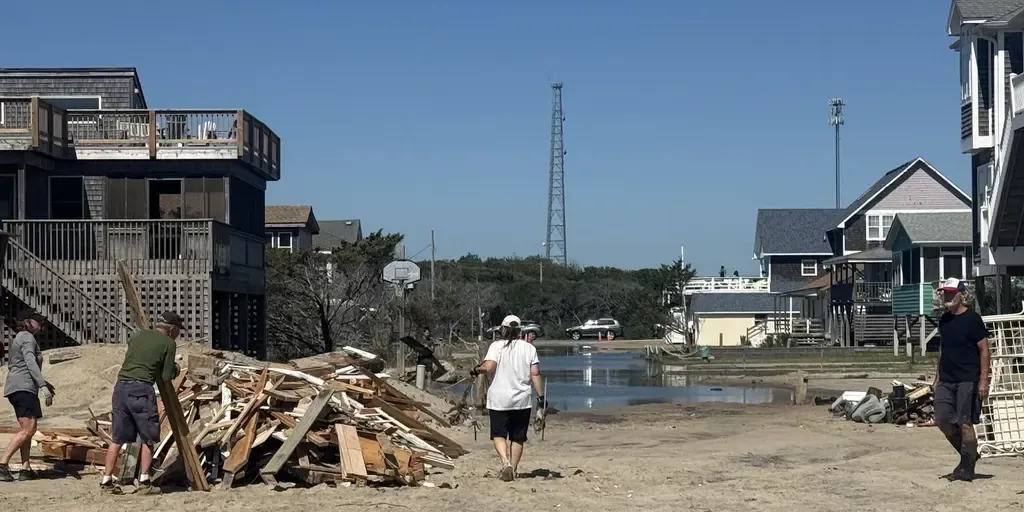
The next fall nor’easter is brewing off the North Carolina coast, setting the stage for extensive impacts throughout the week. The National Hurricane Center is now highlighting this area for potential tropical development, with a 30% chance over the next seven days. WHAT IS A NOR’EASTER? Regardless of tropical development, the Outer Banks are expected to see long-term impacts, including intense wind gusts from the approaching nor’easter, while the storm sits off the coast. The main concern for the Outer Banks region will be intense wind gusts as strong as 40 to 60 mph, fueling moderate coastal flooding and destructive waves. A mandatory evacuation for locals on Hatteras Island is in effect, as storm conditions are expected to worsen, with the potential for significant ocean overwash. This graphic shows the Wind Alerts for the upcoming Nor’easter.(FOX Weather) According to the FOX Forecast Center, the impacts will last through late Wednesday evening and into Thursday, totaling three days of nasty storms with ferocious wind gusts.
Where’s the frost? Southern U.S. hits freezing before Toronto, Montreal
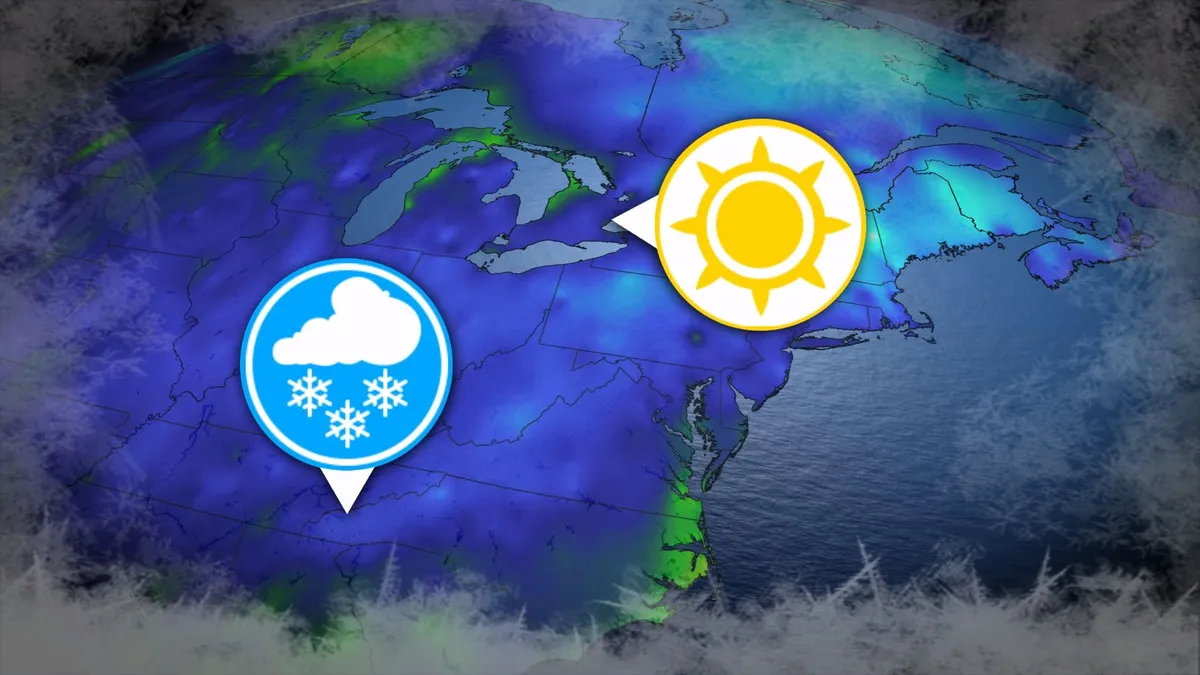
Toronto and Montreal have remained above the freezing mark every day for almost six months. While frosts and even some snowflakes have intruded across parts of Ontario and Quebec in recent weeks, the two cities have yet to reach that magic number. What’s even more remarkable is that a handful of communities across the southern United States have already dipped to the freezing point--and some have even seen accumulating snowfall. DON’T MISS: Official: Canada records first -30°C reading of the seasonThe last time we saw a freezing temperature in either Toronto or Montreal was the second-to-last week of April. Toronto hit -1.3°C early on April 20, while Montreal dipped to -2.0°C the following morning. Our average first frost in both cities occurs right around the middle of October. But warmer-than-normal years can see this milestone slide several weeks past due. Montreal once had to wait 207 consecutive days for its first frost, with the city’s first subfreezing temperature in 2017 waiting until Nov. 7. The latest Toronto’s had to wait to hit the zero-degree mark was Nov. 13, 2022.
345 km/h: Meet the world’s strongest tropical cyclones
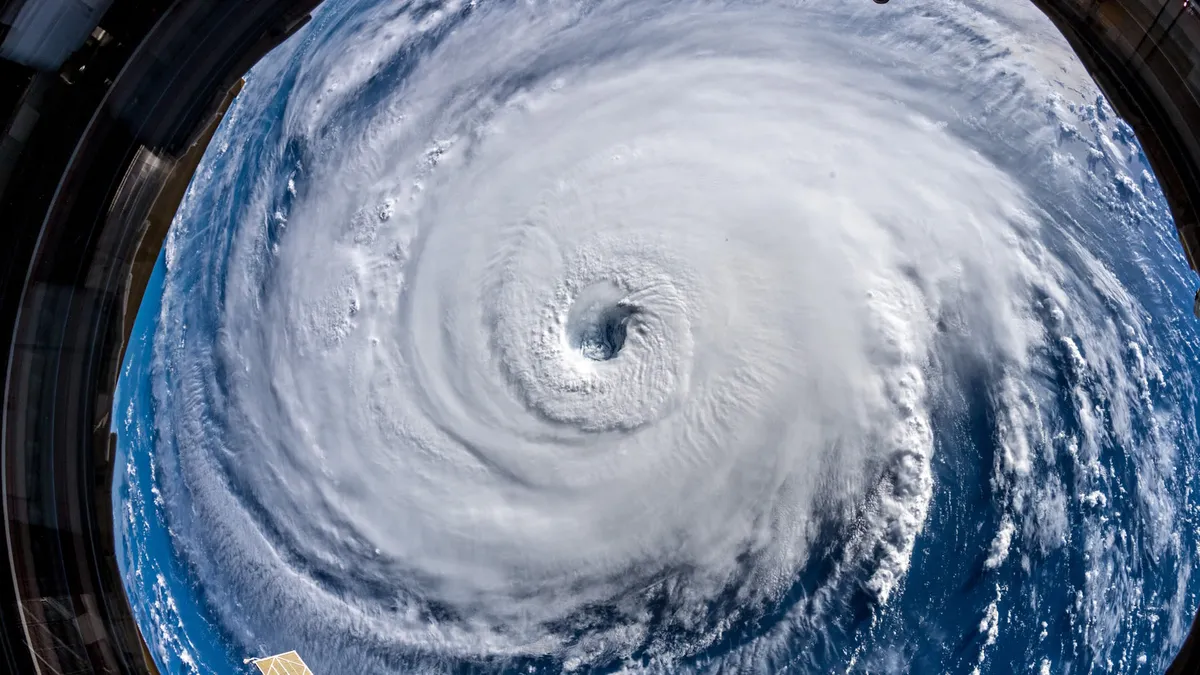
Tropical cyclones top the list of nature’s most powerful storms. Larger than tornadoes and more intense than any single thunderstorm, these systems can change the landscape when they swirl ashore. A handful of tropical cyclones take full advantage of their surroundings to achieve the apex of their potential, the strongest storms nature can produce. DON’T MISS: What’s the difference between hurricanes, typhoons, and cyclones? Tiny fraction of storms achieve upper limitsOnly about 4 per cent of all the world’s recorded tropical cyclones have reached the equivalent of Category 5 strength. Most tropical cyclones are relatively weak and short lived because it’s tough for all the necessary ingredients to align just right. But explosive development can result when all those factors come together in perfect harmony. Strongest Winds: Hurricane PatriciaAn exceptionally favourable setup off the western shores of Mexico in late-Oct. 2015 allowed Hurricane Patricia to grow into the world’s strongest hurricane since reliable observations began in 1966.
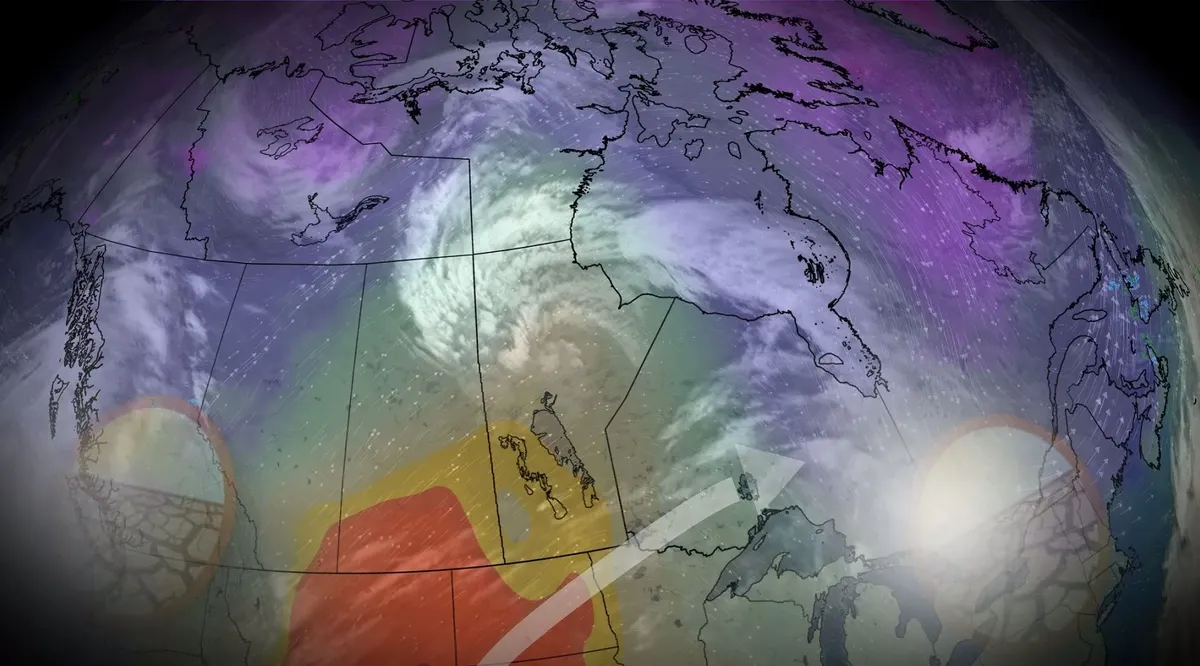
Canada, where did all the fall storms go?
While there have been some weather hiccups in October across Canada, one commonality is the lack of fall storms. The month has brought a very different flavour to parts of the country, compared to September's weather. October started with summer-like warmth in Ontario and Quebec, while the West endured some chilly temperatures. That pattern has since flipped. But there haven't been many of your typical fall storms this season, making for a super-dry pattern in many areas in Canada. Let’s dive into why the storms are absent so far. DON'T MISS: What does a classic fall storm look like in your part of Canada? What fuels fall storms? A split flow, in which the jet stream literally splits in two, will prove a prominent feature during the second half of October, promoting a less-consolidated jet stream that would otherwise impact the coast of British Columbia throughout autumn. Some of that energy is being redirected down toward California, a change that’s significantly affecting our weather patterns across Canada.
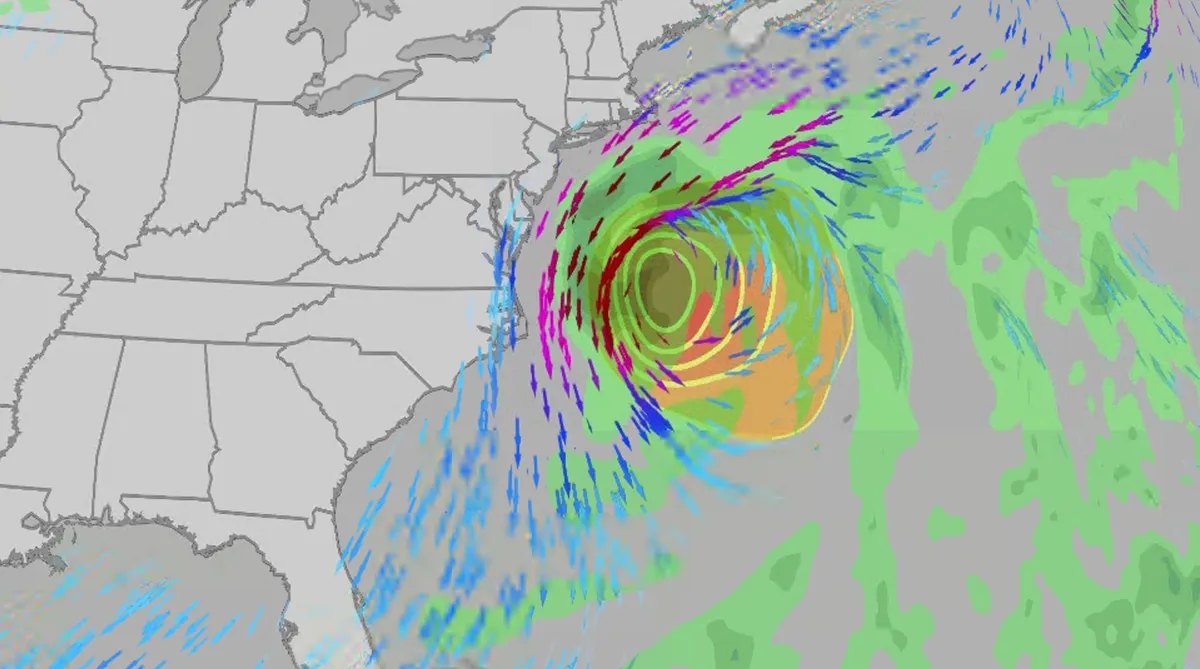
Nor' easter to bring coastal flooding, winds to East Coast
An October nor'easter is developing in the Atlantic, where it will bring high surf, rip currents, coastal flooding, winds and rain to parts of the East Coast for several days this week. The National Hurricane Center has it highlighted as an area to watch this week for potential subtropical development. However, regardless of development, this system will bring dangerous conditions to the East Coast this week. Fortunately, this system doesn't look to be as strong as the one in September. But the bad news? It could linger for much of the week, so impacts could have a longer duration than you would think. There are currently coastal flood alerts across parts of coastal North Carolina and Virginia, where anywhere from 1 to 4 feet of inundation is possible. Key takeawaysWe do not expect this storm to be as strong as the late September nor'easter. The area most likely impacted the longest appears to be from the Delmarva Peninsula to eastern North Carolina, with more models pointing to primarily eastern North Carolina.
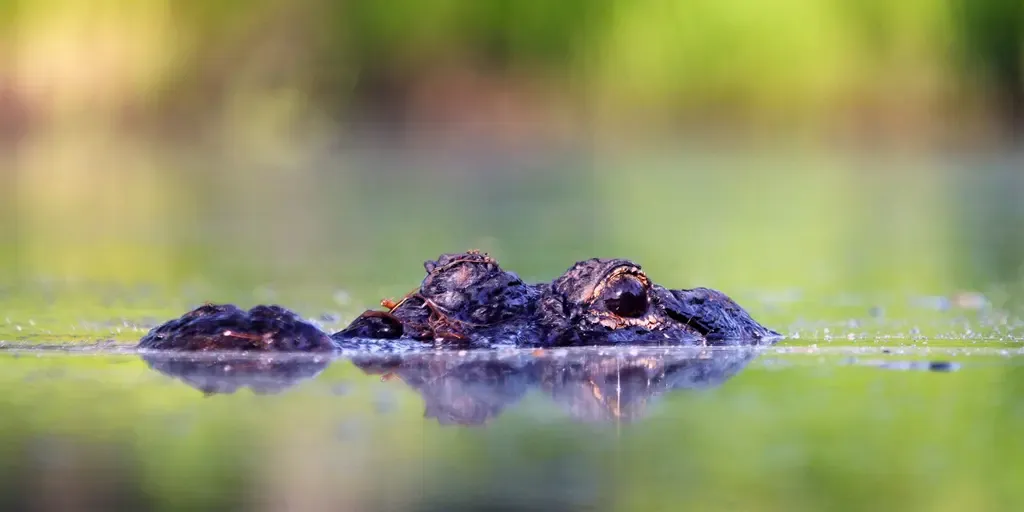
Massive alligator kills 71-year-old man in frightening wildlife encounter in Florida
The police chief said Lake Apopka "has tons of alligators in it" and authorities weren’t aware before the attack that one was near the shore. THE TAKEAWAYA 71-year-old man was killed by a 12-foot alligator in Florida. Officials note the lake is home to many alligators. The alligator was trapped and killed following the attack. WINTER GARDEN, Fla. – Tragedy has unfolded in a community in Florida after a 71-year-old man was attacked and killed by an alligator while fishing on Friday evening. The Florida Fish and Wildlife Conservation Commission was able to identify the victim as Steven Hamilton, of Winter Garden, after emergency crews tried to rescue the man from the water along the shore of Lake Apopka. This was especially difficult because active alligators were in the water nearby. WOMAN REPORTEDLY LOSES ARM AFTER ALLIGATOR ATTACK WHILE SWIMMING IN FLORIDA RIVERAccording to the Winter Garden Police Department, the nearly 12-foot-long alligator was trapped and killed following the attack. Florida, Naples, warning sign, no fishing, swimming, beware of alligators.
0 comments
No comments yet. Be the first to share your thoughts!