Jim Irons, Former Landsat Project Scientist, Wins Pecora Award - NASA Science (.gov)
This story deserves to be shared
Send it to someone who'd care, or post it on your networks.
This article is an excerpt. To read the full content, visit the original source. NASA Science (.gov)
Related articles
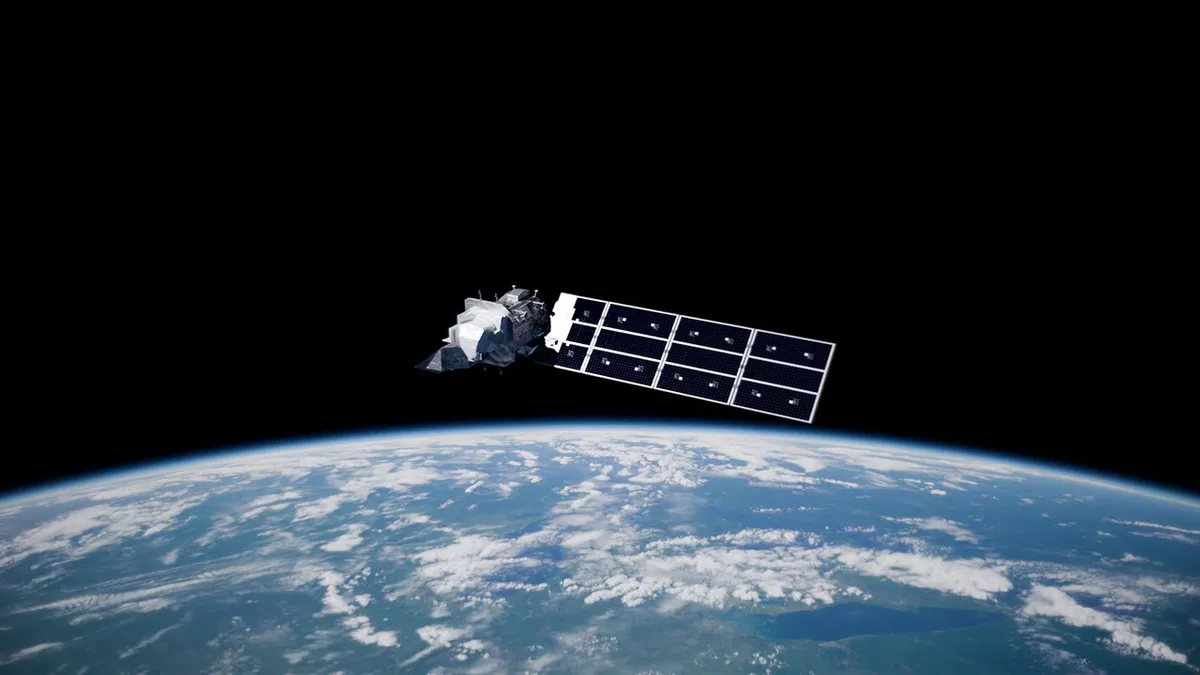
Mission Success! Celebrating Landsat 9’s Five-Year Design Life Milestone - NASA Science (.gov)
NASA’s Landsat 9 mission completed its five-year design life on Sunday, September 27, 2026. This critical mission milestone — 54 years after the Landsat 1 mission launch — is a reminder of the enduring success of the Landsat program and its role in providing the longest continuous, space-based record of Earth’s surface. As with all past missions, Landsat 9's data are essential for studying change over time to better understand our planet and make informed decisions about Earth’s resources and environment. The Landsat 9 mission is a joint partnership between NASA and the U. S. Geological Survey (USGS). NASA built and launched the satellite into orbit on September 27, 2021, then put the satellite through 10 months of extreme calibration, validation, and maneuvering tests to ensure that its instruments operated as planned while in orbit. Once this on-orbit checkout was completed, the USGS took over day-to-day operations and data management. Landsat 9 is also the first Landsat mission of the NASA/USGS Sustainable Land Imaging (SLI) Program, which was established to bring stability and predictability to spaceborne U. S. land imaging.
Your Name in Landsat Image Gallery - NASA Science (.gov)
Single-cell RNA sequencing dataset of hippocampus from mice of neuropathic pain at different time points - Nature
We’re sharing this article early to provide faster access to peer-reviewed, accepted research. It is citable and carries a permanent DOI. This version is subject to further edits and will be replaced automatically by the final Version of Record. All legal disclaimers apply. AbstractChronic pain (CP) affects more than 30% of the global population and is often accompanied by significant cognitive impairments. Although an increasing number of studies have focused on the pathological mechanisms associated with chronic pain-induced cognitive impairments, most have concentrated on the stage after the onset of cognitive impairments. Currently, the course by which chronic pain induces cognitive impairment has not been fully reported. Therefore, single-cell RNA sequencing were conducted in this study in order to map the mice hippocampus altas before and after cognitive impairments induced by spared nerve injury (SNI) on days 3, 7, 14, and 21. After quality control screening, 53852 out of 64207 cells from 11 samples were retained for subsequent analysis. The reliability of the sequencing data was verified through analysis of various evaluation indicators and sequencing alignment rates.
0 comments
No comments yet. Be the first to share your thoughts!