jean-baptiste fastrez turns an inflatable boat and a wall fixing into mirrors to look and to be looked at
This story deserves to be shared
Send it to someone who'd care, or post it on your networks.
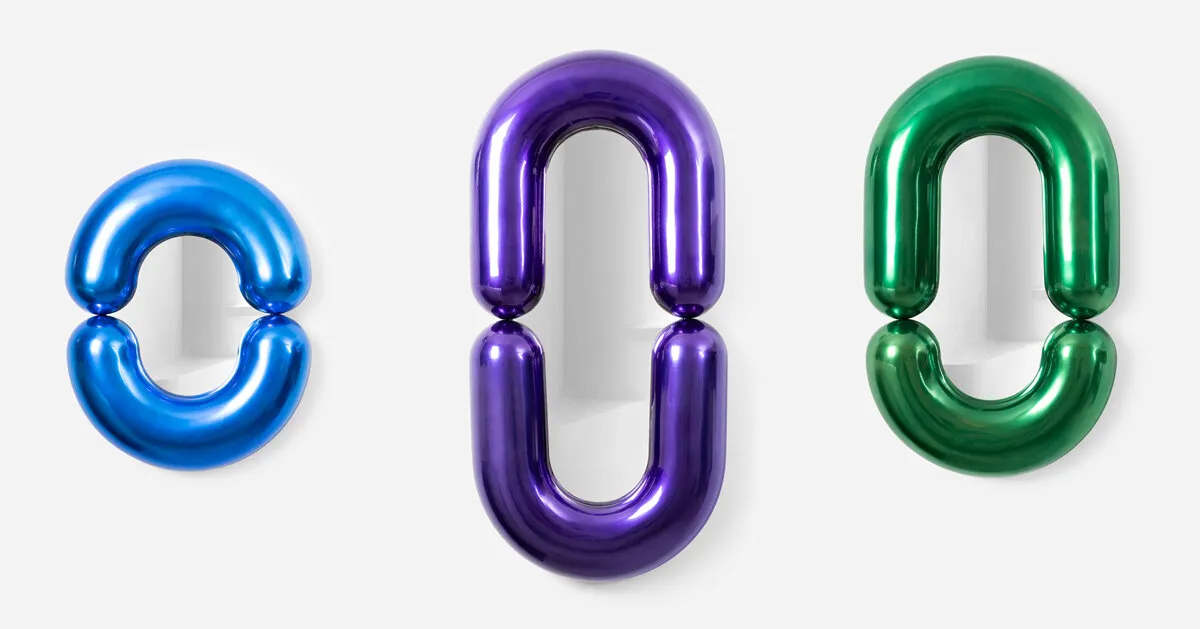
'I like the paradox of an object that has such a strong physical presence, yet whose image is almost entirely made up of whatever surrounds it,' says the french designer, who has spent more than a decade of his practice reworking the mirror through different forms and materials. sofia lekka angelopoulou October 20, 2026 9 min prefer designboom on googleThe mirror as an object to look and to be looked at ‘The mirror is, after all, a utopia, since it is a placeless place,’ said Michel Foucault in a 1967 lecture, explaining that in a mirror you see yourself where you are not, ‘in an unreal, virtual space that opens up behind the surface.’ He then called it a heterotopia as well, since the mirror does exist in reality, where it ‘exerts a sort of counteraction’ on the position you occupy. No other object in a house behaves this way, since everything else in a room is looked at while a mirror hands the room back with its viewer inside it. That duality, between what the object looks like and what it does to whoever stands in front of it, has given the mirror an unusual position in design.
This article is an excerpt. To read the full content, visit the original source. designboom
Related articles
Art Basel Paris Opens Avant Première with ‘Good Energy,’ a Smattering of Sales, and One $100 M. Work
Dealers reported "good energy" at the ultra-VIP event, but the show may have been stolen by a $100 M. Modigliani work at Pace Di Donna Schrader.
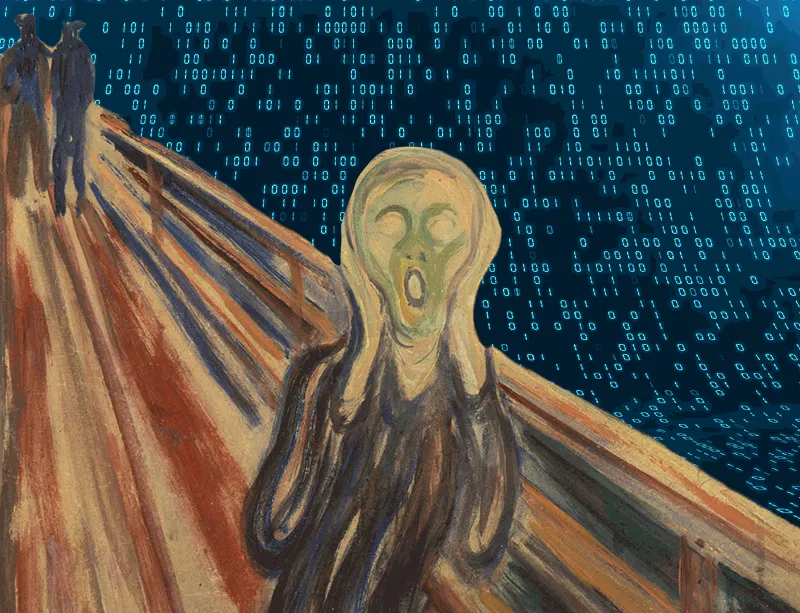
Dear Art World, We Can Tell When You’re Using AI
Institutions, especially well-resourced museums, foundations, and cultural organizations, have no excuse for relying on generative tools instead of paying writers. Reading art writing shouldn't feel like this. (edit Valentina Di Liscia/Hyperallergic; video Getty Images, photo public domain via Wikimedia Commons)
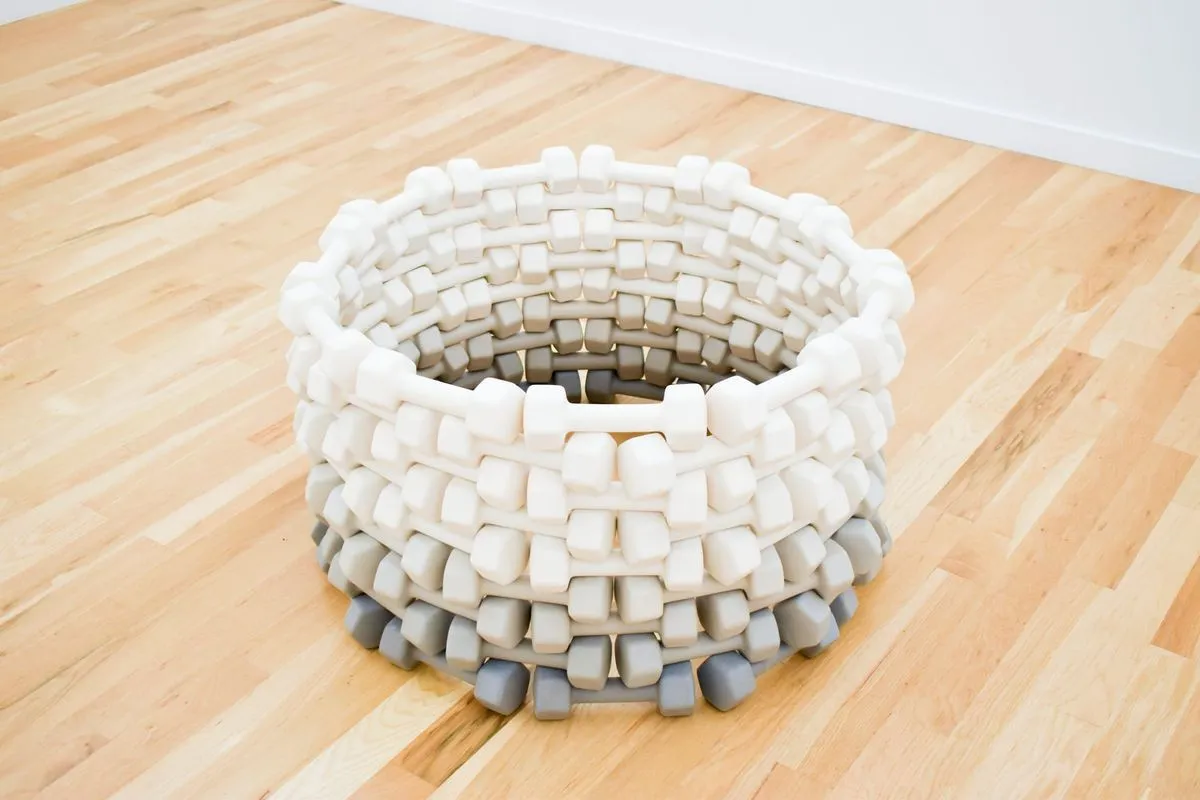
Bathing With the Nymphs
Olivia Zubko combines our favored legends with humankind’s most sacred pillars: beauty and bathrooms. Olivia Zubko, “Wishing Well” (2026), glazed porcelain, plastic (all photos Natalie Jenkins/Hyperallergic)
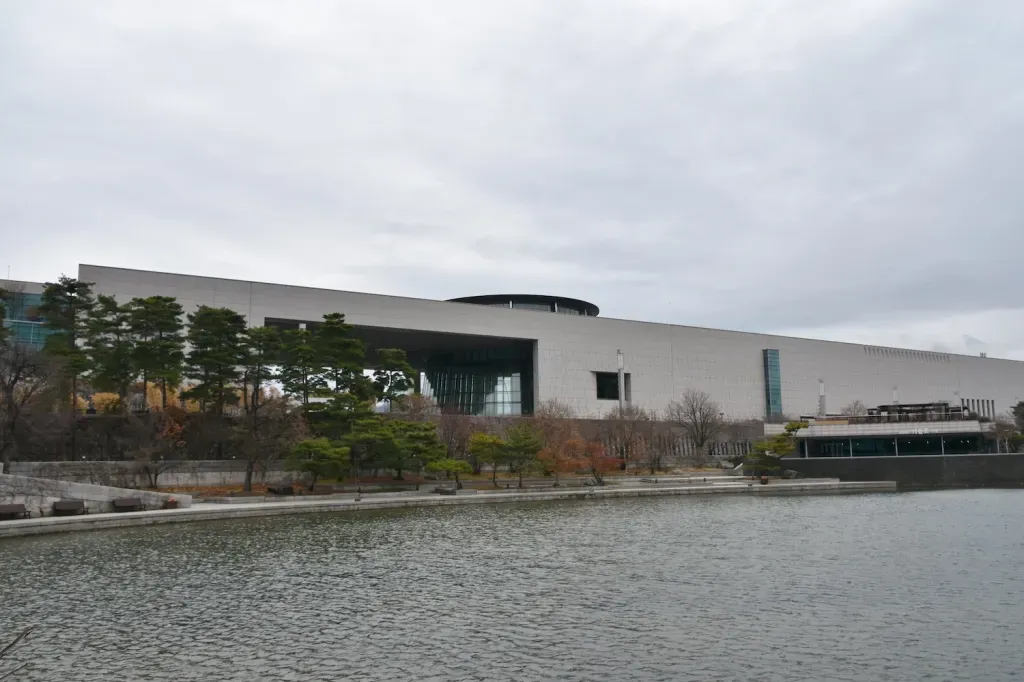
National Museum of Korea Director Apologizes for Misattribution of a Work on Display
Editor’s Note: This story was updated on October 20, 2026, with additional information. The director of the National Museum of Korea, You Hong-june, has issued a formal apology after a misidentified calligraphic artwork belonging to him was put on display at his museum. The news was announced by the South Korean English language newspaper Korea JoongAng Daily, which reported on the incident last week.
0 comments
No comments yet. Be the first to share your thoughts!