Integrating corneal endophenotypes with classic GWAS approaches identifies novel keratoconus loci - Nature
This story deserves to be shared
Send it to someone who'd care, or post it on your networks.
AcknowledgementsThe authors would like to acknowledge Marianne van Veen for her effort in enrolling patients for the CORRBI biobank; Jacoline ten Brink for her effort in collecting and preparing Amsterdam Glaucoma Study samples; and Uxía Regueiro and Daniël S. Stieber for their effort in preparing and delivering the samples and data from Utrecht Medical University Center. The authors are grateful to the study participants, the staff from the Rotterdam Study, and the participating general practitioners and pharmacists. The generation and management of GWAS genotype data for the Rotterdam Study (RS I, RS II, and RS III) was executed by the Human Genotyping Facility of the Genetic Laboratory of the Department of Internal Medicine, Erasmus MC, Rotterdam, The Netherlands. We thank Pascal Arp, Mila Jhamai, Marijn Verkerk, Lizbeth Herrera, and Marjolein Peters, MSc, and Carolina Medina-Gomez, MSc, for their help in creating the GWAS database, and Karol Estrada, PhD, Yurii Aulchenko, PhD, and Carolina Medina-Gomez, MSc, for the creation and analysis of imputed data, and Jard de Vries, MSc, and Linda Broer, PhD, for their valuable analytical insights and input throughout the project.
This article is an excerpt. To read the full content, visit the original source. Nature
Related articles
Corneal biometry changes with 0.01% atropine for myopia control: a randomised controlled trial and case of incidental keratoconus - Nature
We’re sharing this article early to provide faster access to peer-reviewed, accepted research. It is citable and carries a permanent DOI. This version is subject to further edits and will be replaced automatically by the final Version of Record. All legal disclaimers apply. AbstractChanges in corneal curvature have been reported with low-concentration atropine eyedrops for myopia treatment and have been suggested to play a role in the refractive changes observed during atropine therapy. A case of keratoconus was identified from the Western Australia atropine for the treatment of myopia (WA-ATOM) cohort. We tested the null hypothesis that 0.01% atropine eyedrops produce no change in corneal parameters or ectasia risk compared to placebo. Children with progressive myopia (6–16 years; n = 153) were randomly assigned to receive 0.01% atropine eyedrops or a placebo (2:1 ratio) for 2 years, followed by a 1-year washout. Scheimpflug imaging was performed at baseline, 24-months, and 36-months. Changes in corneal parameters were compared between the treatment and placebo groups using linear mixed models.
Study reveals mature immune functions in embryonic neutrophils - News-Medical
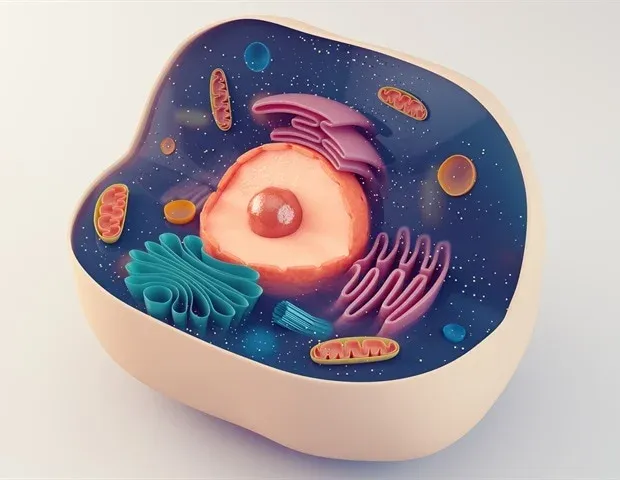
Neutrophils are white blood cells that form part of the body's first line of defence. Researchers have now demonstrated for the first time that neutrophils are found in many tissues during embryonic development, and that they can perform the same functions as adult neutrophils. The findings warrant further study on the role of embryonic neutrophils in tissue development and in responding to infections in fetuses and newborns. Neutrophils are part of innate immune defence. When inflammation occurs, they rapidly migrate from the bloodstream into tissues to eliminate harmful microbes. Their role is well understood in adults, but remarkably little is known about embryonic neutrophils.
AAO 2026: Closing the Screening Gap in Diabetic Retinopathy - The American Journal of Managed Care
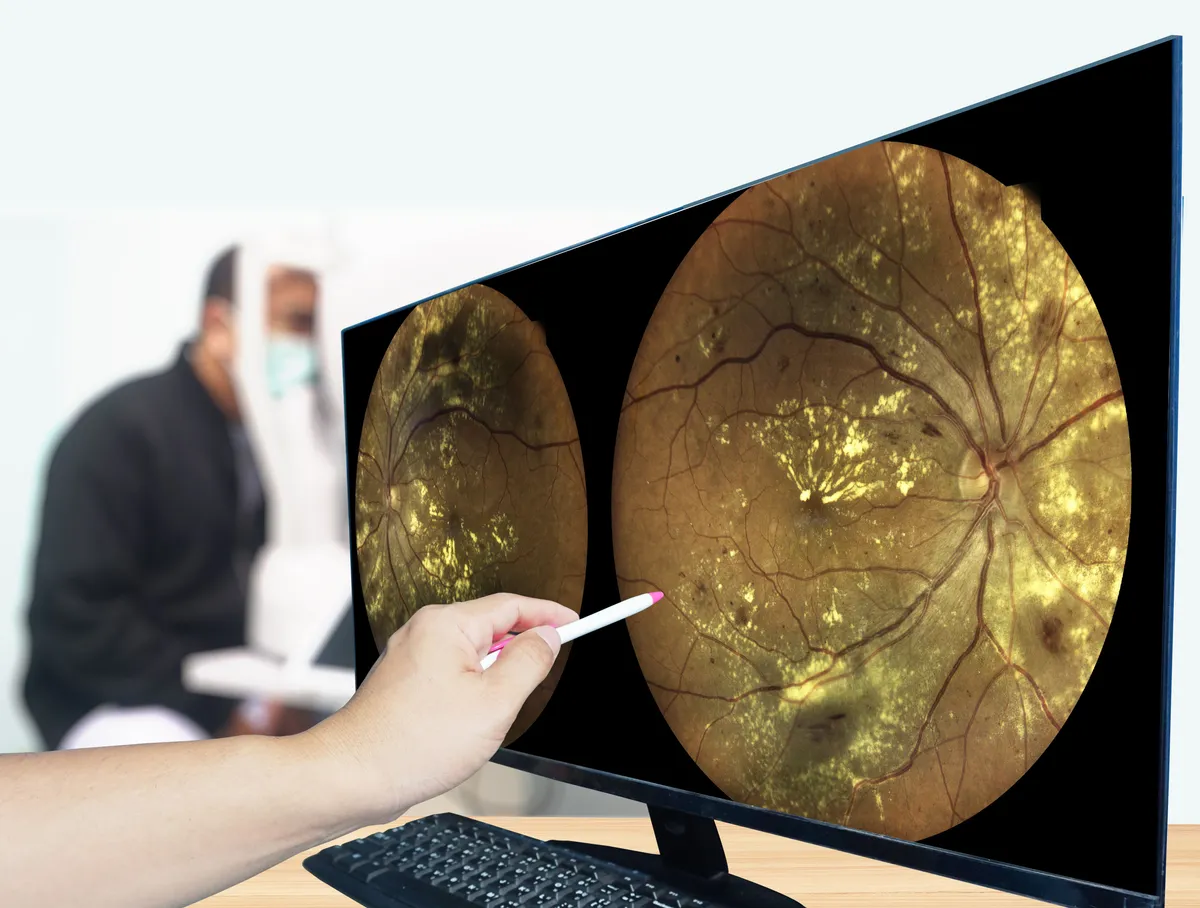
The meeting covered several topics in eye care, including how artificial intelligence (AI) can play a part in eye care. The AAO 2026 annual meeting, held in New Orleans, Louisiana, from October 10 to October 12, 2026, was a weekend that provided eye care professionals an opportunity to learn how health care changes are affecting eye care. With the growing use of artificial intelligence (AI) in health care, AI was a particular touching point throughout the meeting, but also notably in how it could help in addressing the equity in eye health. During a session held on October 11, Grayson W. Armstrong, MD, MPH, Director of Ophthalmology Emergency Services at Mass General Brigham, gave a presentation on how AI could be used to advance health equity in ophthalmology, primarily using case studies to demonstrate its usefulness. Armstrong talked about how he had previously done fellowships in telemedicine and medical retina. “And in doing all those things in a city like Boston, you would assume that there are enough doctors and enough technology to tackle the health disparities that come our way,” he said.

Residential greenery linked to lower dementia risk in older adults - News-Medical
Urban residents with more greenery within 100 meters of their homes have a lower risk of developing dementia over time. This is the finding of a new study from Stockholm University and Karolinska Institute, which followed nearly 3,000 older adults for 16 years. Published in the journal Alzheimer's & Dementia, the study highlights the importance of greenspace in the immediate surroundings of the home for sustainable urban planning that supports brain health. The study results show that more greenery in the immediate residential environment is associated with a 20 per cent lower risk of developing dementia over time.

Male Sex, Age, and Tumor Genetics Linked to Thyroid Cancer Mortality - Targeted Oncology
News|Articles|October 19, 2026 In patients 45+ with papillary thyroid cancer, men with dual BRAF V600E and TERT promoter mutations face sharply higher mortality, reshaping risk stratification. Male sex was associated with higher papillary thyroid cancer (PTC)-specific mortality among patients aged 45 years or older whose tumors harbored concurrent BRAF V600E and TERT promoter (TERTp) mutations, according to an international multicenter cohort study published in JAMA Network Open.1Among patients aged 45 years or older with both mutations, male sex was associated with a 3-fold higher risk of PTC-specific mortality after adjustment for clinicopathologic factors (adjusted HR, 3.07; 95% CI, 1.35-6.97; P =.007). This group also had the highest observed mortality rate, at 37.07 deaths per 1000 person-years, highlighting the prognostic relevance of evaluating these biological factors together. Study Design and Patient CharacteristicsThe retrospective cohort study included 4746 patients with PTC treated at 15 medical centers across 10 countries between 1979 and 2023. The median patient age was 48 years (IQR, 37-59), and 3612 patients (76.1%) were women.

Cannabis is getting stronger, but doubling THC dose doesn’t get you twice as ‘high’ – new study - The Conversation
Cannabis products are getting more potent and easier to buy around the world. Yet little is known about how bigger doses of tetrahydrocannabinol (THC), the main active ingredient in cannabis, change what people feel. Our new research found that larger doses generally make people feel more high, but not in a straight line. Doubling the dose does not double the feeling of intoxication. This leaves a simple but important question for first-time and returning users: how will the amount of THC I take make me feel?
0 comments
No comments yet. Be the first to share your thoughts!