Inflamed and Calcified Pilomatrixoma of the Mandibular Angle Mimicking an Epidermoid Cyst: A Case Report - Cureus
This story deserves to be shared
Send it to someone who'd care, or post it on your networks.
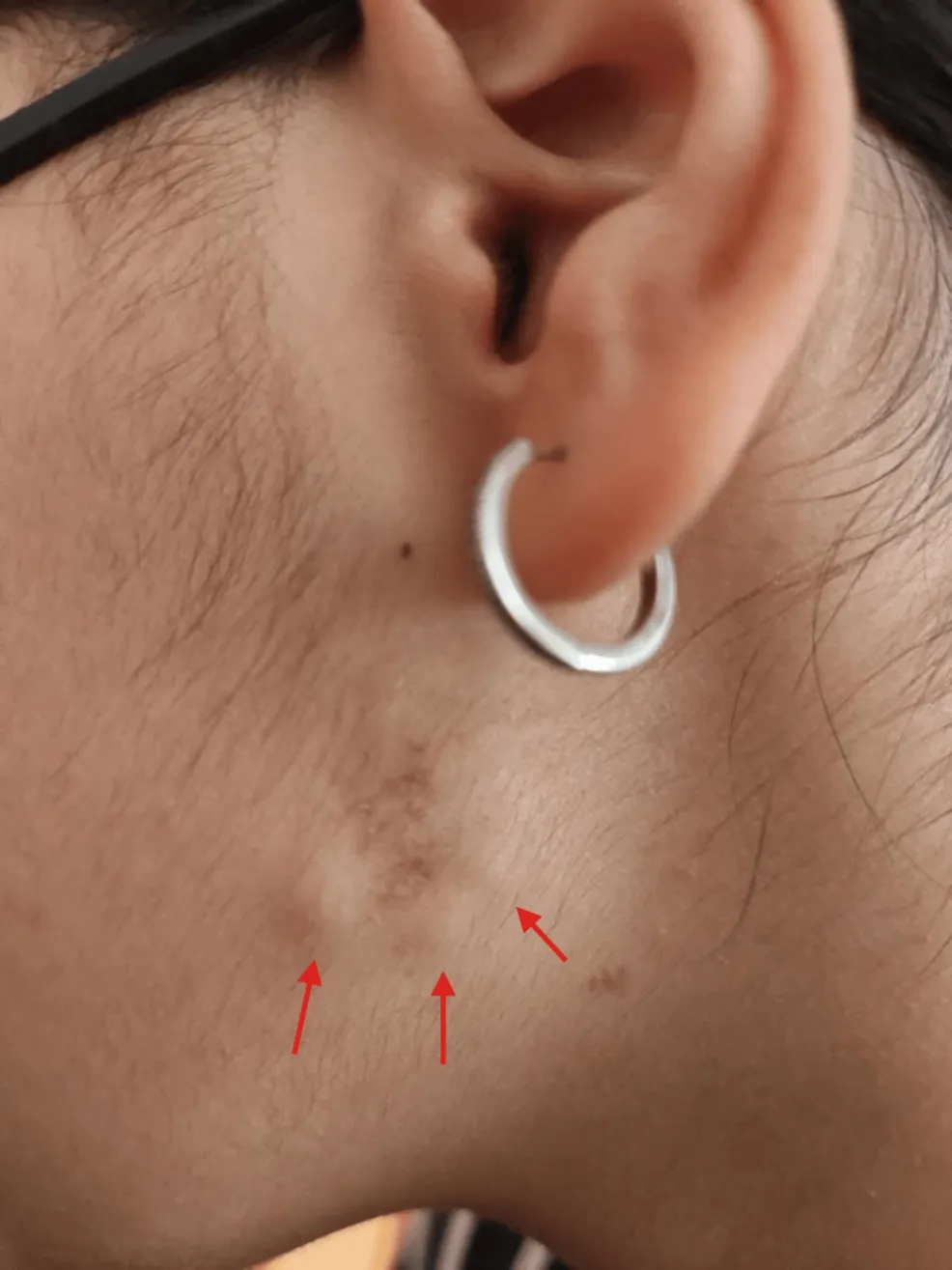
Pilomatrixoma is a benign hair follicle tumor seen mainly in children and young adults. Its diagnosis may be less straightforward when inflammation changes the usual clinical appearance. We describe the case of a 14-year-old girl with a one-year history of swelling at the left mandibular angle. The lesion had repeatedly discharged blood and pus, becoming smaller after discharge before enlarging again. Three connected nodules were eventually noted, and an epidermoid cyst was initially suspected. Ultrasound showed a solid subcutaneous lesion with echogenic foci and posterior acoustic shadowing. Computed tomography (CT) demonstrated internal calcification and raised the possibility of pilomatrixoma before surgery. The lesion was completely excised, and histopathology confirmed an inflamed and calcified pilomatrixoma without malignant changes. Recovery was uncomplicated. This case draws attention to an inflammatory presentation of pilomatrixoma that can resemble an epidermoid cyst and shows how calcification on imaging may help guide the diagnosis when the clinical findings are misleading.
This article is an excerpt. To read the full content, visit the original source. Cureus
Related articles
The Safety and Efficacy of Intravascular Lithotripsy in Treating Calcified Peripheral Arterial Disease - Cureus
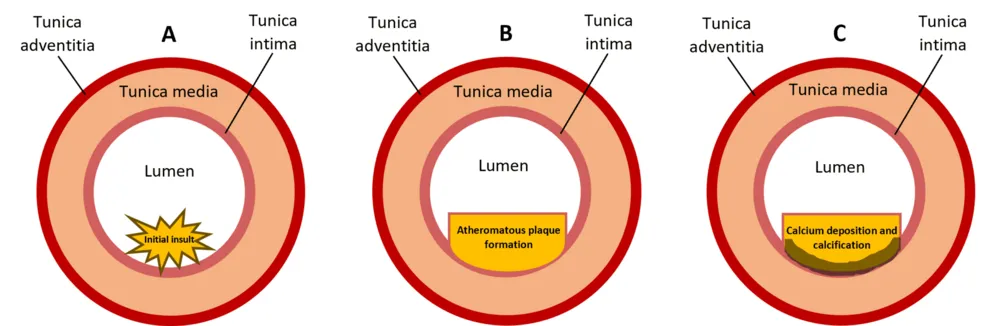
Calcified peripheral arterial disease (PAD) is a common health condition associated with increased morbidity and mortality. Endovascular procedures have become more common in treating these lesions, and plain balloon angioplasty (PBA) is often used for vessels with mild-to-moderate calcification. However, decreased vascular compliance in heavily calcified vessels leads to poorer outcomes and higher complication risk. Intravascular shockwave lithotripsy is a more novel endovascular management option. It uses a specially designed balloon catheter to create shockwaves in an attempt to modify and increase compliance of the calcified plaque. This review aims to assess the safety profile and efficacy of intravascular lithotripsy (IVL). The currently available literature shows that use of IVL for calcified PAD has a good safety profile and low complication rate. Intravascular lithotripsy has also been shown to be more effective in treating patients with calcified PAD as compared to PBA alone. Whilst short-term and mid-term results are promising, there is a scarcity of published long-term data. Hence, further long-term data is required before a definitive conclusion can be drawn.
The Safety and Efficacy of Intravascular Lithotripsy in Treating Calcified Peripheral Arterial Disease - Cureus
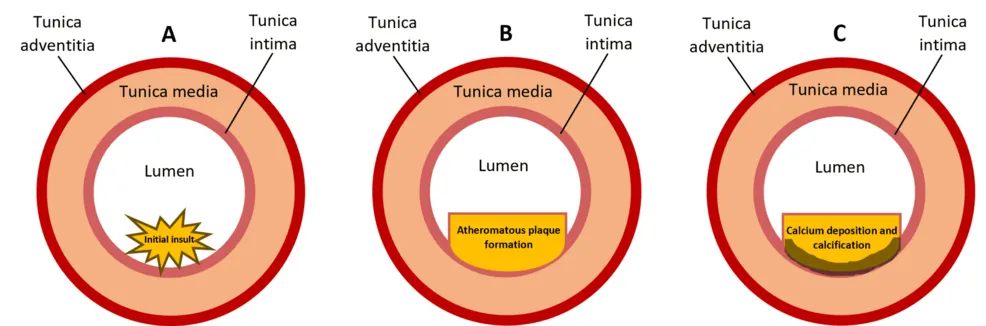
Calcified peripheral arterial disease (PAD) is a common health condition associated with increased morbidity and mortality. Endovascular procedures have become more common in treating these lesions, and plain balloon angioplasty (PBA) is often used for vessels with mild-to-moderate calcification. However, decreased vascular compliance in heavily calcified vessels leads to poorer outcomes and higher complication risk. Intravascular shockwave lithotripsy is a more novel endovascular management option. It uses a specially designed balloon catheter to create shockwaves in an attempt to modify and increase compliance of the calcified plaque. This review aims to assess the safety profile and efficacy of intravascular lithotripsy (IVL). The currently available literature shows that use of IVL for calcified PAD has a good safety profile and low complication rate. Intravascular lithotripsy has also been shown to be more effective in treating patients with calcified PAD as compared to PBA alone. Whilst short-term and mid-term results are promising, there is a scarcity of published long-term data. Hence, further long-term data is required before a definitive conclusion can be drawn.
GLP-1 drugs linked to lower risk of serious heart-related complications and infections after surgery - Medical Xpress
GLP-1 medications, widely prescribed for diabetes and weight loss, may also help protect people from serious complications after surgery. People taking GLP-1 medications had lower rates of major heart-related complications and infections after surgery than those not taking the drugs, according to results of a study of more than 2 million adults undergoing surgery presented at the ANESTHESIOLOGY 2026 annual meeting.

Stronger Through Connection: Why Lived Experience Belongs at the Heart of the EU Cancer Mission - Oncodaily
What happens when you bring researchers, clinicians, policymakers, innovators and people with lived cancer experience together in the same space? A lot of conversations, new connections, interesting projects… and apparently, some very fun photobooth pictures too!

Chronic Proton Pump Inhibitor Use Linked to More Asthma Exacerbations - HCPLive
Chronic proton pump inhibitor use carried 60% greater odds of asthma exacerbation and nearly 4-fold odds of rescue corticosteroid use in a matched cohort of 2456 patients.
0 comments
No comments yet. Be the first to share your thoughts!