In China, scientists found a nearly 5-pound fungus so unique it required a new family - Yahoo
This story deserves to be shared
Send it to someone who'd care, or post it on your networks.
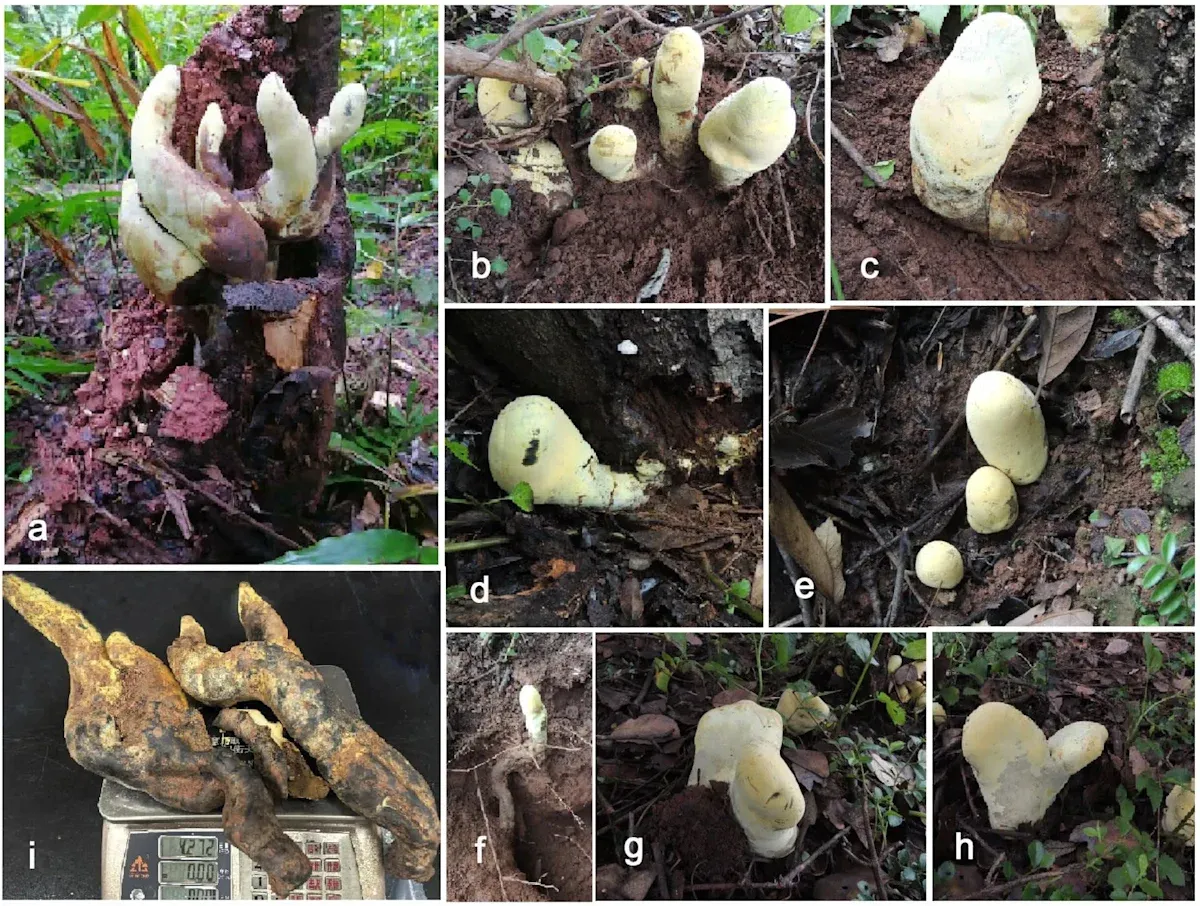
Under trees in China, researchers found a towering yellow fungus so distinct that it became the basis for a newly established fungal family. The largest specimens of Dianjunus rex weighed about 4.9 pounds and measured roughly 20 inches from the buried stalk to the tip. Here's what to knowIn a study published in Frontiers in Fungal Biology, Jing Song and Zhuyue Yan of the Kunming Institute of Botany drew on five specimens collected at three sites in Yunnan, concluding the organism was both a new species and the only known member of a newly named family, according to Earth.com. Only part of D. rex is visible above the soil: It forms stout, pale yellow columns about eight inches tall, while a long black stalk remains buried underground and accounts for much of the fruiting body's full size. With age, the pale, rounded tops become darker and split into narrow, finger-shaped branches that release spores. Genetic evidence showed that the fungus doesn't fit neatly with known relatives. After analyzing hundreds of genes, the researchers concluded that it belongs on its own branch of the fungal tree of life, distinct enough to justify the creation of a new family. Indunil C.
This article is an excerpt. To read the full content, visit the original source. Yahoo
Related articles
Giant fungus discovered in Yunnan reveals new fungal family_InKunming - 昆明信息港
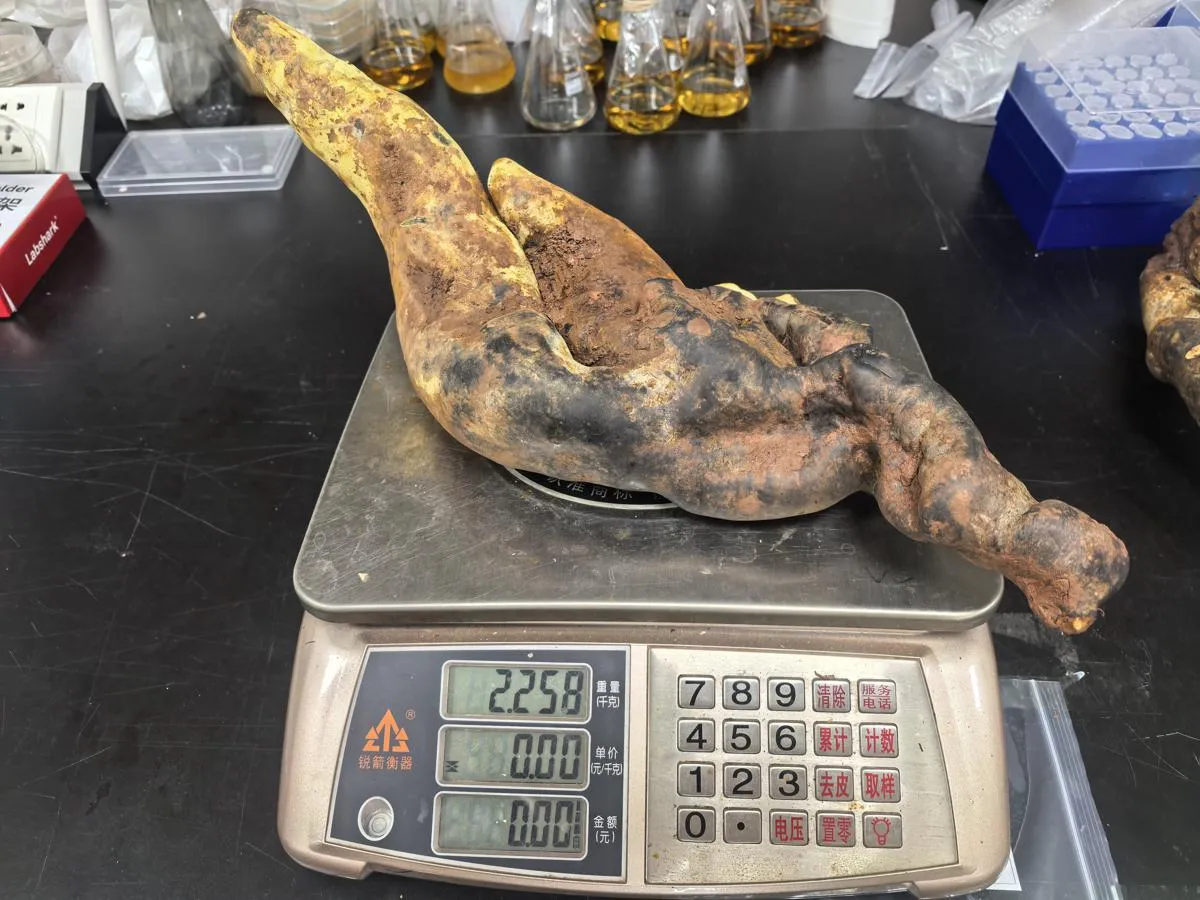
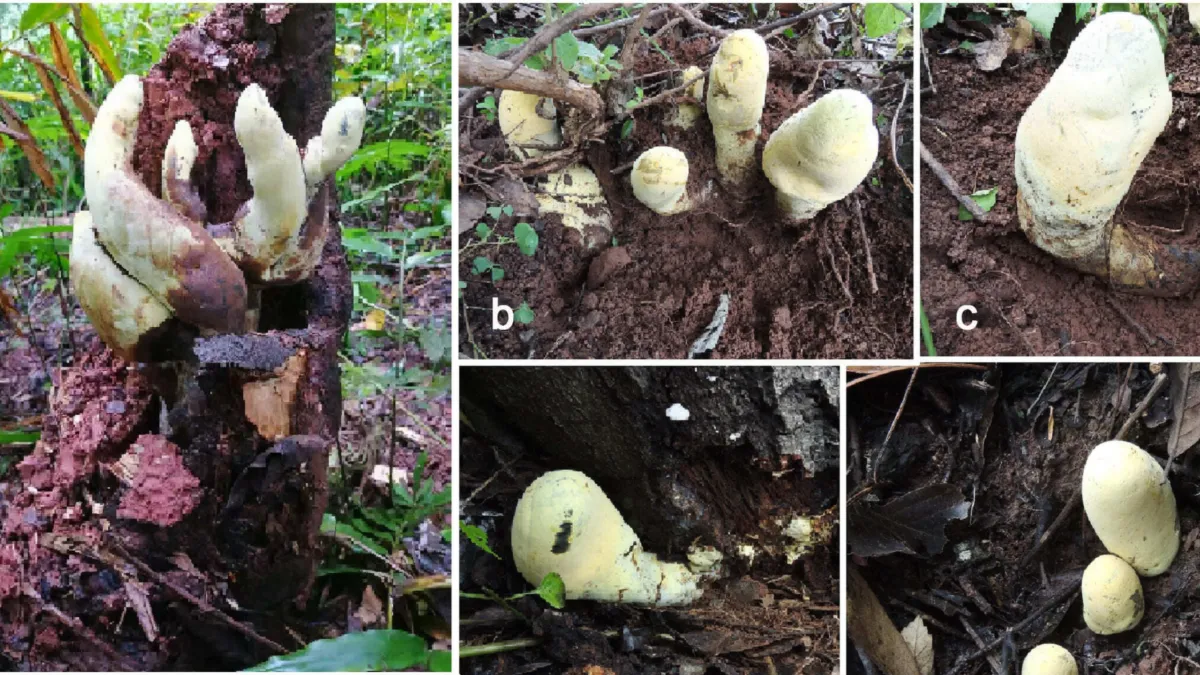
Dianjunus rex can weigh more than 2 kilograms. [Photo/Kunming Institute of Botany under the Chinese Academy of Sciences]Chinese scientists have discovered a previously unknown giant fungus in Yunnan province that constitutes a new fungal family after finding specimens that can grow up to 50 centimeters tall and weigh more than 2 kilograms. Dianjunus rex was identified by a research team led by Yu Fuqiang of the Kunming Institute of Botany under the Chinese Academy of Sciences, together with collaborators. Their findings were recently published in the journal Frontiers in Fungal Biology. The research established an entirely new fungal family, Dianjunaceae, highlighting how much remains unknown about fungal diversity even in a region renowned for its rich plant and animal life, according to the team. Dianjunus rex growing in a forest. [Photo/Kunming Institute of Botany under the Chinese Academy of Sciences]Researchers collected specimens from tropical and subtropical forests in Yunnan between August 2024 and July 2025. The fungi were found growing from the roots of recently dead trees and surrounding soil.
Scientists Uncover D. Rex: Gigantic New 'King' Fungus From China Traces Its Roots to 65 Million Years - ScienceAlert
D. rex's fruiting bodies were discovered in the forests of Yunnan Province. (Song et al., Frontiers in Fungal Biology, 2026) Yunnan Province in China is famous for its mushrooms and fungi, but somehow, scientists have only just come across a new species that has rightly earned the name 'king'. Named Dianjunus rex (or D. rex for short), its gigantic, club-like fruiting bodies can grow up to 50 centimeters tall, which is about one and a half feet, or the height of a traffic cone. A researcher holds up two D. rex fruiting bodies to show off their impressive size. (Provided by Indunil Senanayake) But its impressive size is not the only exciting thing about this fungus. Its genes also contain clues about a major moment in the history of life on Earth. Mycologist Indunil Senanayake of the Chinese Academy of Sciences and her colleagues describe the new species in a paper published in Frontiers in Fungal Biology. D. rex is the only known member of its family, Dianjunaceae. "This remarkable species… provides a rare window into the evolution of extreme fungal body forms," says Senanayake.
Scientists discover ‘D-Rex,’ a giant fungus with a 65-million-year evolutionary history - The Brighter Side of News
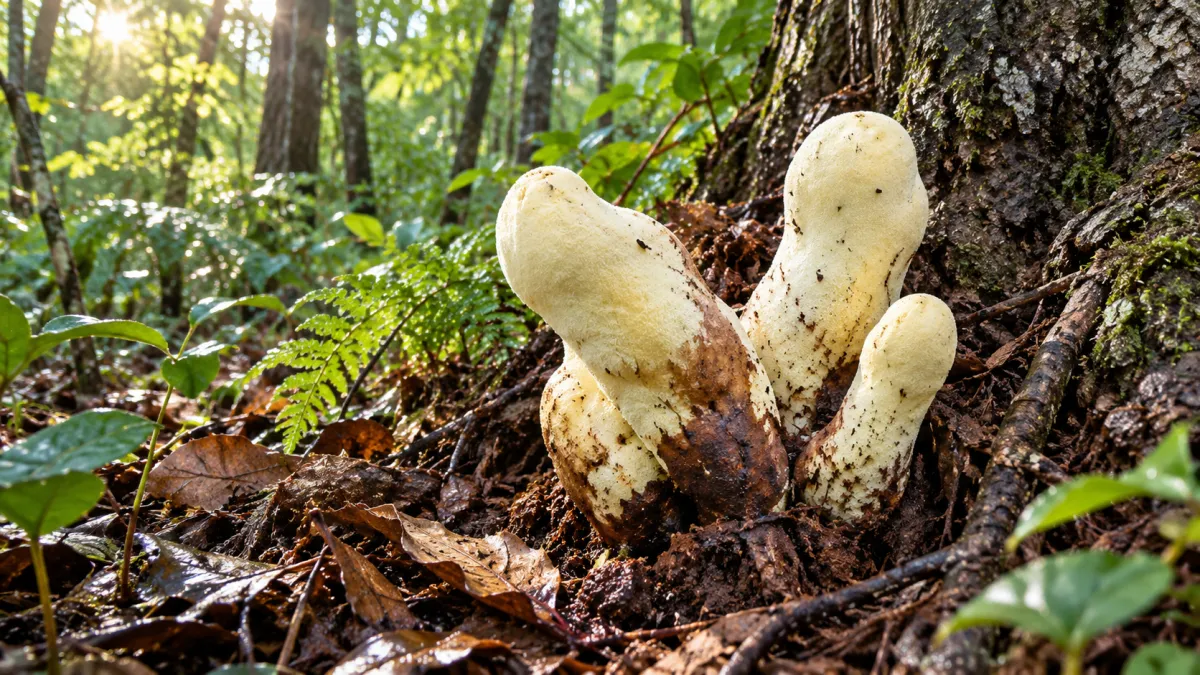
A newly described fungus from Yunnan produces upright structures measuring up to 50 centimeters in total height. DNA and microscopic evidence support a new species, genus and family within the fungal order Xylariales. Its estimated lineage age overlaps the dinosaur extinction, but a connection between that event and its evolution remains hypothetical. Pale, fingerlike structures rising from tree roots in southwestern China have revealed an unexpected giant among fungi. Named Dianjunus rex, the newly described species produces fleshy reproductive structures reaching 50 centimeters in total height. The largest reported specimen weighed 2.2 kilograms, roughly 4.9 pounds. Its size was only the beginning of the surprise. Genetic comparisons and microscopic examinations placed the fungus on a distinct evolutionary branch, supporting a new genus and family. The findings appeared in Frontiers in Fungal Biology. The team included scientists from the Kunming Institute of Botany, Chinese Academy of Sciences, and collaborating institutions. Corresponding author Indunil C. Senanayake works at the institute’s Germplasm Bank of Wild Species.
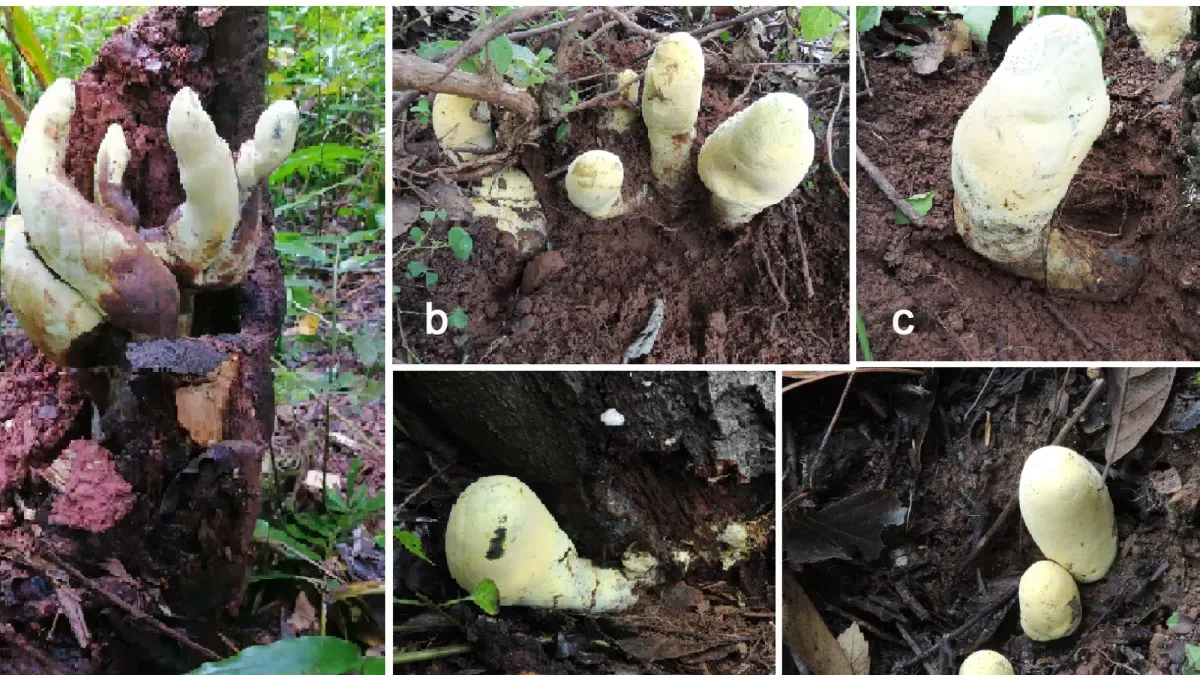
When ‘T. rex’ died, a new giant fungus named ‘D-rex’ took over - Popular Science
Image: Song et. al ‘Frontiers in Fungal Biology,’ 2026 It’s a fungi-filled world and we are just living in it. There are roughly 150,000 to 157,000 known species of fungi, and now there is a new giant species to add to that tally.

This Dangerous Fungus Has Become Resistant to Every Major Antifungal Drug We Have... Twice - ScienceAlert
There's a new fungus amongus, and it's raising red flags among health care experts because it resists all the major antifungal treatments. The discovery involves Candidozyma auris (formerly known as Candida auris), an emerging fungal pathogen that has already become a serious problem in hospitals around the world. Since it was first described in 2009, this fungus has spread to more than 60 countries across six continents, causing healthcare-associated outbreaks and invasive infections, with mortality rates of 30–50 percent reported in some situations. The fungus can persist in healthcare environments and spread easily between patients. Because of its combination of antifungal resistance and potential for wider spread, the World Health Organization designated C. auris a critical-priority fungal pathogen in 2022. But the particular strain of this fungus described in a new paper has something especially troubling going for it: laboratory testing found it resistant to all four major classes of antifungal drugs. The isolate was recovered from a 28-year-old woman who developed a hospital-acquired surgical-site infection after elective surgery at a hospital in Nairobi, Kenya.

Scientists find new way to disarm deadly fungus - Qazinform
The study, published in Nature Microbiology, examined gladiolin, a bacterial antibiotic whose effects against fungal infections had previously been poorly understood. The researchers found that gladiolin can cause Candida albicans to switch from its aggressive, thread-like form, known as hyphae, back to its round yeast form. The hyphae allow the fungus to invade and damage human tissue and contribute to the formation of drug-resistant biofilms.
0 comments
No comments yet. Be the first to share your thoughts!