“I knew there was something going on.” Orangutans heard ‘gossiping’ in Borneo forest. Here’s what they’re saying - BBC Wildlife Magazine
This story deserves to be shared
Send it to someone who'd care, or post it on your networks.
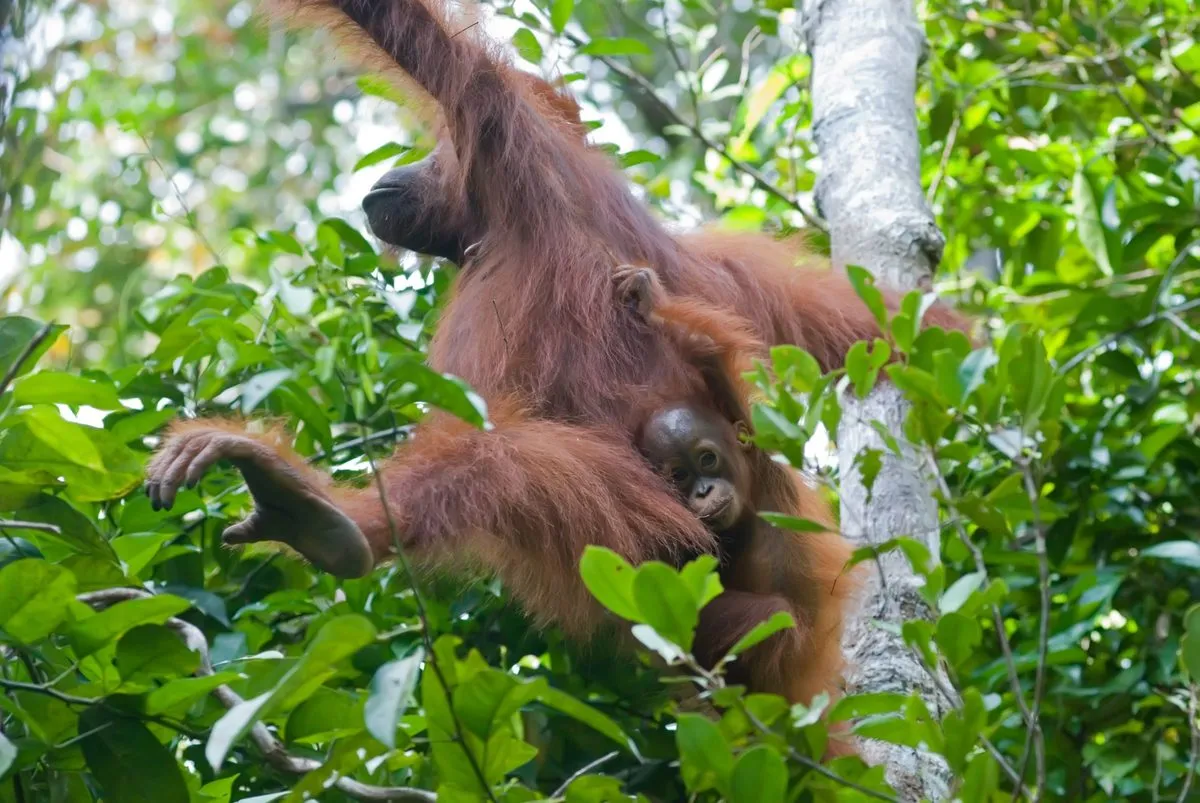
Orangutans are one of the most solitary species of great apes – but a long-term study has discovered that orangutan mothers will interrupt their solitude to make sure their offspring have ‘playdates’.
The findings, published in the journal PNAS, reveal that mothers look for opportunities for their young to play with similarly-aged playmates – travelling further away from their ‘core’ area and towards another mother’s core area to do so.
This article is an excerpt. To read the full content, visit the original source. BBC Wildlife Magazine
Related articles
[Science Through Covers] Young orangutans learn ‘spoon-feeding’ through lessons and review - DongA Science
This week’s cover of the international journal 'Science' features a young orangutan striking an awkward pose as it imitates an adult orangutan. An international research team from the Max Planck Institute of Animal Behavior in Germany, Universitas Nasional (UNAS) in Indonesia, and the University of St Andrews in the United Kingdom analyzed how young Sumatran orangutans (scientific name Pongo abelii) acquire new behaviors as they grow, through social relationships and individual exploration, and published their findings on the 24th (local time) in the journal 'Science'.
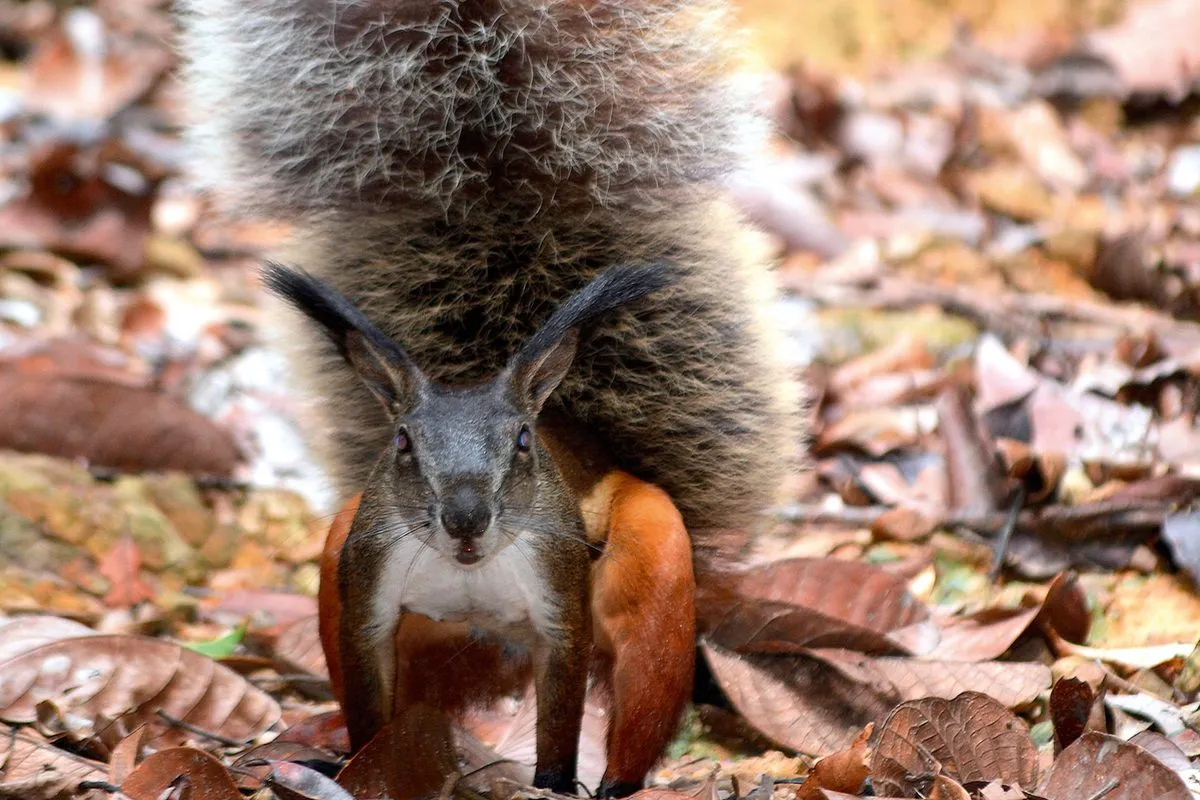
"Cold-blooded killer": The strange rise of Borneo's 'vampire squirrel' - BBC Science Focus Magazine
You know when you stare at cute things for too long and they start to look creepy? I’m thinking garden gnomes, baby dolls, any child in a princess outfit and all cats. Well, now there’s another one to add to the list. The tufted ground squirrel (Rheithrosciurus macrotis) might look bright-eyed and bushy-tailed, but according to the Dayak hunters of Borneo where it lives, it’s a cold-blooded killer.
0 comments
No comments yet. Be the first to share your thoughts!