'I expected life. But not this': Experts are uncovering a trove of very strange creatures hiding under Antarctica - BBC Science Focus Magazine
This story deserves to be shared
Send it to someone who'd care, or post it on your networks.
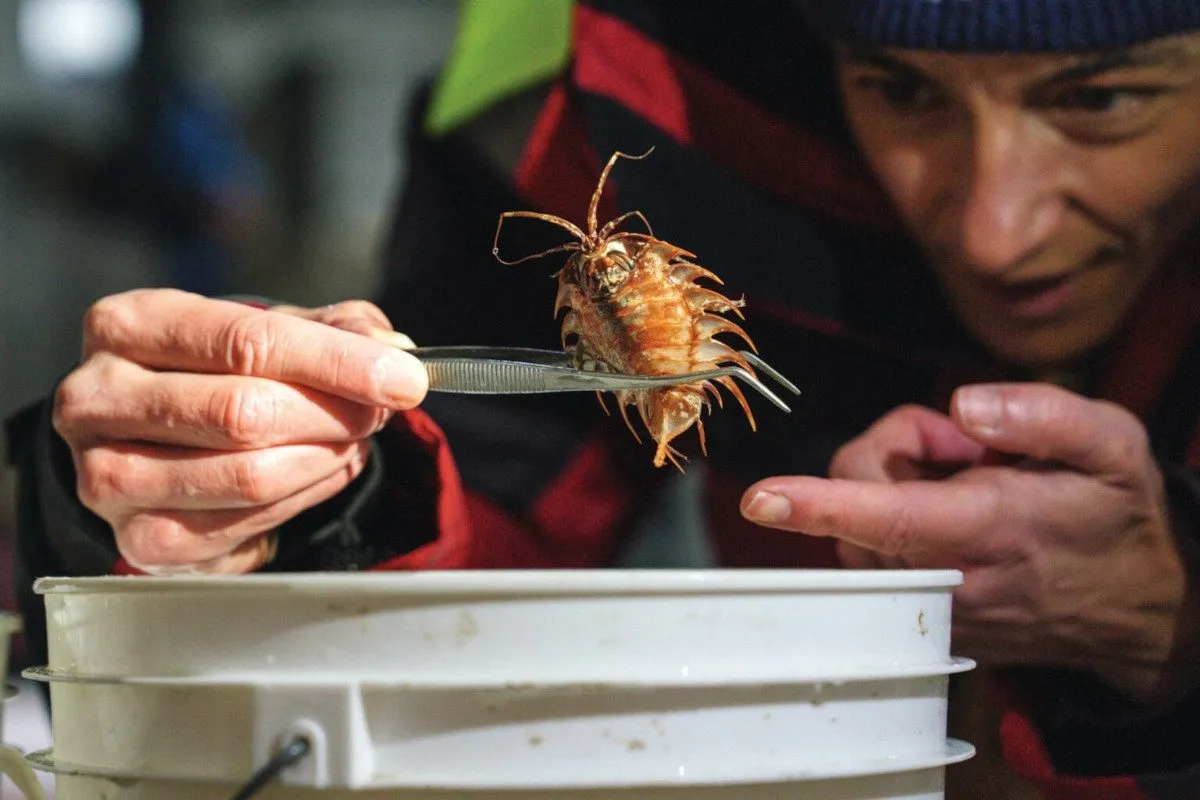
Very little of our planet remains truly unexplored, and most of what's still untouched is at the South Pole. Almost all of Antarctica – along with large swathes of the ocean around it – is covered by ice that is hundreds, if not thousands, of metres thick.
Space may be the final frontier, but Antarctica is its close rival.
This article is an excerpt. To read the full content, visit the original source. BBC Science Focus Magazine
Related articles
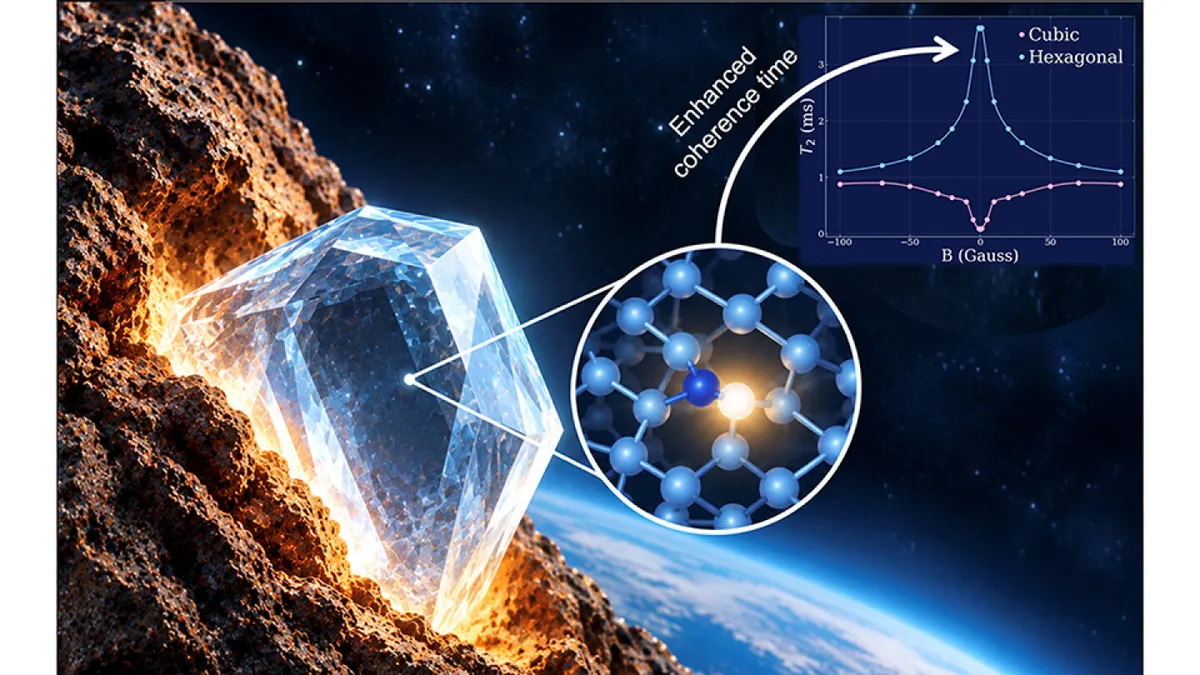
Uncovering long coherence times in the nitrogen vacancy centers of hexagonal diamonds - AIP.ORG
A distinct nitrogen-vacancy configuration in hexagonal diamonds is predicted to have longer coherence times, yet similar electronic properties to vacancy centers in cubic diamonds. Uncovering long coherence times in the nitrogen vacancy centers of hexagonal diamonds lead image
11 vibrant deep-sea creatures shine in new Caribbean expedition - Popular Science
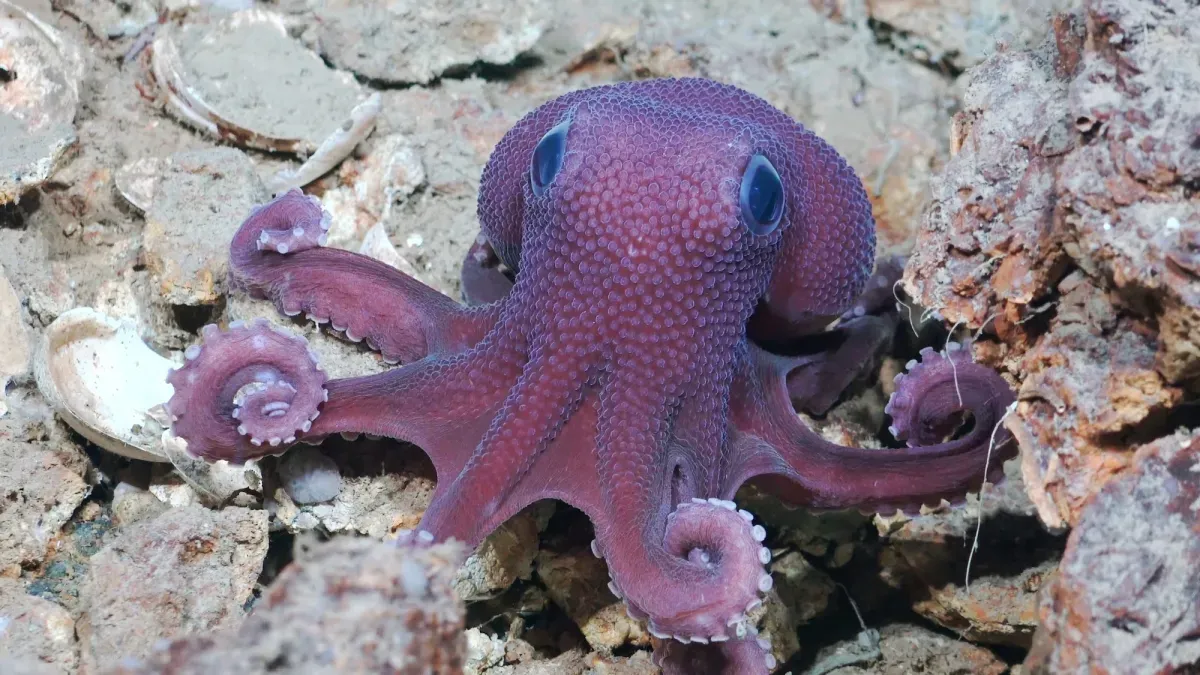
A Graneledone octopus, a suspected new species, moves across the seafloor during a deep-sea ocean expedition off the coast of Trinidad and Tobago. This species was first observed during an expedition Dr. Diva Amon (SpeSeas) participated in 2014, but was not confirmed or collected until this mission. Researchers made dozens of other discoveries on the trip, including at least 20 suspected new species, three of which may be new genera. Marine biologists from Trinidad and Tobago recently completed the first locally helmed and most expansive survey of the deep-sea waters around the Caribbean islands. The month-long project aboard Schmidt Ocean Institute’s research vessel (R/V) Falkor (too) documented around 13 percent of the nation’s marine territory, and described 20 potential new species. Researchers also collected over 700 specimens for the University of the West Indies, St. Augustine. Once catalogued, the additions will increase the size of the university’s Zoology Museum deep ocean collection by 12 times.
Small Creatures, Big Mission: Bugapalooza Connects Science to Military Readiness - U.S. Department of War (.gov)
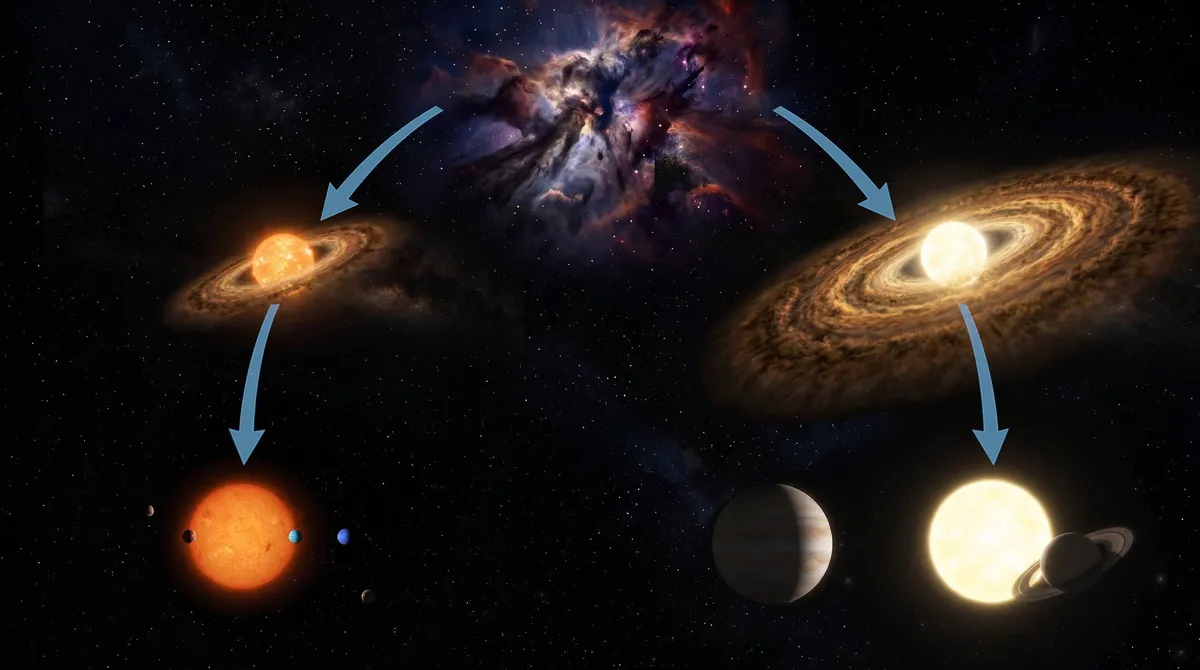
Some Planetary Systems Are Born for Chaos. Astronomers Think They Know Why - ZME Science
Illustration of the genetic link between stellar properties and planetary system architectures. Credit: INAF / Universitat de València / image generation. For most of human history, planetary systems were a sample size of one. Ours. Then people learned about Mercury, Venus, Mars, Jupiter, and Saturn since antiquity, tracking their movements for generations. Uranus joined the planetary roster in 1781 thanks to the telescope, followed by Neptune in 1846, but every planet we discovered still belonged to the same family orbiting our Sun.
0 comments
No comments yet. Be the first to share your thoughts!