I-124 Evuzamitide PET/CT Highly Sensitive, Specific in Amyloid Detection - HCPLive
This story deserves to be shared
Send it to someone who'd care, or post it on your networks.
Mathew Maurer, MD, discusses the results of the phase 3 REVEAL study, which highlighted this novel scanning technology’s capacity for identifying amyloidosis early. I-124 evuzamitide positron emission tomography (PET)/computed tomography (CT) scans are highly sensitive and specific for detecting cardiac amyloidosis, according to results from the REVEAL study.1 These data were presented at the Heart Failure Society of America (HFSA) Annual Scientific Meeting 2026 in Phoenix, Arizona, by Mathew Maurer, MD, the Arnold and Arlene Goldstein Professor of Cardiology at Columbia University Irving Medical Center, Vagelos College of Physicians & Surgeons.1“We think that this could be a very useful way to not only diagnose amyloid but diagnose it in a more sensitive and potentially more specific manner than currently available imaging,” Maurer told HCPLive in an exclusive interview. “And, importantly, at a time when the patient doesn’t have advanced cardiac amyloid, when drug therapy is most effective.”REVEAL was a phase 3, open-label, multicenter study of I-124 evuzamitide as an imaging agent to diagnose cardiac amyloidosis.
This article is an excerpt. To read the full content, visit the original source. HCPLive
Related articles
Lab-designed molecule reduces amyloid beta, the protein linked to Alzheimer's disease, in mice - Medical Xpress
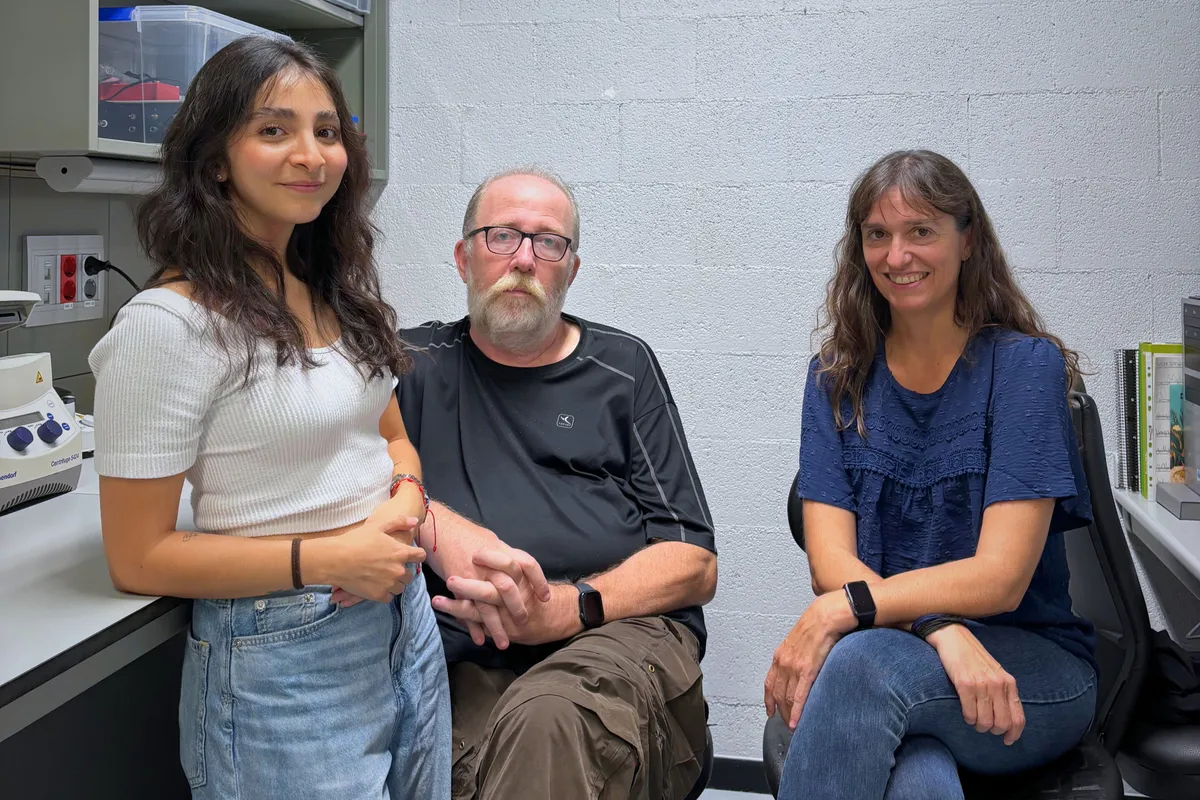
A research team led by the Molecular and Cellular Neurobiotechnology group at the Institute for Bioengineering of Catalonia (IBEC), in collaboration with Míriam Royo's laboratory at the Institute for Advanced Chemistry of Catalonia (IQAC-CSIC), the University of Barcelona (UB) and the Institute for Research in Biomedicine (IRB Barcelona), has identified a synthetic peptide that reduces the production of amyloid beta (Aβ).
Gut Microbiome and Aging: How Gut Bacteria Influence Health and Longevity - News-Medical
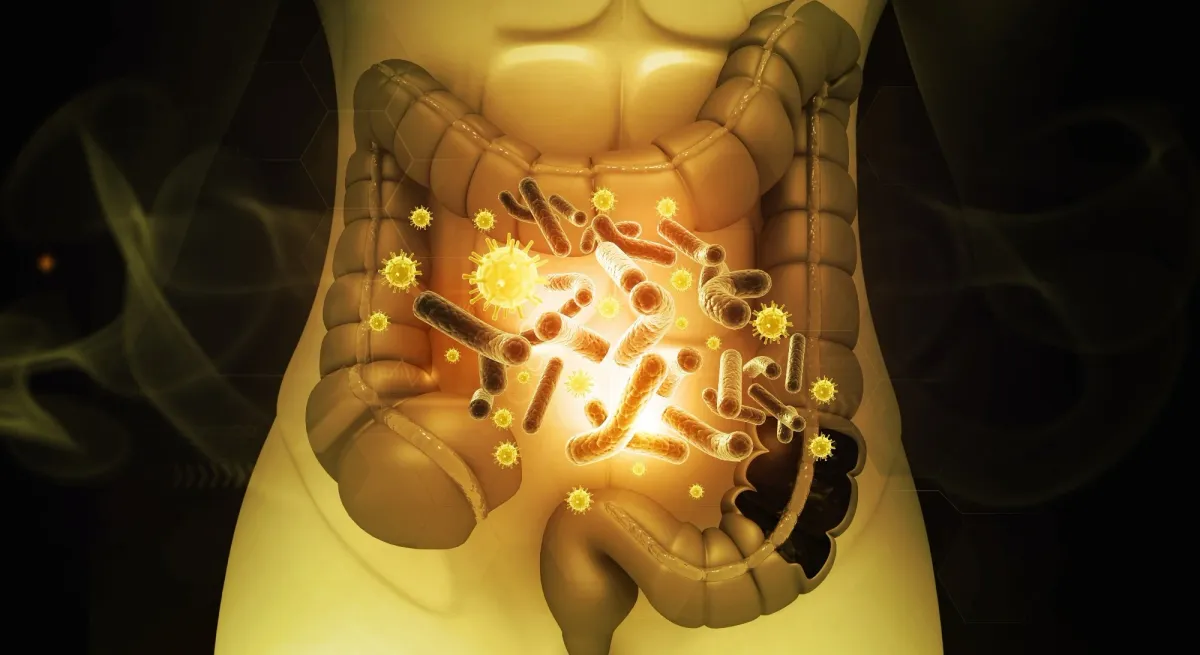
IntroductionHow does the gut microbiome change as we age? The link between gut microbiome changes and inflammationGut microbiome and age-related health conditionsCan the gut microbiome be targeted to promote longevity? From microbial shifts in later life to the distinctive gut communities of centenarians, researchers are investigating what the intestinal microbes reveal about how people age.

GLP-1 Drugs and Obstructive Sleep Apnea: How Weight Loss Medications Improve Breathing During Sleep - News-Medical
IntroductionClinical trial evidenceFDA approval and regulatory developmentsCardiometabolic and secondary benefitsFuture directionsReferences What can treatments targeting weight and metabolism offer people with obstructive sleep apnea, and which questions must clinical trials still answer?
Fatty liver disease is actually five different conditions, scientists discover - Science Daily
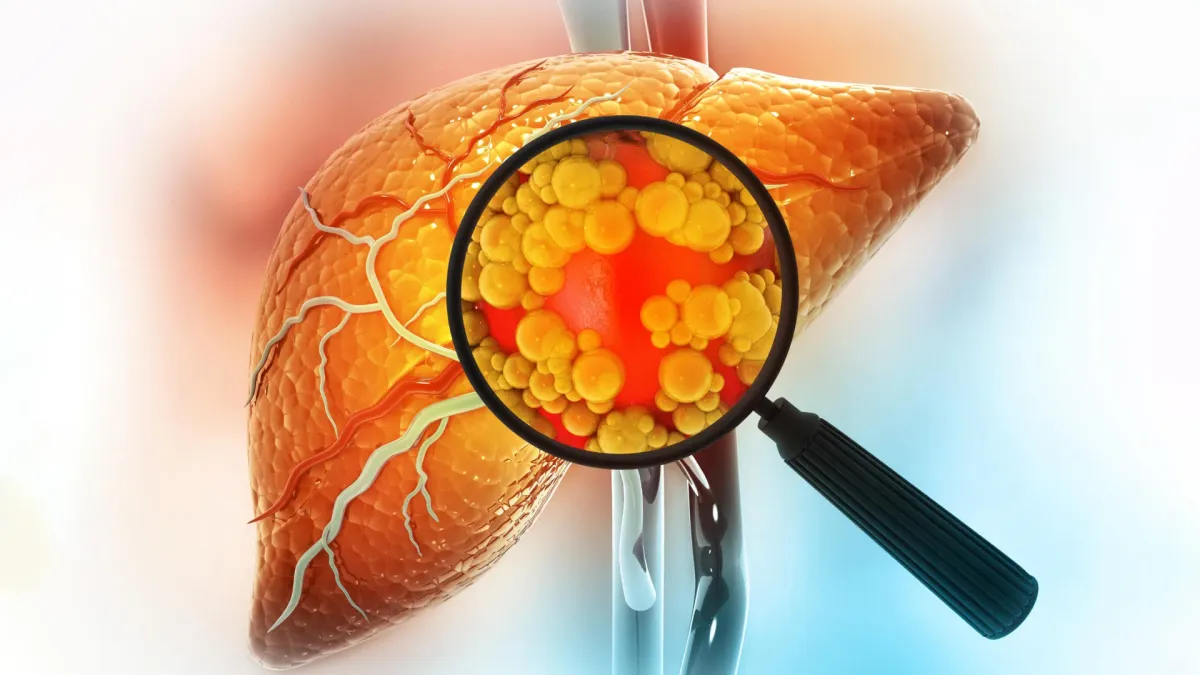
A common liver disease affecting nearly 30% of adults worldwide is far more complex than previously understood. Researchers at Mayo Clinic have identified five biologically distinct forms of the condition, each associated with different risks of serious health complications, including heart disease, liver failure, cancer, and the need for a liver transplant. The findings, published in Nature Communications, come from a collaboration between Mayo Clinic and Virginia Tech. Scientists discovered that metabolic dysfunction-associated steatotic liver disease, or MASLD, can develop through several different biological pathways. Some are closely connected to obesity and diabetes, while others appear to be driven by inherited genetic differences.
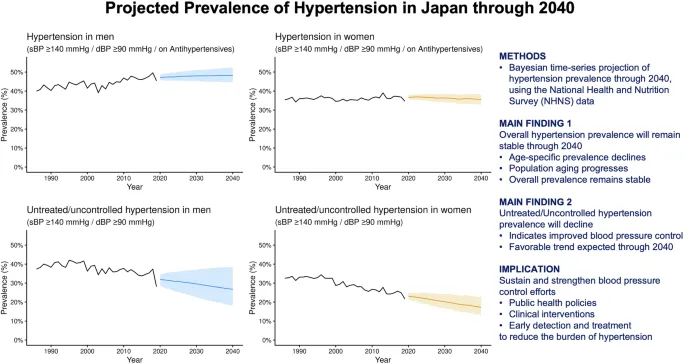
Projected prevalence of hypertension and untreated/uncontrolled hypertension in Japan through 2040 - Nature
IntroductionHypertension is a major global health concern and a leading cause of morbidity and mortality [1]. It is estimated that more than 19 million annual deaths are attributed to cardiovascular disease (CVD) worldwide [2]. In Japan, high blood pressure (BP) has been consistently identified as a strong risk factor for the national burden of CVD, in terms of notable incidence, mortality, direct/indirect healthcare costs, and quality-adjusted life years (QALYs) associated with this condition [3, 4]. Although age-specific mean BP declined in Japan over recent decades [5], hypertension remains a critical public health issue, particularly because of the rapid aging population. The proportion of individuals aged ≥65 years is projected to reach approximately 35% by 2040 in Japan [6], highlighting a potentially higher future burden of hypertension in this country. While the prevalence of hypertension increases with age, population aging may offset the benefits of declining BP levels in each age group. As a result, the future burden of hypertension in Japan remains uncertain.

NHCS launches centre to advance cardiovascular research for Asian patients - Healthcare Asia Magazine
It also established a $2.5m professorship to support its cardiothoracic surgery leadership. The National Heart Centre Singapore (NHCS) has launched a centre to develop cardiovascular disease models using heart cells derived from Asian patients. The Centre for Integrative Human Cell Research and Translation (CIPHER), launched on 16 October, uses blood samples from Asian patients to grow heart muscle cells for disease research and drug testing. It is the first centre in Singapore dedicated to cardiovascular research using this approach. NHCS also announced the establishment of the Tong Ming Chuan Professorship in Cardiothoracic Surgery, the first professorship in the field under the SingHealth Duke-NUS Academic Medical Centre (AMC). CIPHER aims to address gaps in cardiovascular research, as some heart conditions develop earlier and present differently in Asian populations than in Western populations. Many treatments have historically been developed using models that do not fully reflect Asian biology. The centre uses blood samples to generate induced pluripotent stem cells, which are developed into heart muscle cells carrying features of each patient’s disease.
0 comments
No comments yet. Be the first to share your thoughts!