How the body really ages: 7 million cells mapped across 21 organs - Science Daily
This story deserves to be shared
Send it to someone who'd care, or post it on your networks.
This article is an excerpt. To read the full content, visit the original source. Science Daily
Related articles

How Badly Does Smoking Wreck Your Reproductive Organs? Here's What the Science Says. - VICE
It’s weird to think there was a time when people didn’t logically assume that inhaling cigarette smoke several times a day didn’t have some kind of native effect on the body. Some doctors even recommended smoking at one point. Now we know smoking causes a range of issues, like cancer and emphysema. But those are the broad implications that affect everyone. According to new research, cigarettes can impact our reproductive organs, but those impacts may affect men and women differently. A study published in Frontiers in Toxicology by researchers at the Universities of Nottingham and Sheffield looked at how cigarette smoke extract affected male and female mice over twelve weeks. The team found that while tobacco smoke wrecks reproductive health across the board, regardless of whatever factors you threw in front of it, it does operate through distinct biological routes depending on sex.

Human brain is two separate organs, Stanford Medicine-led research finds - Stanford Medicine
For centuries, scientists have thought of the brain as a single, unified organ. But new research led by Stanford Medicine reveals that what we call the brain is two distinct organs that evolved independently over hundreds of millions of years. The discovery overturns a prevailing model of brain development. For decades researchers have subscribed to the theory that there is a single progenitor cell early in development that gives rise to the entire brain. This model suggested all parts of the brain shared a common developmental origin.
Scientists Say Your Organs Don’t Grow Old Slowly—They Age in Two Sudden Bursts. Here’s When. - Popular Mechanics
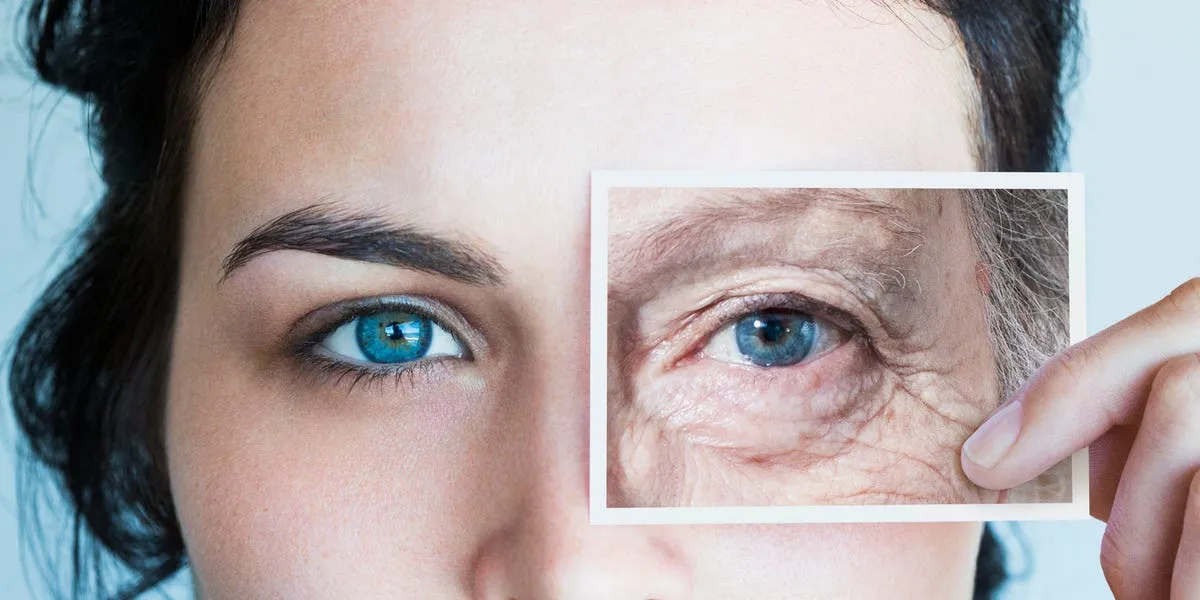
Here’s what you’ll learn when you read this story:The human body doesn’t age steadily—instead, organs largely experience two phases of rapid aging, also known as biphasic aging. A new study found that while some tissues, such as vascular, uterine, or vaginal tissue, don’t follow this two-phased aging, most do. Scientists reached this conclusion by developing a deep-learning model called Pathology-based Structural Aging Rate (PathStAR) to extract underlying tissue structure from 25,000 organ images in a public database and then plot molecular changes over time. Time is an incredibly complex concept that we tend to define in simple terms. Time marches inexorably forward—second by second, day by day, decade by decade—but if you plug Albert Einstein’s Special Theory of Relativity into this conceptualization, things suddenly aren’t so simple. In some ways, the same can be said for aging. Every year we add more candles to the birthday cake, but like time, this steady progression of aging is just a conception, not physical reality.
0 comments
No comments yet. Be the first to share your thoughts!