How PCOS Became PMOS - McGill University
This story deserves to be shared
Send it to someone who'd care, or post it on your networks.
This article is an excerpt. To read the full content, visit the original source. McGill University
Related articles
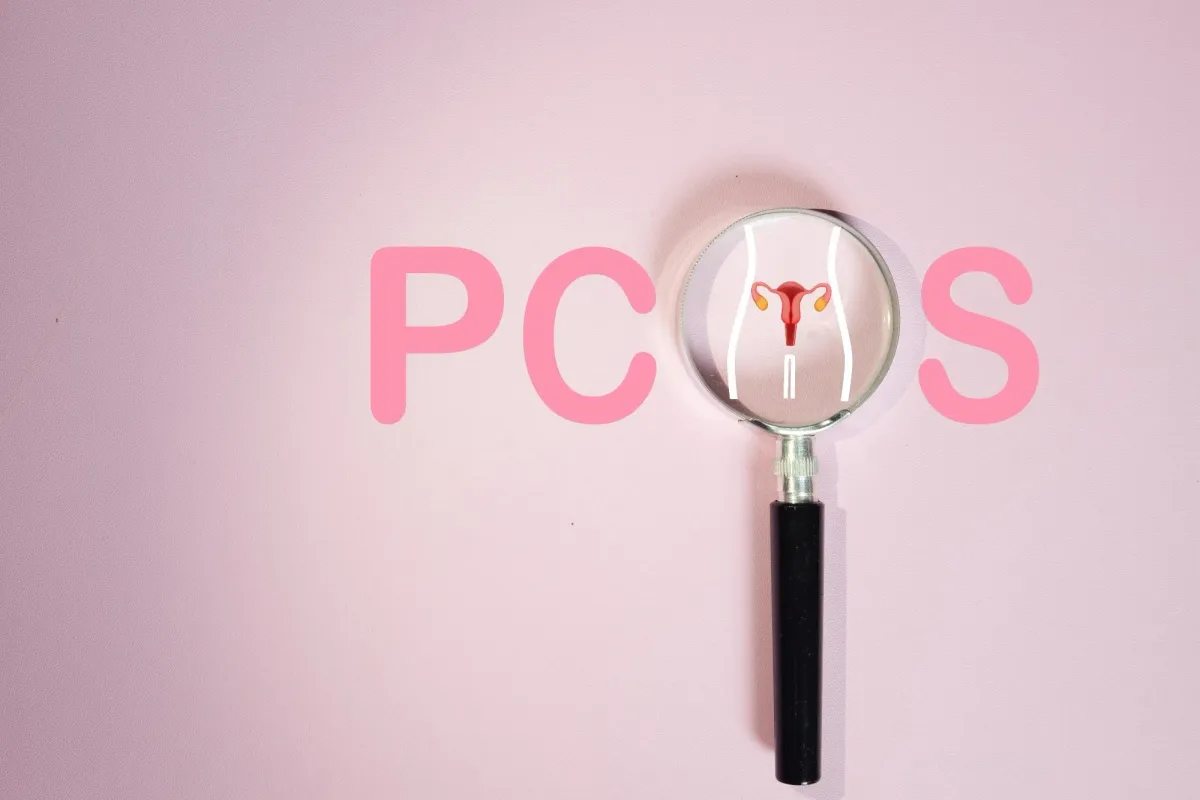
How GLP-1 Medications Affect PCOS, Fertility, and Pregnancy - News-Medical
IntroductionPathophysiology of PCOS and reproductive dysfunctionMechanistic rationale for GLP-1 in fertility improvementEffects on metabolic and hormonal parametersEvidence on fertility and pregnancy outcomesPreclinical and translational evidenceSafety and pregnancy considerationsLimitations and research gapsReferences Weight, insulin, and ovarian hormones connect PCOS with infertility, raising questions about where GLP-1 therapies could fit in reproductive care.

Finding neuroheterogeneity’s sweet spot - The Transmitter
Neurons are a motley crew, varying widely in connectivity and firing properties. But computational models of the brain usually treat neurons as identical. “The convention in the field is homogeneity,” says Scott Rich, assistant professor at the University of Connecticut. Heterogeneity makes models mathematically complex and unwieldy, so researchers have shied away from incorporating it, he says. “But it shouldn’t be [omitted] if we really want to understand how the brain works.”
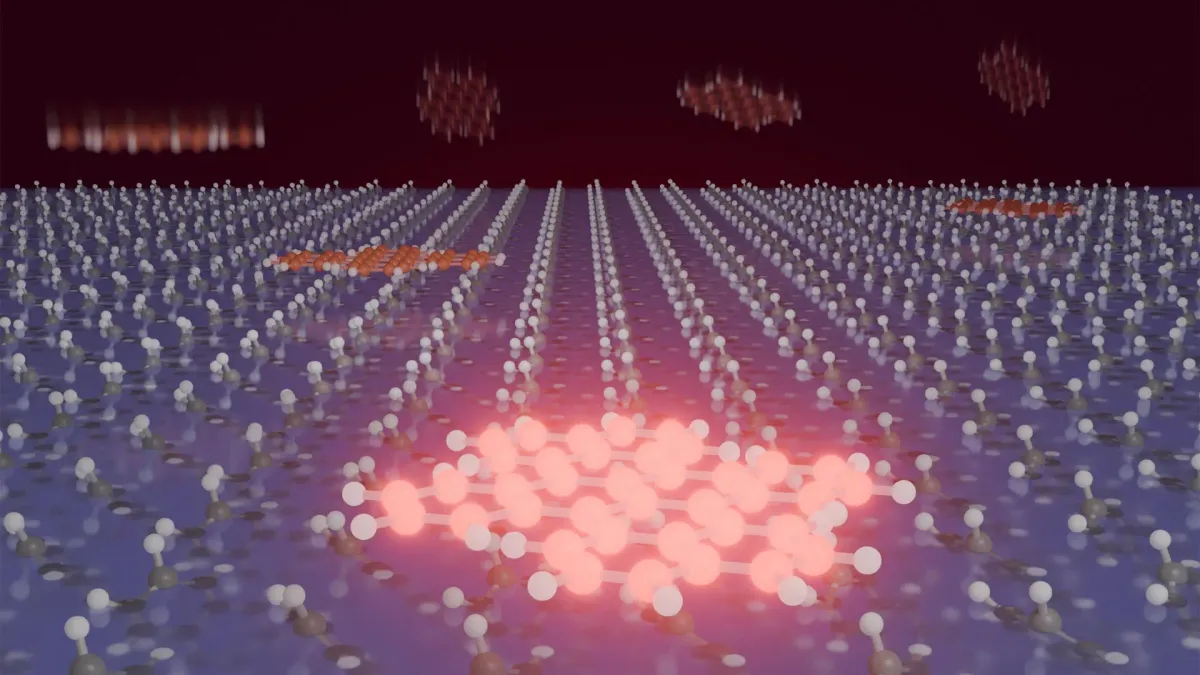
Scientists reach the ultimate quantum limit on a surface - Science Daily
Scientists at the Max Planck Institute for the Science of Light (MPL) have achieved a breakthrough in quantum physics, developing a way to study individual molecules on a surface with extraordinary precision. For the first time, researchers have demonstrated that molecules attached to a surface can reach the ultimate quantum limit of optical coherence, overcoming a major obstacle that has long restricted molecular quantum research. The findings, published in Science, could open new possibilities for investigating how molecules interact with surfaces and developing advanced quantum technologies.
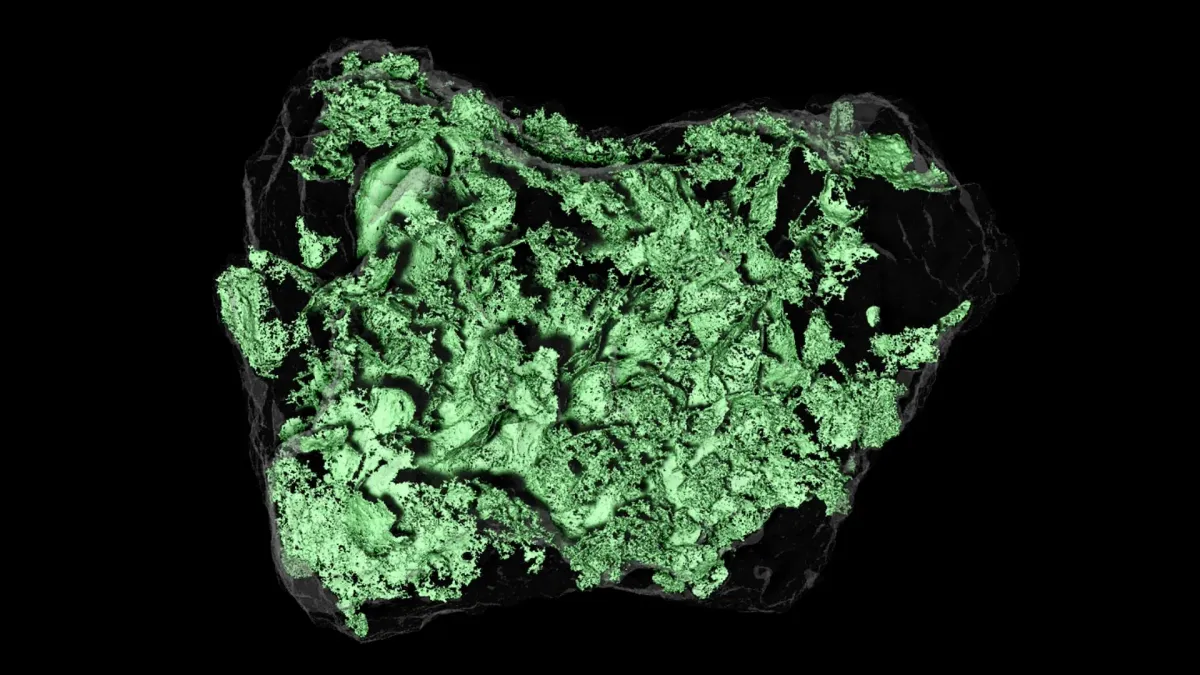
NASA solves a strange mystery hidden inside asteroid Bennu’s boulders - Science Daily
NASA's OSIRIS-REx mission encountered an unexpected mystery when it arrived at asteroid Bennu in 2018. Instead of the relatively smooth terrain that earlier observations had suggested, the spacecraft found a rugged landscape dominated by enormous boulders, with very few areas suitable for collecting samples. "When OSIRIS-REx got to Bennu in 2018, we were surprised by what we saw," said Andrew Ryan, a scientist at the University of Arizona's Lunar and Planetary Laboratory, who led the mission's working group responsible for analyzing the physical and thermal properties of its samples. "We expected some boulders, but we anticipated at least some large regions with smoother, finer regolith that would be easy to collect. Instead, it looked like it was all boulders, and we were scratching our heads for a while. "
0 comments
No comments yet. Be the first to share your thoughts!