How overhead projectors took over your classroom - The Verge
This story deserves to be shared
Send it to someone who'd care, or post it on your networks.
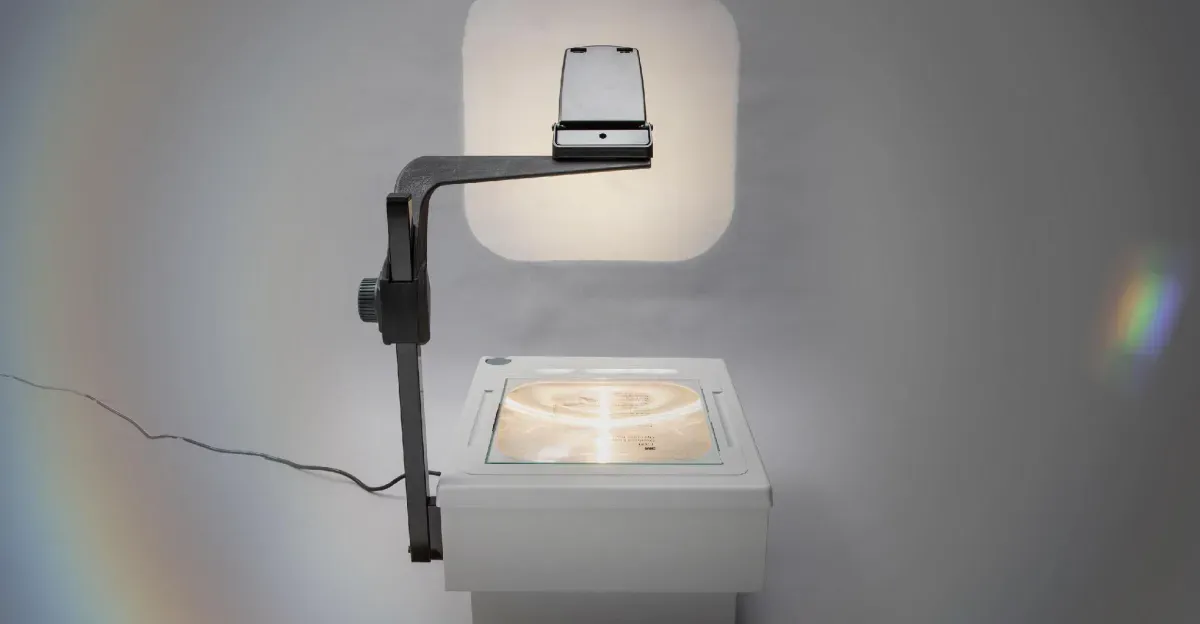
David Pierce is editor-at-large and Vergecast co-host with over a decade of experience covering consumer tech. Previously, at Protocol, The Wall Street Journal, and Wired. It used to be so easy to get away with things in school. The teacher, after all, was always turned around writing at the chalkboard! But then came a bit of technology, previously mostly used for military purposes, called the overhead projector. It would change far more than just the disciplinary record of students everywhere. In this episode of Version History, we tell the story of the overhead projector. David Pierce is joined by The Verge’s Jake Kastrenakes and Stanford professor Antero Garcia to discuss how overhead projectors were developed, how they made their way into classrooms, and how they changed so much about the way kids learn. They also try to figure out why overhead projectors have mostly gone away, and whether the things that replaced them — from PowerPoint presentations to computer screens to those new-fangled smart boards — actually improved on the OHP. This is the final episode of the fifth season of Version History, all about the most iconic school tech.
This article is an excerpt. To read the full content, visit the original source. The Verge
Related articles
Error Mitigation Cuts Sampling Overhead For Quantum Circuits - Quantum Zeitgeist
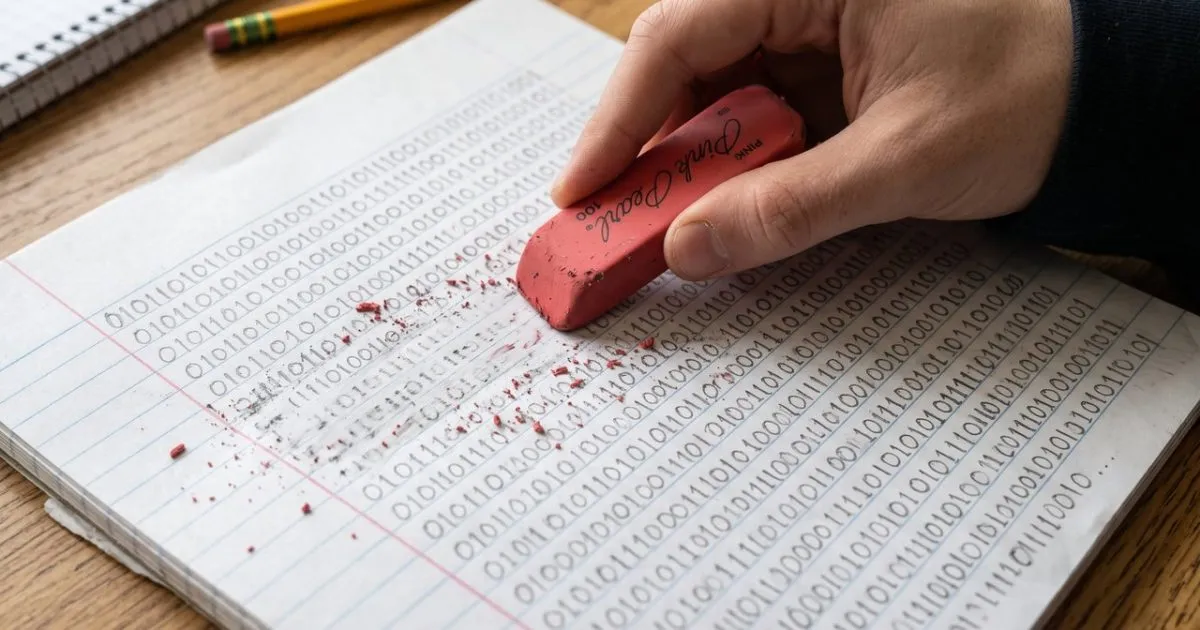
Researchers at Google Quantum AI and Cornell University have demonstrated a new error mitigation technique that surpasses existing methods by operating entirely in classical post-processing. Their work introduces virtual error cancellation, a method that reduces sampling overhead by using only syndrome records from quantum circuits, bypassing the need for prior noise characterization and modified circuits. Numerical simulations using a distance-7 rotated surface code show the full-stack dual-decoder algorithm achieves more than three orders of magnitude of suppression in error rate compared to standard decoding. This approach operates entirely through classical post-processing, offering a streamlined pathway to more reliable computation. The core of this advancement lies in the ability to avoid the typical requirements of noise learning and circuit alterations, both of which add complexity and overhead to quantum error mitigation.
Our curated list of star projectors to turn your home into a planetarium - Space
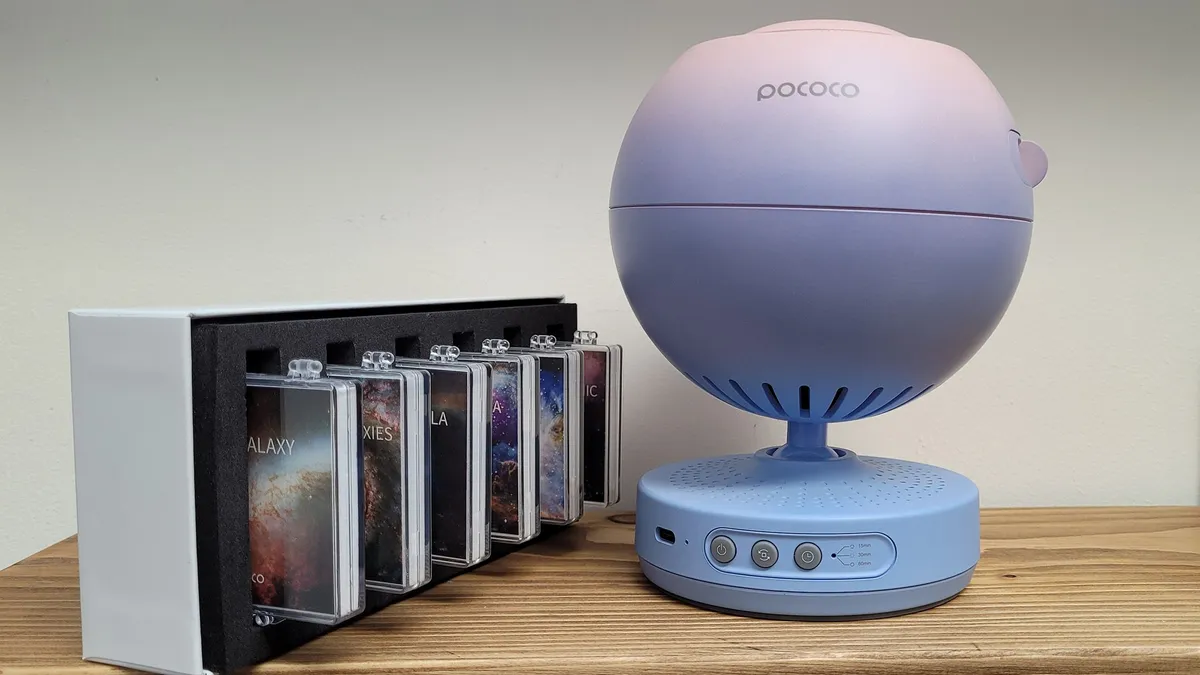
Want a star projector that isn't just mood lighting? We have rounded up six scientifically accurate models that are sure to excite and educate.
Viewsonic VG1457 Portable Monitor Review: More Display in a Lot Less Space - CNET
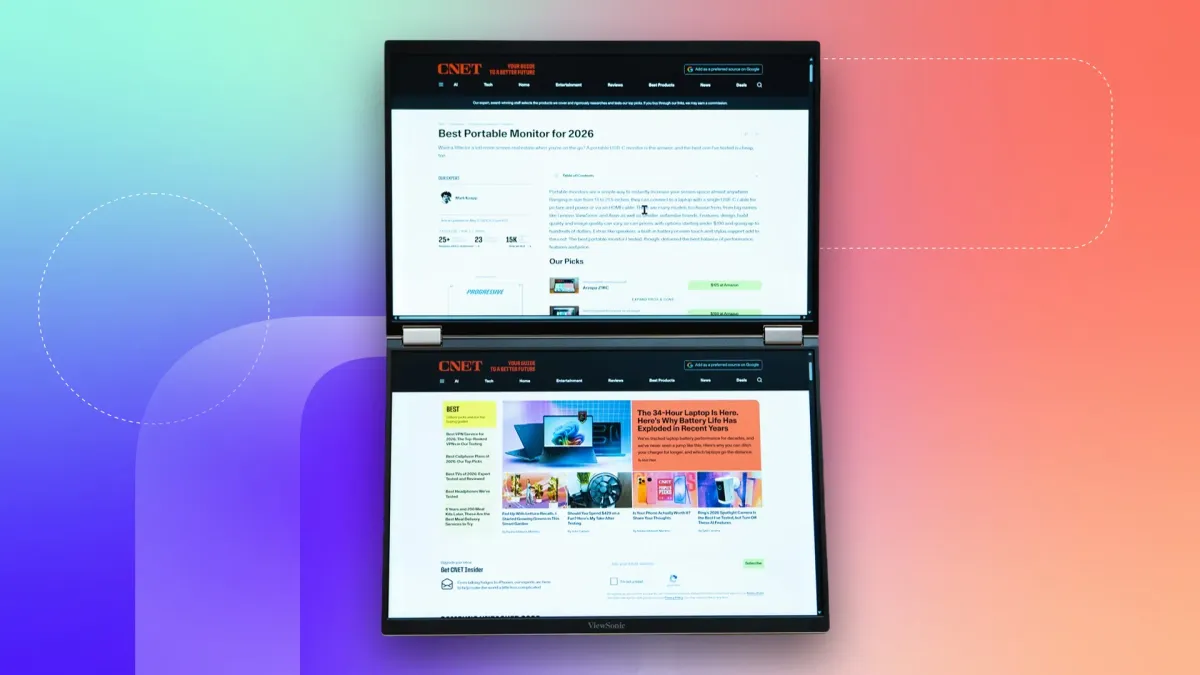
Single-cable connection for two displays 65-watt pass-through power could be limiting
0 comments
No comments yet. Be the first to share your thoughts!