How IFAD’s investments build resilience to future pandemics - IFAD
This story deserves to be shared
Send it to someone who'd care, or post it on your networks.
This article is an excerpt. To read the full content, visit the original source. IFAD
Related articles
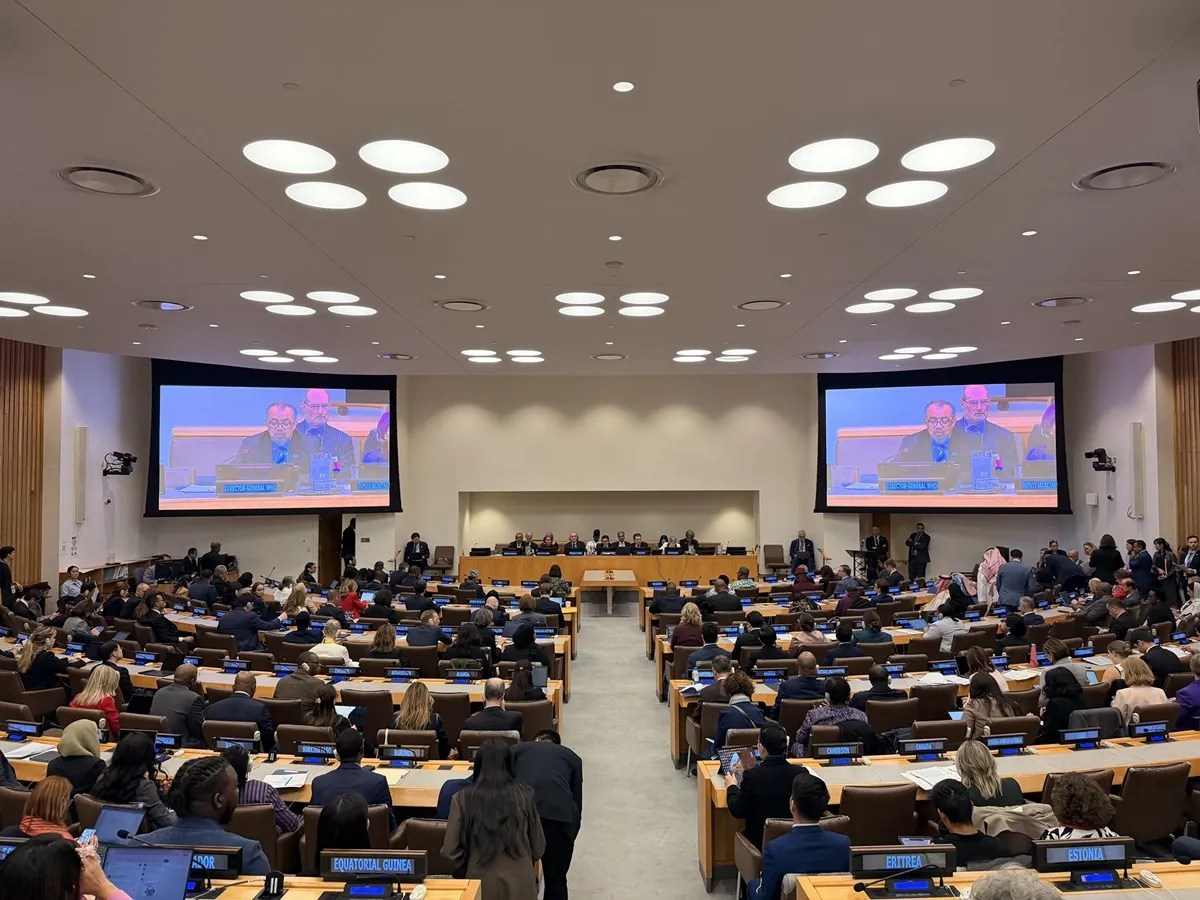
World leaders renew commitment to protect the world from future pandemics - World Health Organization (WHO)
Political leaders meeting at the United Nations General Assembly (UNGA) renewed their commitment to making the world safer from future pandemics, stressing the need for sustained and more equitable investment and action on pandemic prevention, preparedness and response (PPPR). The UNGA today held its second High-level Meeting on PPPR, following its first staged in 2023 in response to the challenges posed by the COVID-19 pandemic and gaps in global health security. Countries stressed that strengthening PPPR is not a health issue alone – it requires a whole-of-government and whole-of-society approach, with involvement of communities and all relevant sectors. Leaders recognized the progress made in the past three years to strengthen global systems to detect, prepare for and respond to pandemic threats, including adoption of the WHO Pandemic Agreement and amendments to the International Health Regulations (2005). Capacities and infrastructure for PPPR have also been scaled up with the establishment of global centres dedicated to epidemic and pandemic surveillance, sharing of pathogens, and local manufacturing of vaccines, treatments and diagnostics.
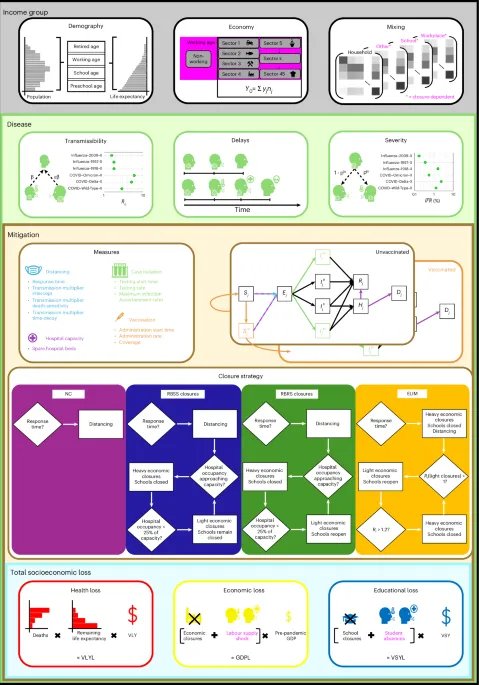
Closure strategies to mitigate future respiratory pandemics - Nature
MainThe coronavirus disease 2019 (COVID-19) pandemic illustrates the societal losses incurred during pandemics, not just to human health1 but also to the global economy2 and to education3, because of both the disease itself and the mitigation measures implemented in response to it, such as mandated business and school closures. COVID-19 will not be a one-off event: the frequency of infectious disease outbreaks is expected to increase over the coming years because of population growth, urbanization, land-use change and climate change4. The growing threat of pandemic occurrence and awareness of the potential magnitude of societal losses are galvanizing debates on how to better prevent, prepare for and respond to future pandemics. Distinct mitigation strategies were observed during the COVID-19 response5, including successful elimination strategies in certain settings6, even though the associated border closures were not in accordance with World Health Organization (WHO) International Health Regulations at the time7.
GM’s core profit rises 22%, beats estimates
General Motors Co.’s GM-N third-quarter results easily beat analyst expectations on the back of resolute shoppers who continue to spring for pricey pickups and SUVs. The company on Tuesday said quarterly earnings before interest and tax, not including one-time items (adjusted EBIT) rose 22 per cent from a year earlier, to US$4.1-billion. That amounted to US$3.70 per share, topping analyst expectations of US$3.63, according to LSEG data. The automaker said it expected to end 2026 with adjusted EBIT in the range of US$14.5-billion to US$15.5-billion, narrowed from previous guidance of US$14-billion to US$16-billion. The company said it remained confident despite inflationary pressures from higher logistics and energy costs, tariffs and other expenses. GM shares fell about 6 per cent in premarket trading. The company said its board approved a multiyear, US$20-billion stock buyback program. GM has bought back about US$29.5-billion of its own shares since 2023, driving down its overall share count to help its per-share profit results. GM in the third quarter sold a higher mix of large pickup trucks and fewer electric vehicles, which helped the bottom line.

How Have Prices Changed Since the Iran War Began?
Gas prices aren't the only thing that's been impacted by the conflict with Iran.
0 comments
No comments yet. Be the first to share your thoughts!