HolyGrail 2.0: Uniting the value chain to advance sorting technology - Ellen MacArthur Foundation
This story deserves to be shared
Send it to someone who'd care, or post it on your networks.
This article is an excerpt. To read the full content, visit the original source. Ellen MacArthur Foundation
Related articles
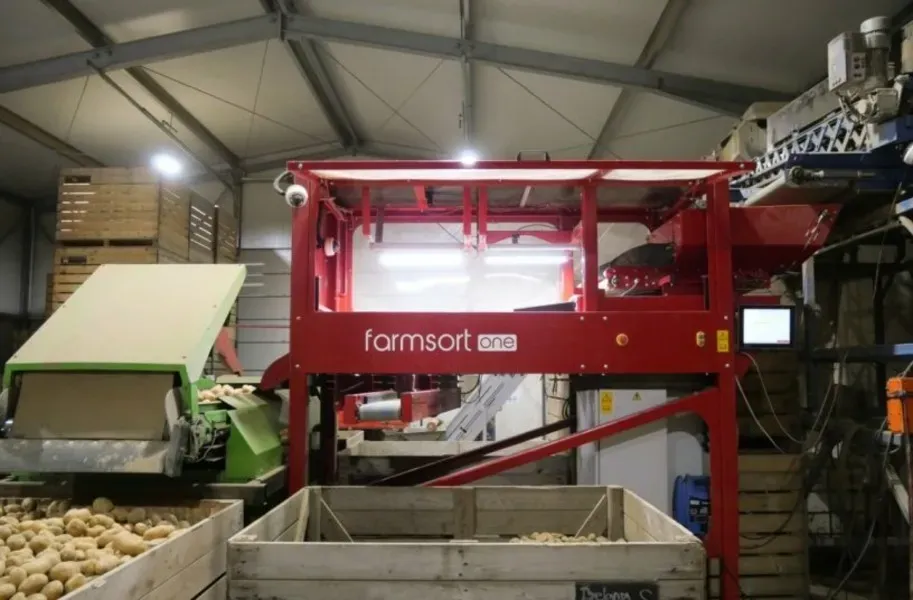
IDS camera technology enables precision potato sorting for professional and family-run farms - Potato News Today
The optical precision sorter uses multiple IDS industrial cameras along a 1.5-metre inspection section to classify potatoes by size and quality, with up to five grades produced in a single pass, according to an article by IDS Imaging Development Systems Ltd, published by Process and Control Today. Rising quality requirements and labour shortages are forcing agricultural businesses to modernise their sorting processes. Those seeking to ensure product quality while reducing the burden on staff need more than a simple pass/fail separation system. What is required is multi-grade sorting that reliably classifies produce by both size and quality and has proven itself in continuous operation. This is precisely where the Farmsort.one optical precision sorter comes in. It brings industrial inspection principles to small and medium-sized agricultural businesses, combining size grading and quality inspection in a single pass. In most cases, it eliminates the need for manual re-sorting altogether.
New cell sorting technology primed to improve USask medical innovation - University of Saskatchewan

CROWN: ctDNA Analyses Help Predict Early Progression With First-Line Lorlatinib in ALK+ NSCLC - OncLive
News|Articles|October 24, 2026 Baseline and on-treatment circulating tumor DNA (ctDNA) features, including TP53 mutations and methylation-based tumor fraction, were associated with early progression or prolonged progression-free survival (PFS) with first-line lorlatinib (Lorbrena) in patients with ALK-positive advanced non–small cell lung cancer (NSCLC), in exploratory analyses of the phase 3 CROWN trial (NCT03052608) presented at the 2026 European Society for Medical Oncology (ESMO) Congress.1Compared with long-term responders, who were progression free at 84 months (n = 30), early progressors, who had a PFS event within 12 months (n = 22), had a higher median number of altered genes at baseline (10 vs 6), a higher median blood-based tumor mutation burden (7.7 vs 5.1), and more frequent TP53 mutations (50% vs 17%). In the lorlatinib arm, the 7-year PFS rate was 65.0% (95% CI, 54.5%-77.4%) in patients with TP53 wild-type disease (n = 73) vs 40.8% (95% CI, 27.3%-61.1%) in those with TP53-mutated disease (n = 43; HR, 0.48; 95% CI, 0.268-0.857); median PFS was not reached (NR) vs 51.6 months (95% CI, 16.4-NR), respectively.

Maha AlDoughaim at LeukO 2026: The New Era of CML Treatment, Remission, and Resistance - Oncodaily
CML treatment has transformed long-term survival, allowing many patients receiving effective TKI therapy to achieve a life expectancy approaching that of the general population. Molecular response milestones guide personalized treatment decisions, helping clinicians assess treatment effectiveness, recognize inadequate responses, and adjust therapy when necessary.
0 comments
No comments yet. Be the first to share your thoughts!