HHS Updates Guidelines for Antiretroviral Treatment of HIV - Contagion Live
This story deserves to be shared
Send it to someone who'd care, or post it on your networks.

The guidelines issued by the Department of Health and Human Services (HHS) have been updated with recent, evidence-based consensus of The Panel for the Use of Antiretroviral Agents in Adults and Adolescents. Guidelines on antiretroviral treatment of HIV issued by the Department of Health and Human Services (HHS) were updated in September to reflect the recent, evidence-based consensus of the Panel for the Use of Antiretroviral Agents in Adults and Adolescents with HIV.1The guidelines do not yet include bictegravir/lenacapavir (Bixlenvo), which was approved by the FDA in August and is currently under review by the Panel for a future update. A new section in the Principles of Antiretroviral Therapy discusses selection and optimization of antiretroviral therapy (ART), and offers considerations in the event of virologic failure.
This article is an excerpt. To read the full content, visit the original source. Contagion Live
Related articles
TheBodyPro | What to know about hepatitis B when switching to tenofovir-sparing antiretroviral regimens - European AIDS Treatment Group
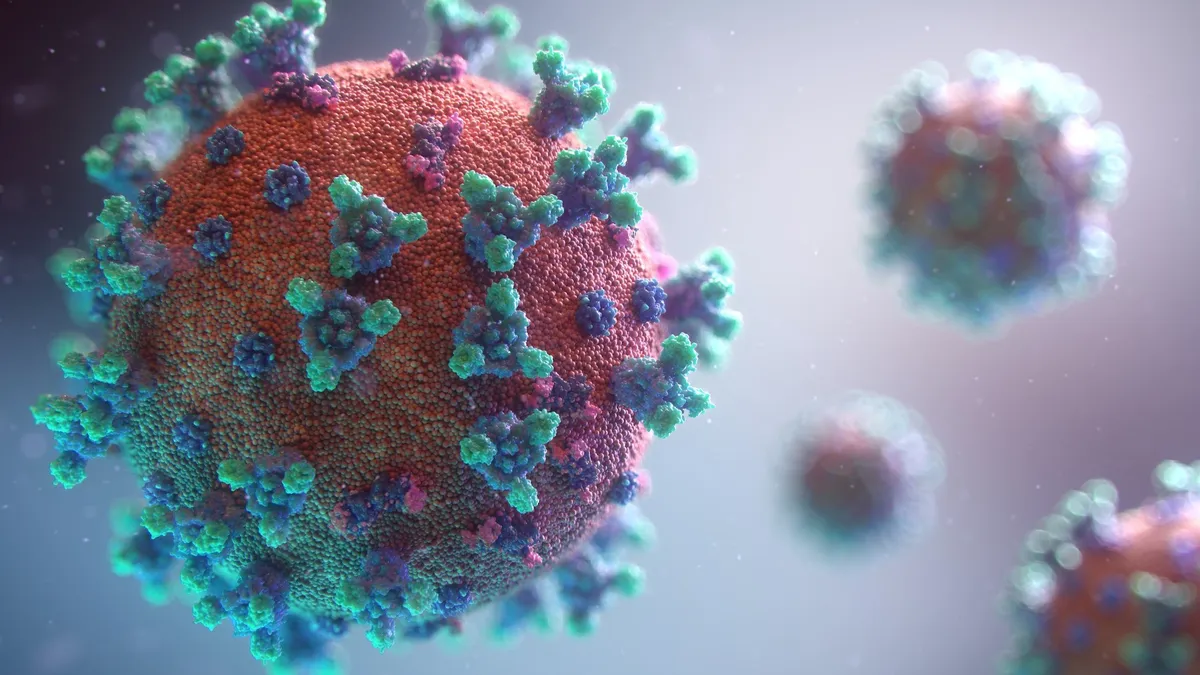
TheBodyPro clinical overviewAs we more frequently prescribe injectables, two-drug therapies, and other novel antiretroviral regimens, a growing proportion of those regimens lack tenofovir. Because tenofovir is used to treat hepatitis B virus (HBV) and is partially protective against new HBV infection, providers need to consider the risk of new or reactivated HBV before switching a patient to a tenofovir-sparing regimen. “I think we are very much in, and entering, an era where increasingly more therapeutic options for antiretroviral therapy and PrEP are going to be without tenofovir,” said H. Nina Kim, M. D., M. Sc., a professor of medicine at University of Washington’s Division of Allergy and Infectious Diseases. Kim co-authored a viewpoint paper this May in Clinical Infectious Diseases highlighting the issue so that clinicians can protect patients against potentially harmful reactivations and new HBV infections. “Many of these reactivations may be subclinical with mild rise in liver enzymes,” Kim said.

Hundreds of health-care workers protest against planned HHS job cuts - CHCH
Hundreds of health-care workers rallied outside Hamilton General Hospital today to protest planned job cuts at Hamilton Health Sciences (HHS). With patients already facing long wait times, workers warn the cuts could put even more pressure on the health-care system.
Karli Bourque earns award for work towards equity and inclusion at HHS - Hamilton Health Sciences
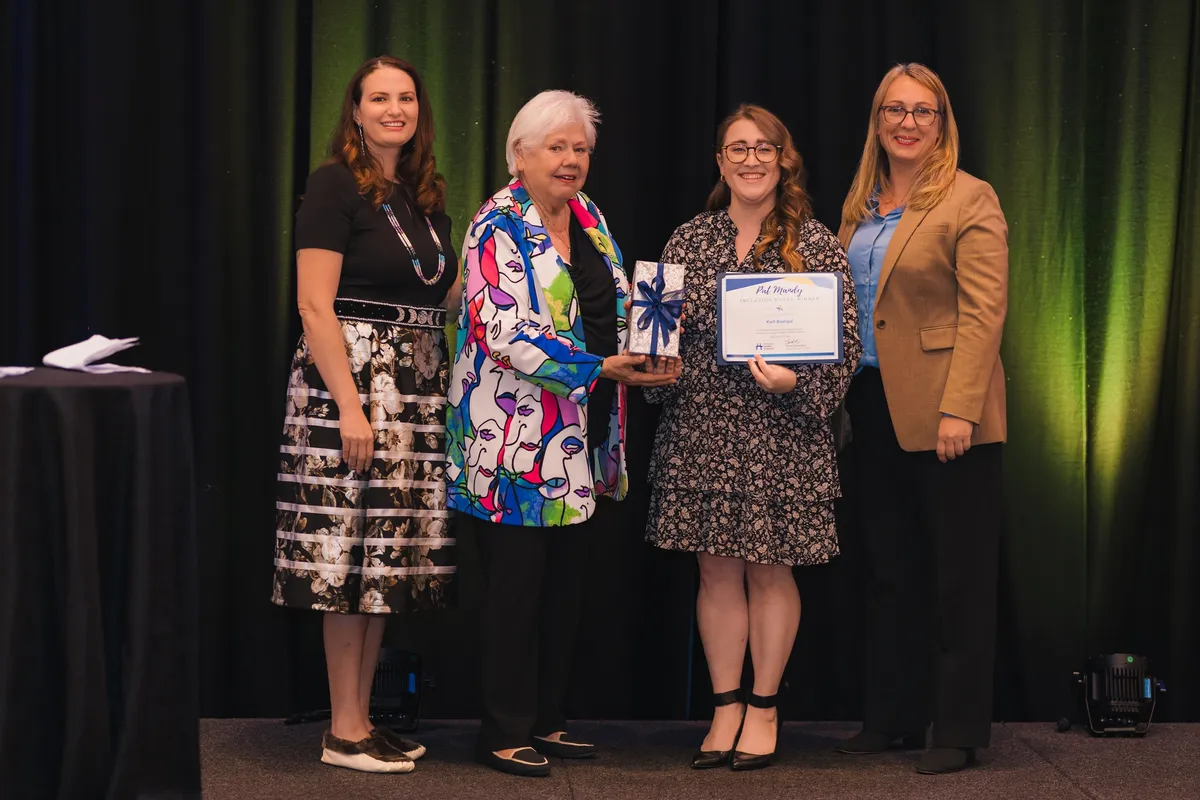
Karli Bourque is the 2026 Pat Mandy Inclusion Award recipient for her work advancing equity, diversity and inclusion at HHS. Pictured is HHS Indigenous Health Manager Elissa Smith, Indigenous leader and former HHS vice-president Pat Mandy, Karli Bourque, and HHS President & CEO Tracey MacArthur. Bourque says equity work isn’t “extraordinary,” it’s the “right thing to do.”

Kids help HHS researchers find best way to treat infection after a ruptured appendix - Hamilton Health Sciences
HHS pediatric surgeon and researcher Dr. Michael Livingston was awarded over $560,000 in direct CIHR funding to lead a national study comparing two types of antibiotics for kids whose appendix have ruptured. The study is called ALPACA-MC, and patients take home a cuddly Alpaca toy in recognition of their participation. HHS wins first direct CIHR grant for national pediatric appendicitis study
0 comments
No comments yet. Be the first to share your thoughts!