Half-Life 3 Rumors Reignite After Valve Employee Lets Codename Slip
This story deserves to be shared
Send it to someone who'd care, or post it on your networks.

Michael McWhertor is a New York-based journalist and editor with more than 20 years of experience covering games, industry events, technology, movies, and TV.
Valve employee reignites Half-Life 3 rumors by dropping 'HLX' codename
This article is an excerpt. To read the full content, visit the original source. Polygon
Related articles

Valve Employee Seemingly Slips Up And Says Rumored Half-Life 3 Codename On Stage
During a recent developer panel dedicated to video game audio, longtime Valve composer Mike Morasky mentioned two of the company’s games while answering a question: Deadlock and “HLX.” The problem: One of those, HLX, is not the name of any officially announced Valve game, but rather is believed by fans to be the internal, non-public codename for the yet-to-be-announced Half-Life 3. Oops! On October 21, as spotted by longtime Valve reporter Tyler McVicker, during GameSoundCon, Valve sound designers David Feise and Carlye Nyte were part of a panel about how sound and music work in Source 2. Also part of that panel was Mike Morasky. And when asked a question about Source 2’s open and flexible sound system and how it connects with other parts of the engine, Morasky casually said this: “And in fact, I think Deadlock has their own version of HDR. You know, HLX has its own version, so on and so forth.” Unless you are someone who has been following the last few years of Valve datamining and leaks, you’ll have no idea what HLX is because it hasn’t been officially announced, teased, or even hinted at by the company at all.

Valve Developer Mistakenly Mentions Rumored Half-Life 3 Codename
Updated: Oct 22, 2026 6:46pm UTCA Valve developer mistakenly slipped up and made mention of Half-Life 3's long-rumored codename during a recent conference. For years, fans have wondered if we'll ever see Half-Life 3. During the 2010s, hope for the threequel was kept firmly alive by die-hard fans... but it was later revealed that the project had been quietly killed by Valve. However, hope was reignited when Valve released Half-Life: Alyx, which ended with a massive cliffhanger that seemed to directly set up Gordon Freeman's next adventure. Ever since then, there have been rumors of a third game, with various dataminers discovering references to a project known as "HLX" in various Valve-related files. It has been believed for years that HLX is indeed Half-Life 3, as no one has been able to link it to any other existing Valve project. (And, of course, the acronym all but screaming that it's Half-Life related.)Now, Valve has acknowleged the project itself, though not on purpose.

Why People Think Valve Just Accidentally Confirmed Half-Life 3
People online are going wild thinking that Valve may have accidentally revealed the existence of a new Half-Life game after a developer mentioned a project referred to as "HLX." Speaking at the Game Sound Con event , Valve sound designer Mike Morasky was discussing how Valve's games utilize high dynamic range (HDR) audio systems. He specifically called out how upcoming Valve game Deadlock has its own version of HDR and so does a project called HLX. Another Valve developer sitting next to Morasky says to him immediately after, "Nice work," seemingly in reference to how Morasky might have spoken out of turn here by mentioning HLX. Morasky is a Valve veteran, having worked on the sound and music for games like Team Fortress 2, Left 4 Dead, Portal 2, Half-Life: Alyx, and Counter-Strike 2. Outside of games, he worked on visual effects for Peter Jackson's The Lord of the Rings movies and The Matrix trilogy. He was a member of the band Steel Pole Bath Tab. A while back, a datamining effort found references to something called HLX, and some think it's a new Half-Life game, or possibly the fabled Half-Life 3 . For what it's worth, it's become something of an annual tradition for people to g
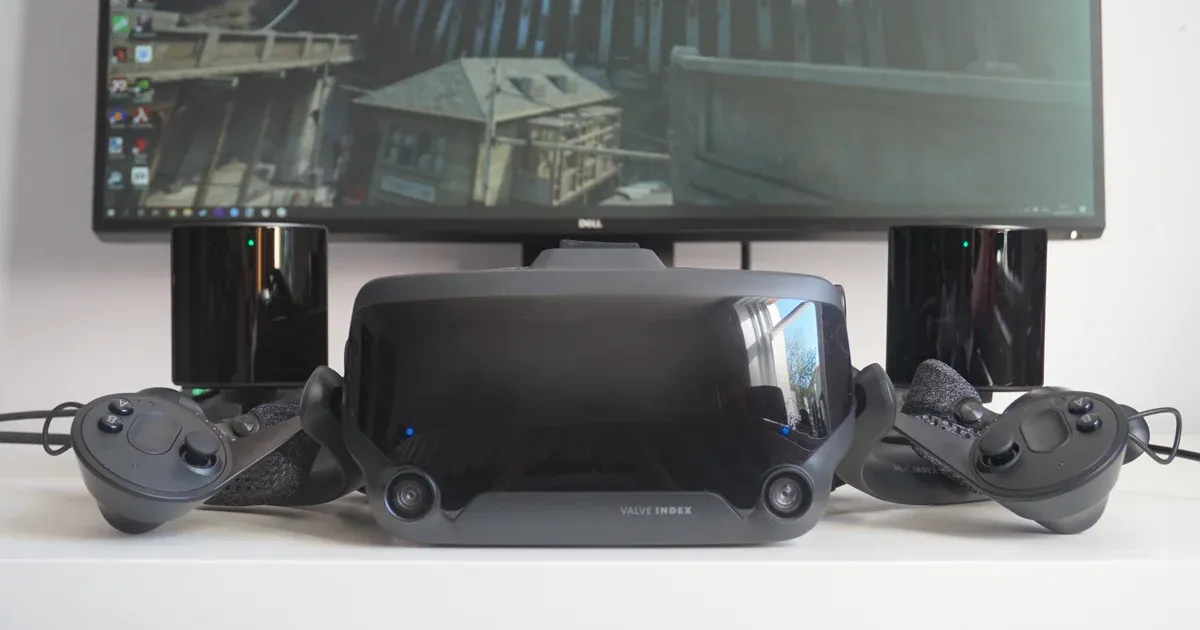
With the Steam Frame becoming Valve's new favourite VR child, they're selling off their last Index headset stock
Valve have officially discontinued the Valve Index VR kit, launching a 20%-off sale on its headset and controllers to get rid of any lingering stock. This was arguably an inevitable end, given the newer, more multitalented Steam Frame launched last month, with the Frame's memory-shortage-induced price hike failing to discourage enough orders to the extent that its waiting list now stretches into 2027. It's also, truth be told, not really an effective discount – buying the Index headset, both controllers, and two separate (yet essential) HTC-made base stations totals £1,027. Which isn't just more than an entry-spec Frame, but more than the £919 that the full Index kit originally launched at.
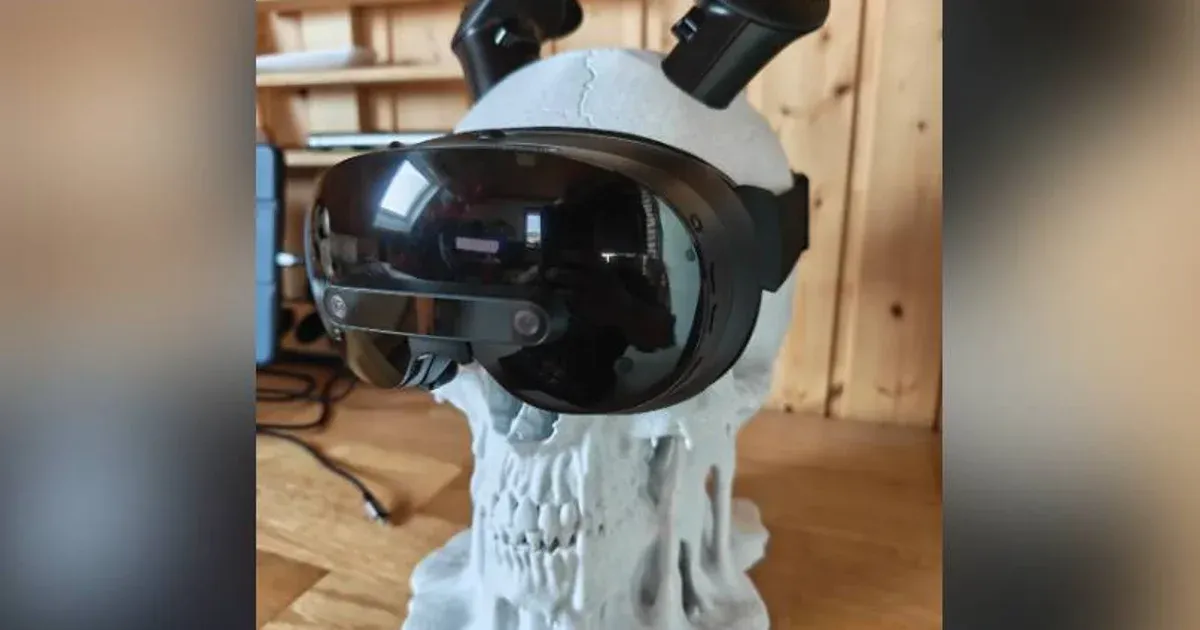
Valve have released the Steam Frame's CAD files, but there’s already a cottage industry of DIY wrist straps and lifesize skull stands
Last week, Valve chose their absolute most favourite announcement time – Friday evening, after we all go home – to release the Steam Frame’s CAD files to the world. In short, this lets anyone with a 3D printer or a lathe or an injection moulder (etcetera) take the VR headset’s official blueprints and use them to make cool stuff for it. Non-commercially, of course. Even before this great declassifying, though, it seems some lucky first-wave Frame recipients were already putting their own headsets on the line to prototype homemade gadgets and accessories. Some are sensibly practical. Some look inventive, if janky. At least one of them is a melting skull. All of them, I salute, as standard bearers of this open, occasionally unhinged thing we call PC gaming.

Not just Proton: Getting to know Valve's new SteamOS compatibility layers
For Griffais, the goal is for gamers to be able to consider Arm-based hardware without having to say, “Oh, this device is good, and the specs are good, the value is good, but I have to leave a portion of my catalog behind if I’m even considering it.” The second new compatibility layer hitting Steam is Lepton, an expansion of the pre-existing Waydroid project focused on getting standard Android APKs to run on SteamOS through a software container. This layer is especially necessary for the Steam Frame, since many of the standalone VR titles players will be running on the device were originally designed for the Android-based Quest headsets.
0 comments
No comments yet. Be the first to share your thoughts!