Gout Management and Outcomes Improve After Nephrology Referral - DocWireNews
This story deserves to be shared
Send it to someone who'd care, or post it on your networks.

Serum urate monitoring and urate-lowering therapy prescribing increased among patients with gout after their first nephrology visit, and gout-related outcomes improved during subsequent follow-up, according to a retrospective study being presented during American Society of Nephrology (ASN) Kidney Week 2026. Gout is common among patients with CKD, but managing the condition can be challenging in those with multiple comorbidities. Although most treatment of gout occurs in primary care settings, relatively little is known about changes in treatment patterns and outcomes after patients transition to nephrology care. To address this knowledge gap, investigators used the Optum Clinformatics Data Mart database to analyze insurance claims from 2,765 adults with gout who had an initial nephrology visit between 2016 and 2025. Patients were required to have continuous insurance enrollment for 1 year before and 2 years after their first nephrology visit. Changes in gout management and clinical outcomes were assessed in successive 6-month intervals. The study population had a mean age of 73 years. Most were men (64%) and had CKD (84%).
This article is an excerpt. To read the full content, visit the original source. DocWireNews
Related articles
Health System News Regional Nephrology Program Named Top Performer in Ontario - Ontario Hospital Association
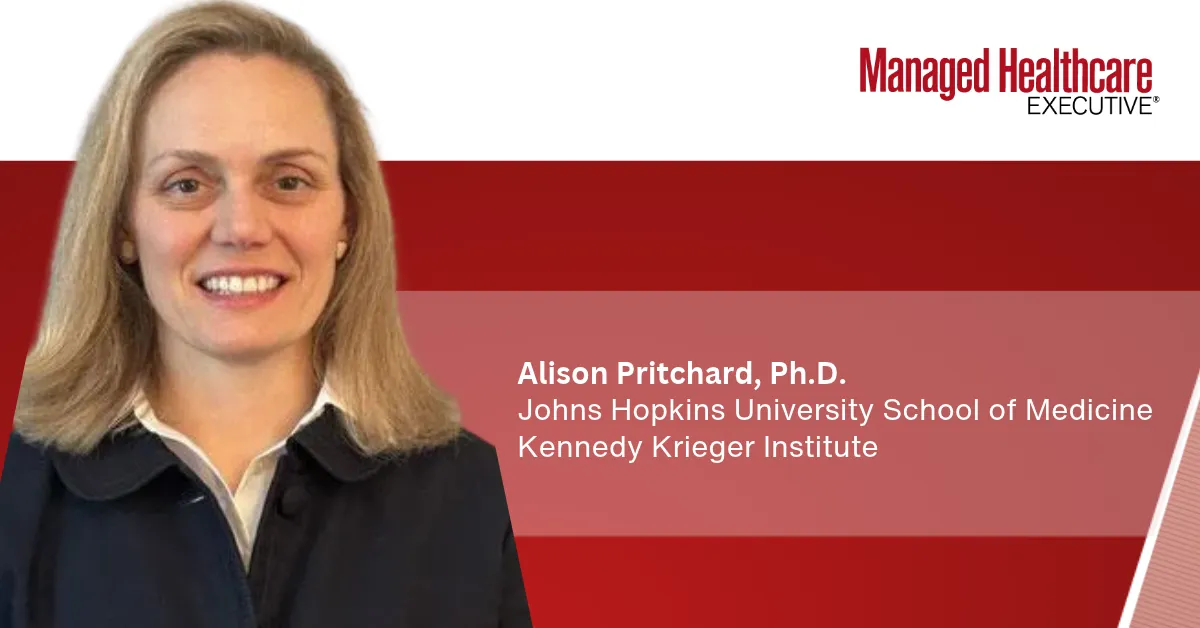
Alison Pritchard, Ph.D., on the treatment expectation gap in pediatric ADHD - Managed Healthcare Executive
On average, caregivers want to see their children with ADHD fall asleep 30 minutes faster, but the best sleep treatments average approximately 20 minutes, a new survey study found. Caregivers of children with ADHD and sleep problems tend to place more weight on improving daytime ADHD symptoms than on improving sleep, and they expect treatment gains larger than current therapies typically deliver, according to a survey study published in the Journal of Attention Disorders. Alison Pritchard, Ph. D., a child clinical psychologist and co-director of the Center for Neuropsychological and Psychological Assessment at Kennedy Krieger Institute in Baltimore, was the lead author. The study, ‘What Matters to Caregivers of Youth With ADHD: Defining the Minimum Clinically Important Difference for Sleep Treatment,’ surveyed 100 caregivers in the waiting area of an outpatient department where children were being seen for psychological or neuropsychological evaluation. Approximately half of the families had commercial insurance and about half used medical assistance.

Research updates, October 20 - The Sick Times
SARS-CoV-2 virus particles on a cell. Source: National Institute of Allergy and Infectious Diseases (NIAID) A large Long COVID review found mechanisms of “accelerated biological aging” in young adults. The review was published in Ageing Research Reviews and synthesized 110 mechanistic and epidemiological Long COVID studies on adults ages 25–55. The Chinese researchers found that inflammation and blood vessel damage may contribute to aging, while the disease may also increase the risk of early cardiovascular events. The review adds more evidence to the impact of infections on aging.
0 comments
No comments yet. Be the first to share your thoughts!