Good Samaritan Drug Overdose Act - Canada.ca
This story deserves to be shared
Send it to someone who'd care, or post it on your networks.
This article is an excerpt. To read the full content, visit the original source. Canada.ca
Related articles

Good Samaritan helps rescue driver after wrong-way crash on Henry Hudson Parkway
James O'Connell said he had nearly been struck by the same driver before witnessing the crash.

Adult-Onset Autoimmune Diabetes in a Physician: Diagnostic Uncertainty and Insulin Acceptance in a Case Consistent With Latent Autoimmune Diabetes in Adults (LADA) - Cureus
Latent autoimmune diabetes in adults (LADA) may resemble type 2 diabetes mellitus (T2DM), creating diagnostic uncertainty and delaying appropriate treatment. This case illustrates the recognition of adult-onset autoimmune diabetes in an older, lean physician and the challenges surrounding the acceptance of insulin therapy. A 63-year-old male physician presented with an eight-week history of polyuria, polydipsia, nocturia, fatigue, reduced exercise tolerance and unintentional weight loss from approximately 62 kg to 53 kg. His body mass index had historically ranged from 19 to 22 kg/m², with no recognised features of metabolic syndrome. His brother reportedly had LADA. Initial investigations demonstrated a random plasma glucose of approximately 30 mmol/L and glycated haemoglobin (HbA1c) of 12.1% (108 mmol/mol). Glutamic acid decarboxylase antibodies were strongly positive (>110 U/mL), whereas islet antigen-2 antibodies were negative. Serum bicarbonate was normal, and renal function was preserved. C-peptide was not measured. Insulin was recommended at diagnosis because of severe symptomatic hyperglycaemia and marked catabolic weight loss. The patient initially declined injectable ther
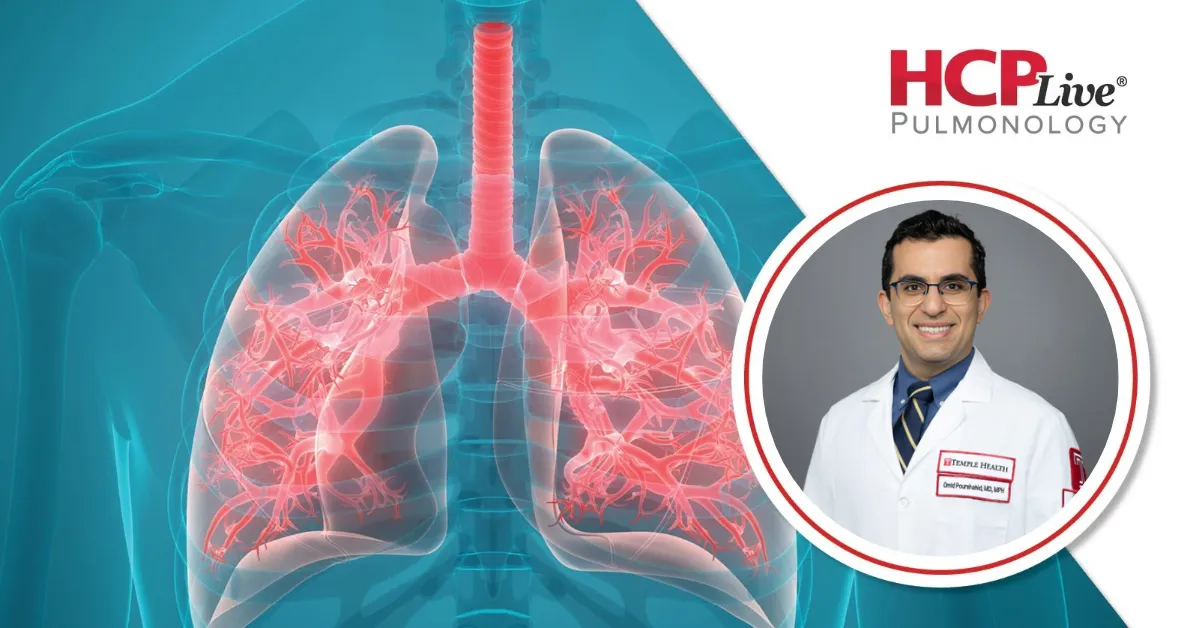
Virtual Pulmonary Rehab and Matched Care, With Omid Pourshahid, MD - HCPLive
News|Videos|October 19, 2026 Omid Pourshahid, MD, MPH, discusses Medicare coverage for virtual pulmonary rehab and a matched-care pathway for center-based, hybrid, or virtual programs. Omid Pourshahid, MD, MPH, FCCP, told HCPLive at the American College of Chest Physicians (CHEST) 2026 Annual Meeting in Phoenix how new Medicare coverage for virtual pulmonary rehabilitation could support a matched-care approach to assigning patients to center-based, hybrid, or virtual programs.¹Pourshahid, director of pulmonary rehabilitation at the Lewis Katz School of Medicine at Temple University, argued the pro side of a CHEST 2026 debate on tailoring pulmonary rehabilitation to each patient.¹ The 2023 American Thoracic Society (ATS) clinical practice guideline strongly recommends offering patients a choice between center-based pulmonary rehabilitation and telerehabilitation.³ Pourshahid noted patient-tailored therapy has been part of the ATS definition of pulmonary rehabilitation since 2013, but the delivery setting was rarely part of it. “Until recently…the support and the financial approval were coming only for center-based pulmonary rehab,” Pourshahid said.

New AI tool can predict cancer survival by a single patient selfie, study suggests - The Guardian
Doctors have developed an artificial intelligence tool that can predict a cancer patient’s chances of survival from a single photograph of their face. The AI system was custom-built by experts at Mass General Brigham, a nonprofit, integrated academic healthcare system in Massachusetts, to estimate biological age and directly predict survival outcomes in patients diagnosed with cancer. It is one of the most comprehensive demonstrations to date of how AI analysis of a selfie could help assess a patient’s health and potentially guide their medical care, and was trained on data from more than 40 million facial photographs across a range of ethnicities and ages. Details of the breakthrough were published in the Lancet Digital Health journal. The system can estimate a person’s biological age – the age a person looks, rather than their actual, chronological age – and predict the chances of survival for cancer patients from an ordinary photograph of their face, according to the results of a study that examined the model. Doctors used the technology to develop two complementary tools. FAHR-FaceAge estimates a patient’s biological age, and predicts cancer survival.
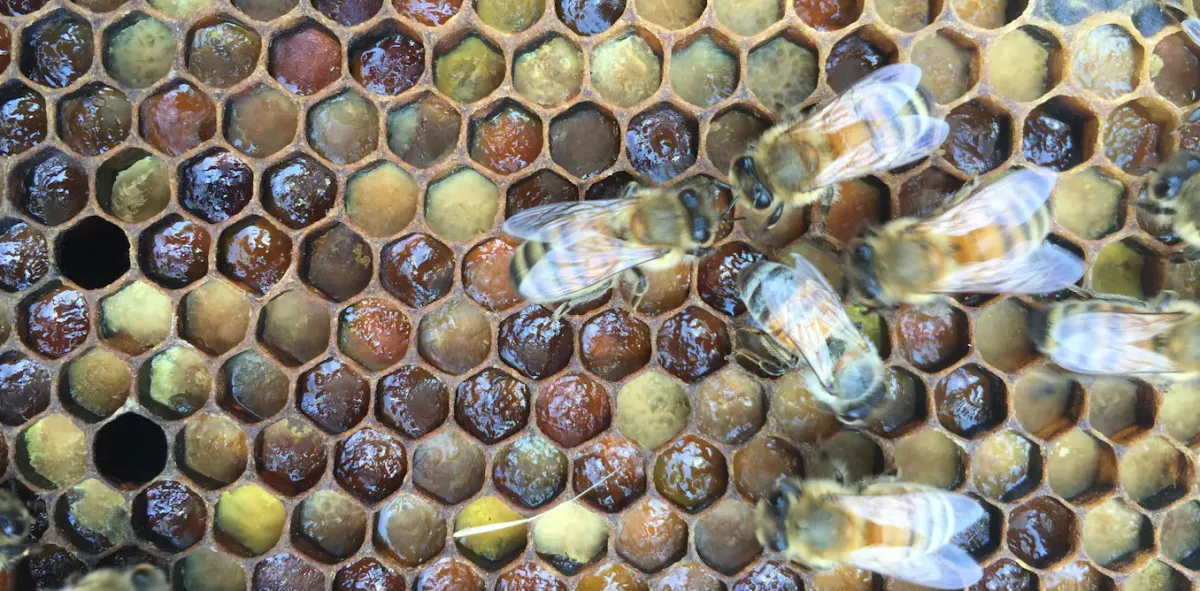
Honey bee hives have ‘living immune systems’ which defend against disease - The Conversation
Open a honey bee hive on a warm afternoon and the first thing you’ll notice is movement. Thousands of bees stream across the frames, tending brood, processing nectar and pollen, building wax, and maintaining the colony. A constant hum of activity and the smell of honey fill the air.
0 comments
No comments yet. Be the first to share your thoughts!