Global Weather Hazards Summary, April 30, 2026 – May 06, 2026 - ReliefWeb
This story deserves to be shared
Send it to someone who'd care, or post it on your networks.
This article is an excerpt. To read the full content, visit the original source. ReliefWeb
Related articles
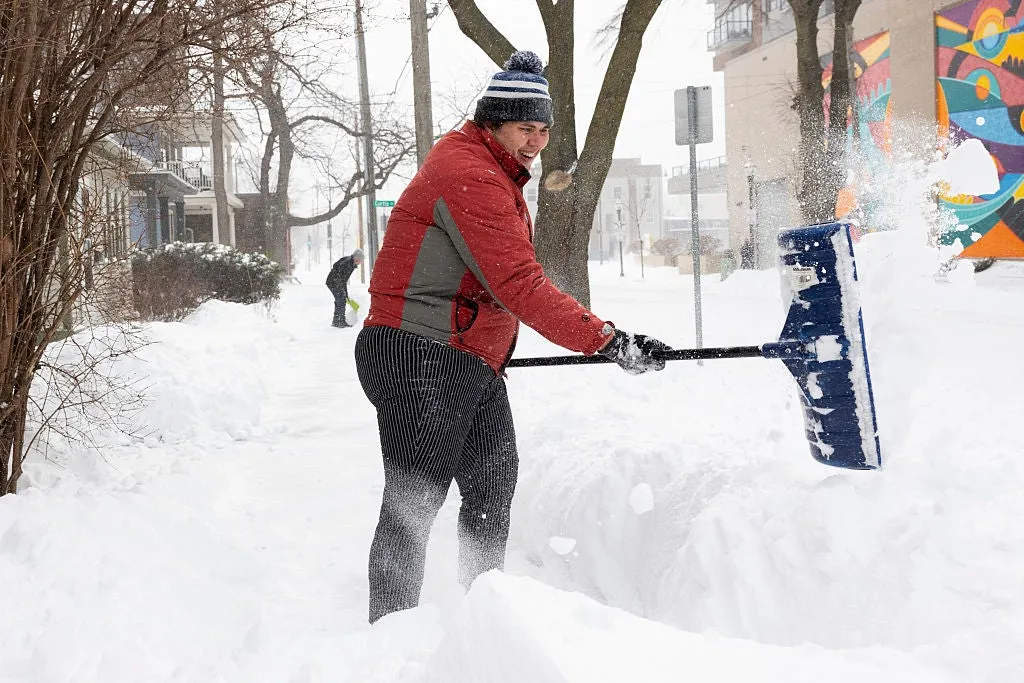
Snow vs sleet vs freezing rain: differences and hazards
Sleet, snow and freezing rain: Types of winter precipitation explainedYou are probably familiar with the three types of winter precipitation: snow, sleet and freezing rain. But do you know the difference among the three? Let me walk you through it. Picture a snowflake forming inside a cloud thousands of feet above you, about to begin its fall. That journey between the cloud and the ground is what defines what type of precipitation it will be, and while all three occur in winter, the impacts are very different. The temperature of the atmosphere will determine what type of winter precipitation you receive. As the raindrop falls and stays in temperatures above freezing for much of its journey to the surface, it will sometimes enter a layer of freezing air before hitting the surface. If that cold layer is deep enough, the raindrop has time to turn to ice. It hits the ground already frozen, bounces and lands as sleet: those small, hard ice pellets that ping off your windshield and pile up like tiny beads on the sidewalk. Get More of Our News on GoogleSet The Weather Company as a 'Preferred Source' to get quicker access to the news you value.
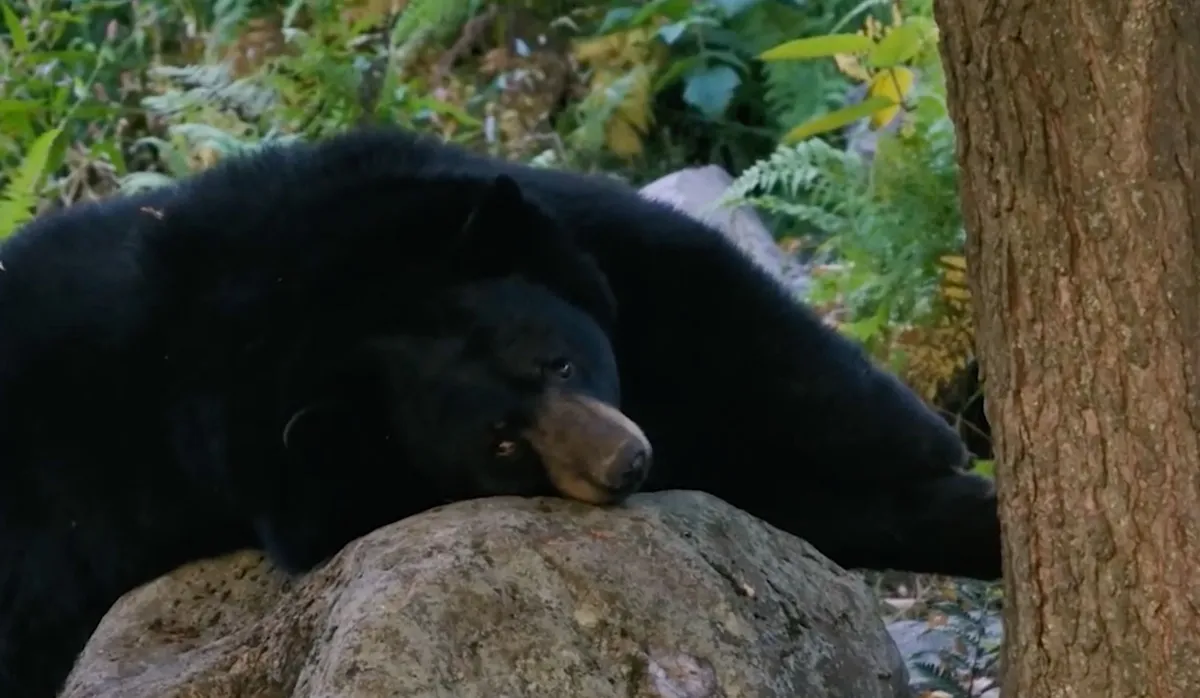
Hiking in fall requires specific focus on these hazards
Are you ready to become one with nature and set out for a fall hike? Here are some hacks to help make your journey safer and more enjoyable. Don’t be afraid to make some noise. Fall is an active time for wildlife, and the last thing you want to do is sneak up on an animal. Let them know you’re present. Now if you’re setting out for your hike after a rainfall, wet leaves on a trail can be just as slippery as icy conditions, so you want to make sure you have boots with good grips, or even walking sticks can help. You want to stay cognizant of the sunset times. Beware of shorter days, especially if you’re hiking. You could even bring a headlamp. Along the coasts, you’ve got that cool ocean breeze, which can make the weather feel even colder in the fall. You may not be thinking about drinking as much water, but it’s still important to stay hydrated. You want to bring an insulated bottle, maybe put some tea in there, and drink the warm water even. That will keep you warm as well, and it will keep you functioning properly. WATCH: The do's and don'ts of using bear spray
0 comments
No comments yet. Be the first to share your thoughts!