Global study finds pain patterns vary with age, sex and development | The Daily Guardian - newspaper - Magzter
This story deserves to be shared
Send it to someone who'd care, or post it on your networks.
This article is an excerpt. To read the full content, visit the original source. Magzter
Related articles

Fall immunizations now available to Albertans - Red Deer Advocate
The province’s fall immunization program launched on Oct. 19 to help protect Albertans against serious illness from the influenza, COVID-19 and respiratory syncytial virus (RSV). Primary Care Alberta (PCA) said vaccines are safe and effective, and getting immunized against is one of several important steps Albertans can take to prevent the spread of illness.

ADHD linked to higher mortality but medication may help - Medical Xpress
For the study, published in JAMA Network Open, the researchers conducted a systematic review and meta-analysis of 19 studies that included data from close to 16 million study participants on three continents. In a meta-analysis of observational studies, they found that ADHD is linked to higher rates of suicide and injury deaths, as well as a moderate increase in natural-cause mortality. But they found some evidence that this mortality risk is lower among people who take ADHD medication.

Podcast: Thyroid Pitfalls in Psychiatric Practice, From Lab Interpretation to Wellness Supplements - Psychiatric Times
An endocrinologist warns psychiatrists against overreading peripheral thyroid hormones and flags kelp and T3 microdosing as underrecognized risks. In this episode of “The Psych Consult: Second Opinion,” endocrinologist Caroline Messer, MD, joined consultation-liaison psychiatrist Claire Brandon, MD, to discuss where thyroid disease and psychiatric illness overlap, and where clinicians most often go wrong. Reading the LabsMesser advised psychiatrists to rely on thyroid-stimulating hormone (TSH) alone in most cases, reserving free T4 and T3 for suspected central disease. Stress, heparin, and binding-protein abnormalities can all distort peripheral levels. She noted that SSRIs can lower free T4 by causing a mild central hypothyroidism. Symptoms are a poor guide on their own. Messer pointed to the Colorado Thyroid Disease Prevalence Study, which evaluated more than 25,000 health fair attendees, as evidence of how common hypothyroid-type complaints are in the general population. Age further complicates interpretation: TSH distribution shifts upward over the lifespan, and most older adults with TSH above 4.5 mIU/L fall within an age-appropriate range.

Study links antibiotic use with irritable bowel syndrome - CIDRAP
Children and adolescents who received antibiotics had 1.5-times-higher odds of irritable bowel syndrome (IBS) by age 24 than those who had not, Swedish researchers reported today at the annual United European Gastroenterology (UEG) conference. The findings are from an analysis of 2,853 participants enrolled in the BAMSE study, which began in Stockholm in 1994 and was originally established to study environmental and nutritional factors involved in the development of allergies and other chronic conditions. For this study, researchers at the University of Gothenburg reviewed antibiotic drug prescription data starting in 2005, when the participants were aged 9 to 11 years, until IBS was assessed at age 24, tracking whether they had received antibiotics, the number of prescriptions received, and which antibiotic classes had been prescribed. IBS is a common condition that can cause cramping, abdominal pain, bloating, diarrhea, or constipation. Antibiotic use has been hypothesized as a potential trigger because of its impact on the gut microbiome, but research linking antibiotics and IBS has been mixed.
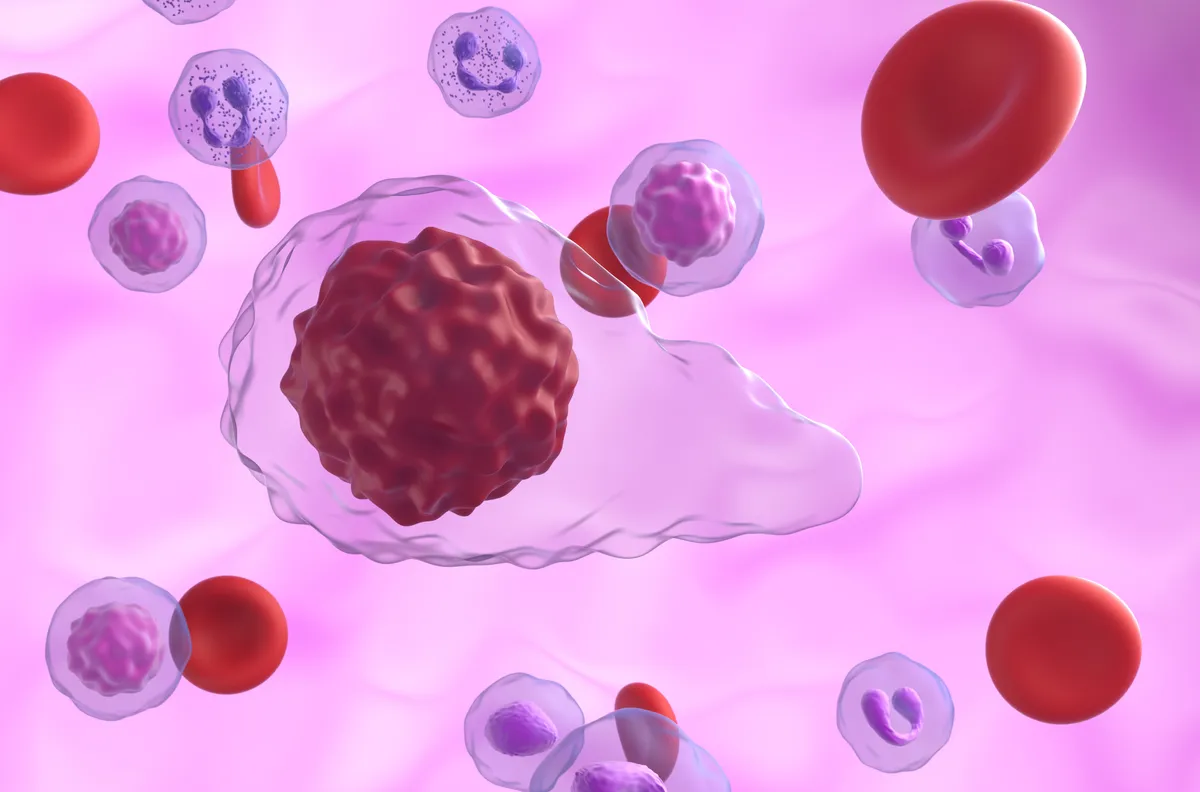
ASH Issues New Recommendations for the Management of Myelofibrosis - The ASCO Post
The American Society of Hematology (ASH) released new guidelines on the management of myelofibrosis which recommend expanded molecular testing, early transplant referral, appropriate use of JAK inhibitors, and aspirin therapy in select patients. The guidelines were published by Stein et al in Blood Advances. Myelofibrosis is a rare type of myeloproliferative neoplasm, with estimates that up to 6 per 100,000 people are living with the disease. Individuals with myelofibrosis are at risk of developing acute myeloid leukemia and other serious, disease-related complications, including enlargement of the spleen and development of blood clots. Myelofibrosis can often be managed over time with medications, including Janus kinase (JAK) inhibitors, which can help reduce spleen enlargement and ease other symptoms of the disease. Currently, the only potentially curative treatment is allogeneic stem cell transplant. ASH’s newly published evidence-based guidelines help address decision-making gaps in the care of patients with myelofibrosis. Because myelofibrosis is rare and progressive, approaches to treatment can vary substantially among clinicians.
0 comments
No comments yet. Be the first to share your thoughts!