Global Grid Investment Could Top $470 Billion for the First Time in 2025: BloombergNEF - BloombergNEF
This story deserves to be shared
Send it to someone who'd care, or post it on your networks.
Global Grid Investment Could Top $470 Billion for the First Time in 2025:
This article is an excerpt. To read the full content, visit the original source. BloombergNEF
Related articles
Copper Needs $332 Billion in New Mines to Avoid Deficit, BloombergNEF Says - Crude Oil Prices Today | OilPrice.com
While nine out of ten key energy transition metals are back on track to deliver sufficient supply by 2050, a total of $332 billion of investment is needed in new copper mines to avoid a looming copper deficit that could slow electrification, BloombergNEF said in its Transition Metals Outlook 2026 on Tuesday. In recent years, supply of key energy transition metals has improved considerably, with the exception of copper, which is still expected to see a shortfall through 2050, unless billions of dollars are invested in new supply. Lithium, graphite, cobalt, aluminum, nickel, manganese, steel, platinum, and palladium are all expected to have sufficient long-term supply capacity to support electrification through 2050, as global shortages have eased significantly, BNEF says. However, copper remains the major exception in this group of critical metals. BNEF expects a supply deficit in the global copper markets to begin in 2028 and widen to as much as 20 million metric tons by 2050. This deficit would be equivalent to 44% of projected global demand. Meanwhile, global copper demand is expected to jump by 61% between 2026 and 2050, reaching nearly 46 million tons.

Super Micro’s stock soars after surprise update — with Dell and HPE shares joining the rally
Super Micro unexpectedly disclosed that its revenue and profitability could be much stronger than originally anticipated.
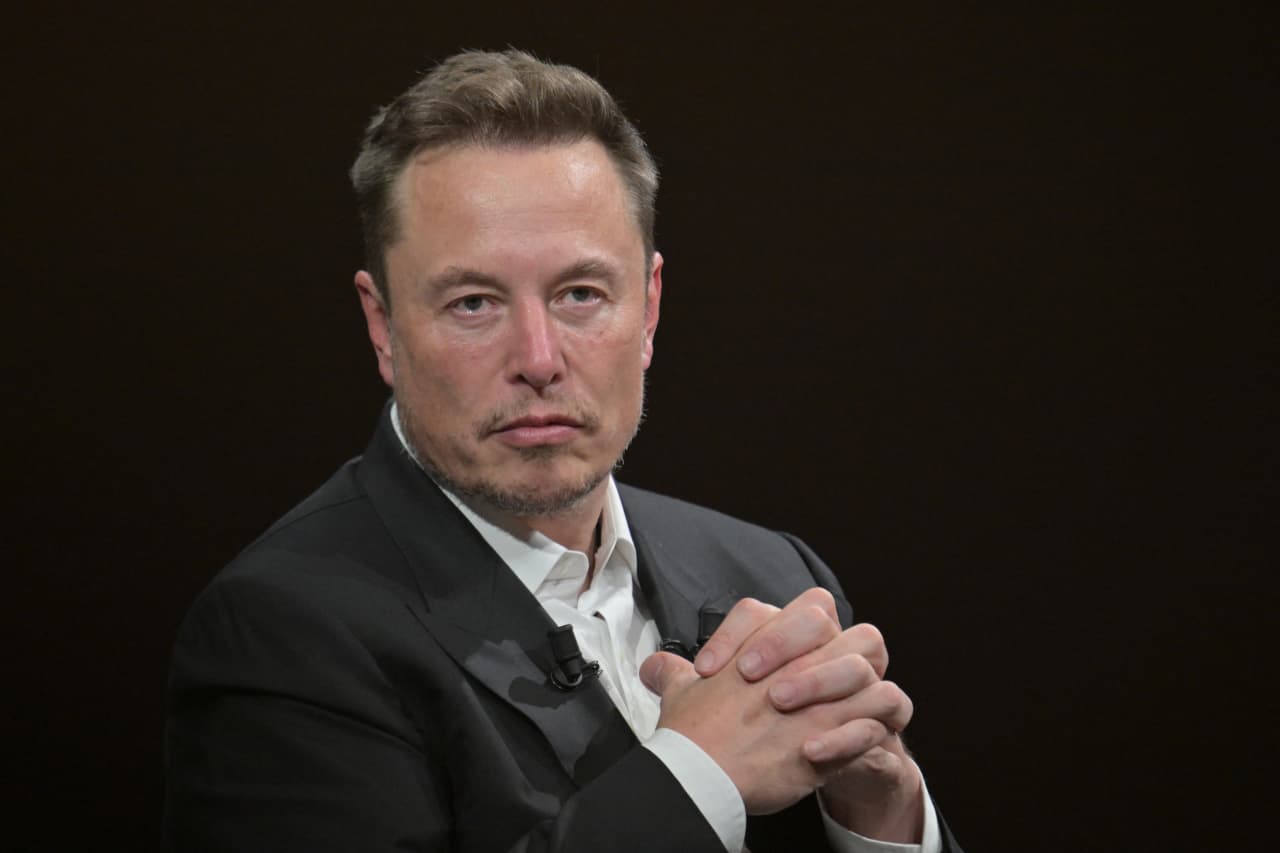
Tesla’s stock rises as Elon Musk drops new clues about a possible SpaceX merger
Special committees at both companies are assessing merger prospects but a combination is no sure thing, Musk says.

BMO appoints new U.S. head as Darrel Hackett steps down
Bank of Montreal’s BMO-T U. S. head, Darrel Hackett, is leaving his role as the lender bets on reviving its operations in the country to bolster its profitability. Mr. Hackett, who has spent more than 22 years at BMO, will take on the role of executive vice-chair and senior adviser as of Nov. 1. BMO tapped its U. S. general counsel, Tim Cox, as its new U. S. country head and CEO of its U. S. subsidiaries, effective Nov. 1. He is also a member of the bank’s U. S. management committee and chairs its U. S. regulatory committee. In March, BMO told investors that its U. S. division’s return on equity – a closely watched measure of profitability – has underperformed expectations, and that the bank will continue to revive the business to bolster growth. “Darrel has played a central role in advancing our North American growth strategy and helping build the U. S. business we have today,” BMO chief executive officer Darryl White said in a statement. Prior to his role as U. S. general counsel, Mr. Cox held other roles at the bank, including chief regulatory officer, managing director and U. S. chief security officer.

Walmart takes aim at Amazon and Costco with new membership program — but is it a good deal?
Some analysts question whether people will actually take advantage of Walmart’s new bundle, and how easy it is to make sense of the benefits.
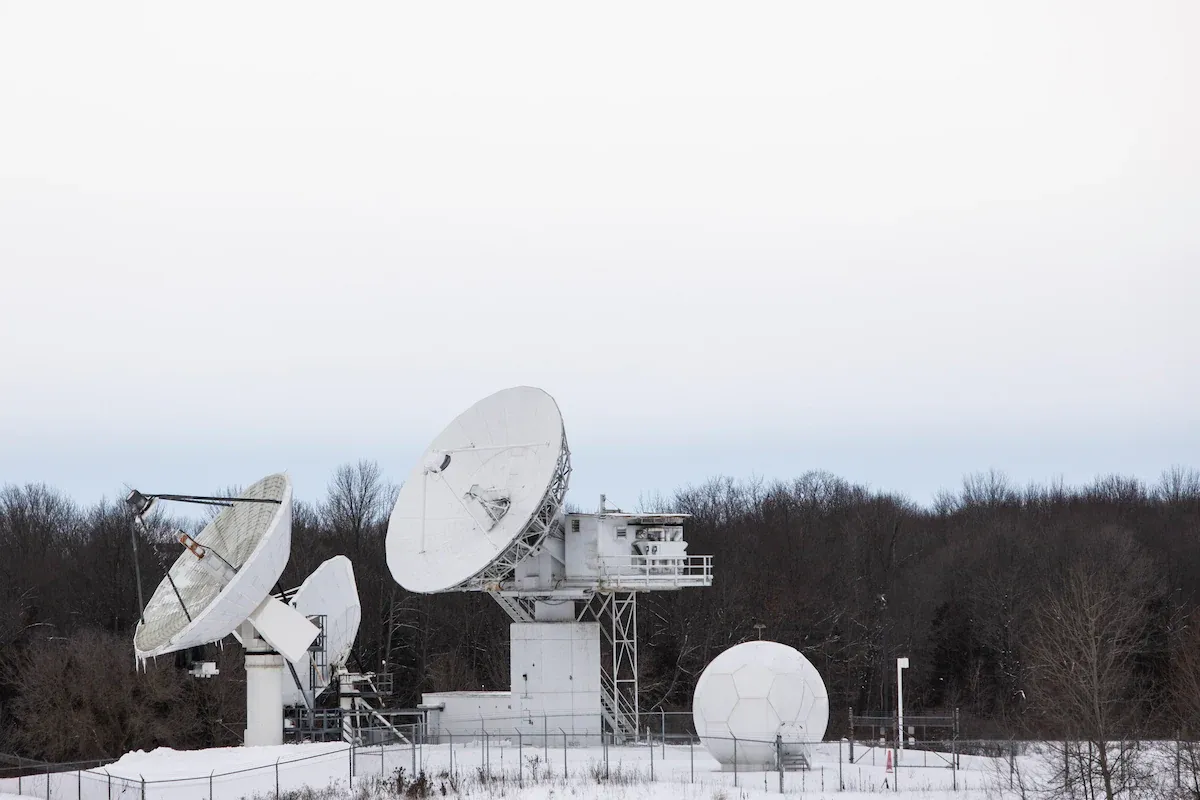
Telesat creditors put forward new proposal as debt repayment deadline draws closer, source says
Open this photo in gallery:Satellite antennas at the Telesat facility in Allan Park, Ont., in 2019. The company, which started out as a Crown corporation before becoming a private entity in the 90s, operates communications satellites. The Globe and MailLenders to Ottawa-based Telesat Corp. TSAT-T have proposed a new recapitalization plan ahead of a looming debt-repayment deadline that the satellite operator is at risk of missing. Telesat, which is building a constellation of low-Earth-orbit satellites dubbed Lightspeed, has approximately US$1.71-billion in debt coming due Dec. 6, with another US$438-million of debt maturing in 2027. The debt was issued by a subsidiary of the company called Telesat Canada and is tied to the company’s fleet of geostationary satellites, an older business division that is in decline. Telesat has said in financial filings that its cash flow is insufficient to meet all of its debt obligations. The lenders – including Silver Point Capital, GoldenTree Asset Management and Sound Point Capital Management – recently put forward a second proposal to the company, according to a source familiar with the situation.
0 comments
No comments yet. Be the first to share your thoughts!