Global dietary estimates for conducting health, environmental and economic impact assessments - Nature
This story deserves to be shared
Send it to someone who'd care, or post it on your networks.
This article is an excerpt. To read the full content, visit the original source. Nature
Related articles
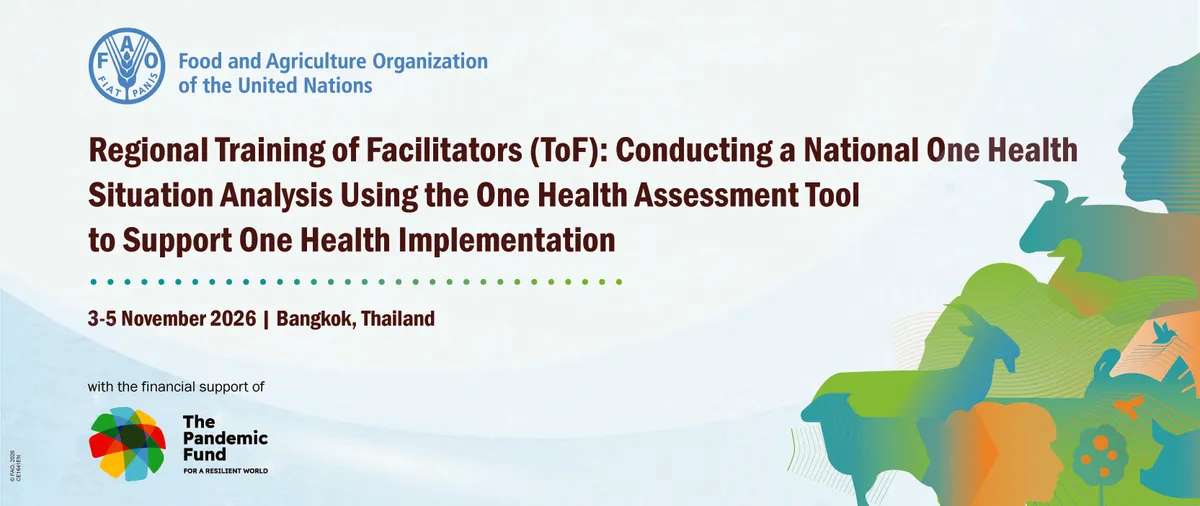
Regional Training of Facilitators (ToF): Conducting a National One Health Situation Analysis Using the One Health Assessment Tool to Support One Health Implementation - Food and Agriculture Organization
The One Health Assessment Tool (OHAT) was developed by FAO as a national-level self-assessment tool to assess the implementation of the One Health approach across four sectors: human health, animal health, wildlife, and the environment. The assessment results are used to identify gaps, prioritize actions, and develop targeted recommendations to strengthen One Health implementation. The findings also serve as a baseline for future assessments, enabling countries to track progress over time against agreed actions and commitments. The tool evaluates One Health implementation through ten core One Health indicators, examining the extent to which these indicators are addressed within the technical areas of work of the action tracks of the One Health Joint Plan of Action (OH JPA). The results of OHAT are part of a national OH situation analysis, contribute to the national One Health country profiles, and inform national One Health implementation and programming. Coinciding with the celebration of One Health Day on 3 November, the regional Training of Facilitators seeks to strengthen regional capacity for the effective facilitation and implementation of the One Health Assessment Tool.

Making Sexual Health Assessments a Routine Part of Gynecologic Cancer Care - Cancer Nursing Today
Many survivors of gynecologic cancer experience treatment-related changes that affect sexual health, yet these concerns are not consistently addressed during oncology visits, according to a qualitative study published in Supportive Care in Cancer. Researchers found that clinicians frequently encountered barriers including limited time, discomfort with the topic, age-related assumptions, and uncertainty about professional roles. The results point to practical strategies that could help oncology nurses and other members of the cancer care team incorporate sexual health assessment more routinely into survivorship care. Researchers interviewed 21 gynecologic oncology clinicians, including gynecologic oncologists, nurse practitioners, and physician assistants. Sexual Health Discussions Often Occur in Survivorship CareParticipants described considerable variation in when and how sexual health concerns were addressed. Conversations were more likely to occur during postoperative, surveillance, or survivorship visits than during active treatment, when discussions about prognosis, treatment decisions, and symptom management often took priority.
‘No plague case’ in Siberia, Russia tells WHO as assessments continue - UN News
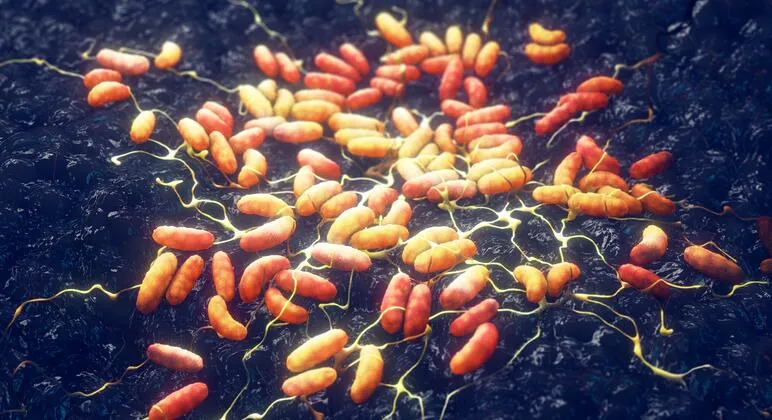
HealthHealth authorities in Russia say there is “no plague case” in Siberia following reports last week that a lab technician had died of pneumonia of an unknown origin in the region, World Health Organization (WHO) officials said on Wednesday. Russian regulators told WHO on Tuesday that there was no evidence pneumonic plague played a part in her death and that no pathogens had been detected, agency chief Tedros Adhanom Ghebreyesus said. About 200 of her contacts have been placed in quarantine. Further requests for information have been sent to Russian authorities, he added, noting that the lab is part of an institute in Irkutsk that studies dangerous pathogens, including plague, which occurs naturally in wild animals in the area.
0 comments
No comments yet. Be the first to share your thoughts!