Giant Whale Graveyard Found in The Ocean Is Like a Drowned City of The Dead - ScienceAlert
This story deserves to be shared
Send it to someone who'd care, or post it on your networks.
This article is an excerpt. To read the full content, visit the original source. ScienceAlert
Related articles
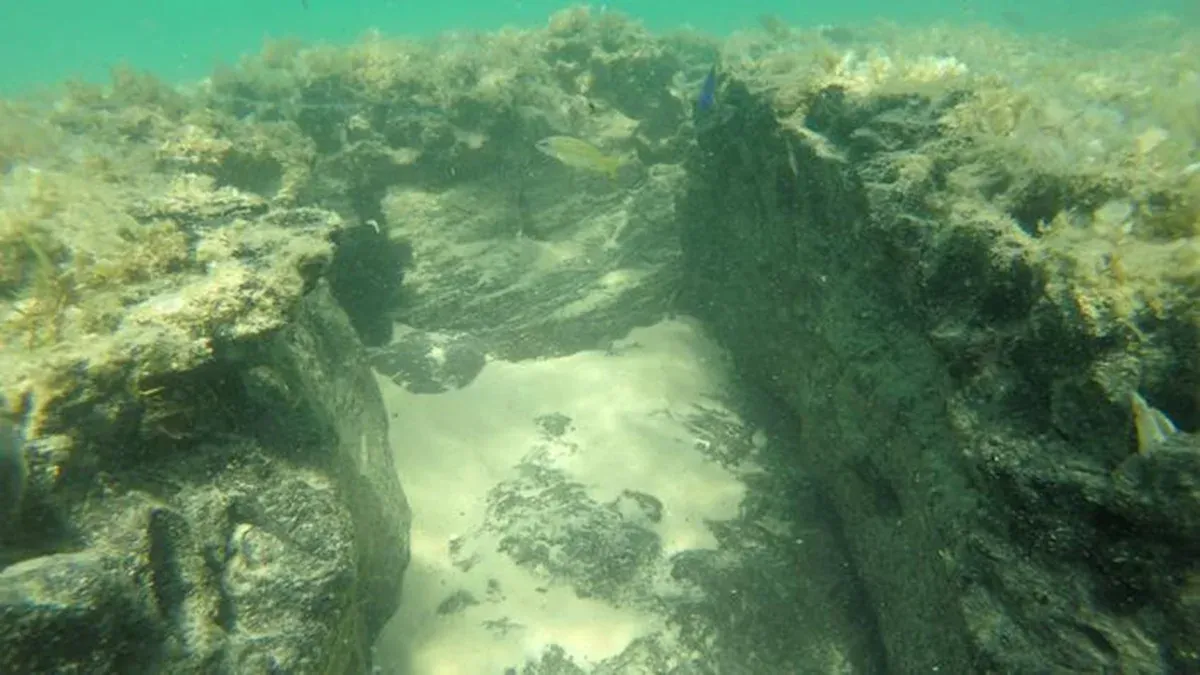
Drowned 5,000-year-old forests off Mozambique now shelter reef fish, no coral needed - Yahoo
Forests that stood on Mozambique's coast thousands of years ago now lie beneath shallow seas, and they have become fish-filled "peat reefs" with marine life comparable to coral reefs, researchers report in Scientific Reports. A team from the Bazaruto Center for Scientific Studies (BCSS) Ocean Observatory, led by Mario Lebrato, documented the submerged peat in the Bazaruto Archipelago in the Western Indian Ocean. BCSS, founded in 2017, describes itself as Africa's first permanent ocean observatory. Working with universities and institutions in the U. K., U. S. and Canada, the team believes it has carried out the first ecological study of peat reefs anywhere in the tropics. Old forests, new seafloorRadiocarbon dating shows the peat formed between about 300 and 5,000 years ago, and chemical analysis indicates it came mostly from coastal land plants and trees. Some samples contain up to 40% organic carbon by dry weight. Lebrato said the coastline has very little natural hard seabed, mostly shifting sand. As rising seas expose the old peat layers, they create rare solid habitat where marine life can settle, hide and feed.
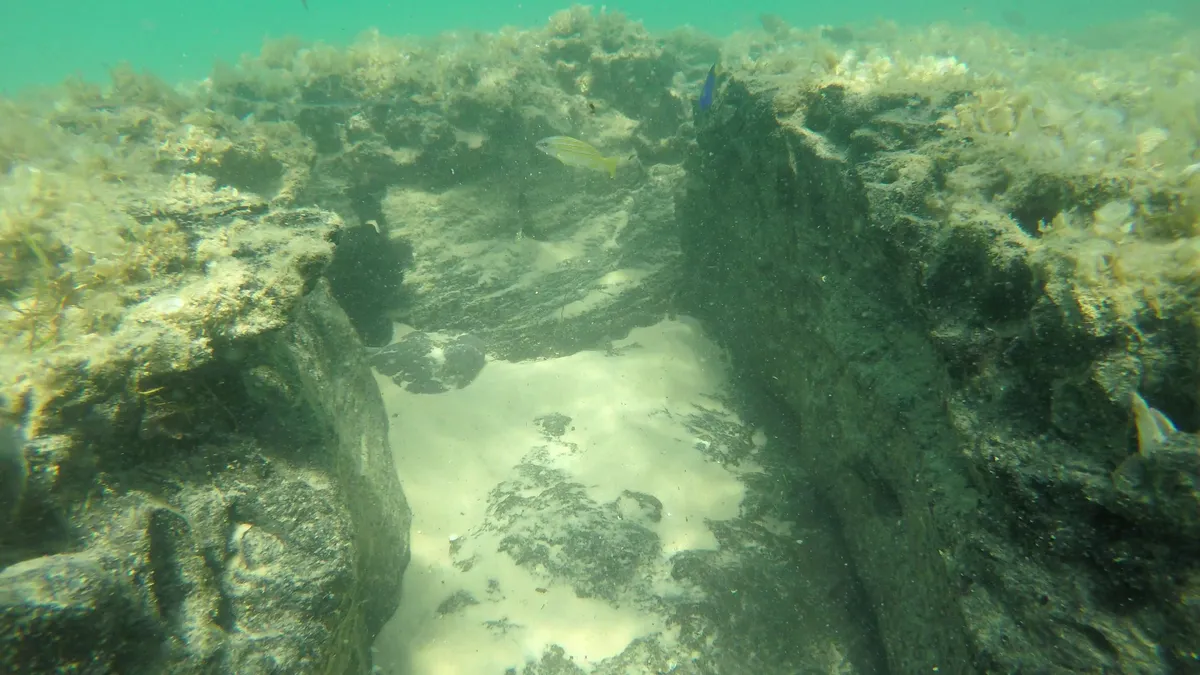
Drowned 5,000-year-old forests reborn as thriving peat reefs and biodiversity hotspots off Mozambique - Phys.org
Peat reef habitat fauna, a bluebanded snapper. Researchers from the Bazaruto Center for Scientific Studies (BCSS) Ocean Observatory have documented ancient forests that grew on the Mozambican coast thousands of years ago and have been found beneath the sea, where they now serve as hotspots teeming with marine life similar in biodiversity to coral reefs. The discovery raises the question of how many more of these hidden peat reefs exist around the world's coastlines and how to evaluate them as a carbon store and develop policies to protect them and their biodiversity. The paper in Scientific Reports published by the BCSS Ocean Observatory, working in collaboration with researchers from U.
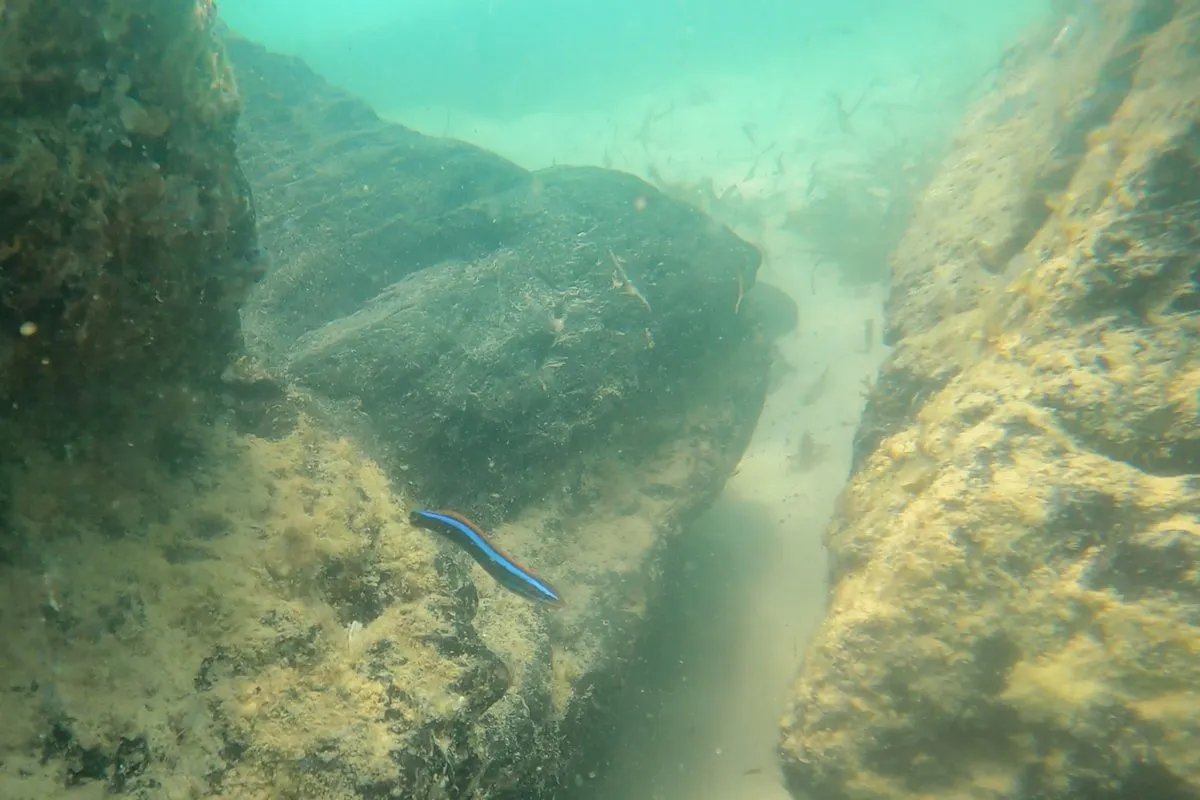
5,000 years ago, these forests drowned. Now they're thriving reefs – home to oysters, sponges, sharks, rays and turtles - BBC Wildlife Magazine
Researchers in Bazaruto, Mozambique, have discovered the underwater remains of forests that were submerged by rising seas thousands of years ago – and they were surprised by the amount of biodiversity living on these so-called ‘peat reefs’. Using radiocarbon dating, the scientists found that the reefs formed between around 300 and 5,000 years ago. Published in the journal Scientific Reports, the paper is believed to be the first ecological study of tropical peat reefs.
Ancient shark 'graveyard' uncovered in Egyptian desert - Live Science
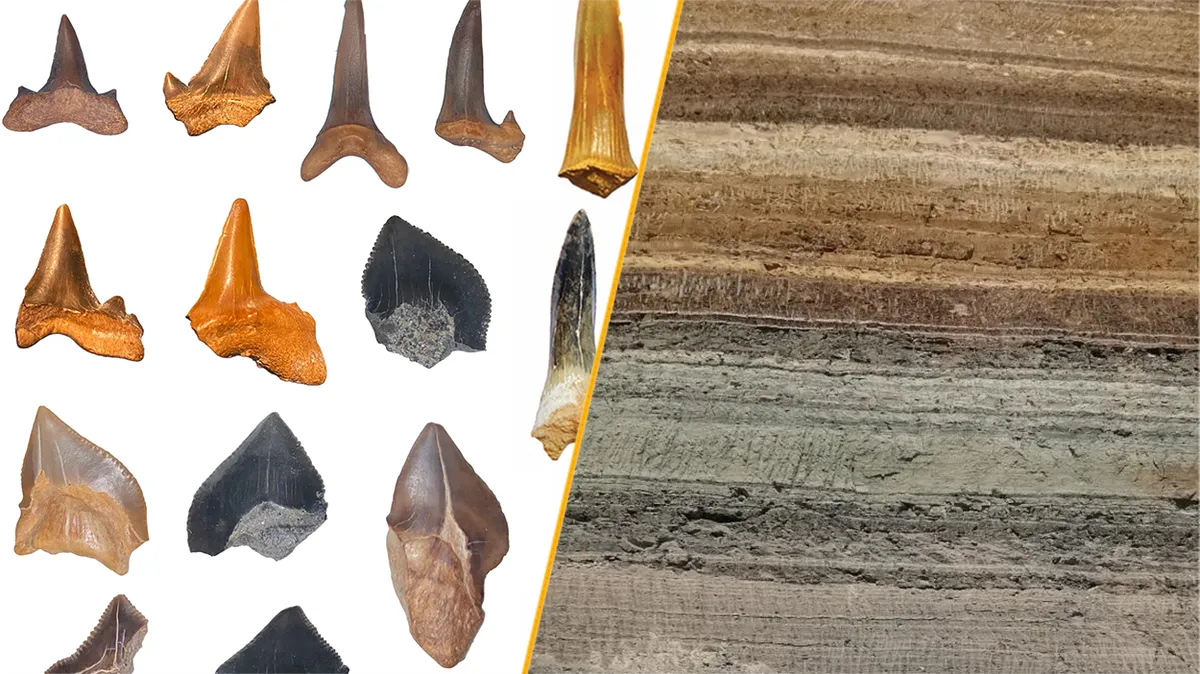
Fossilized teeth from at least seven shark species have been discovered in the Egyptian desert, hinting at its complex, watery past.
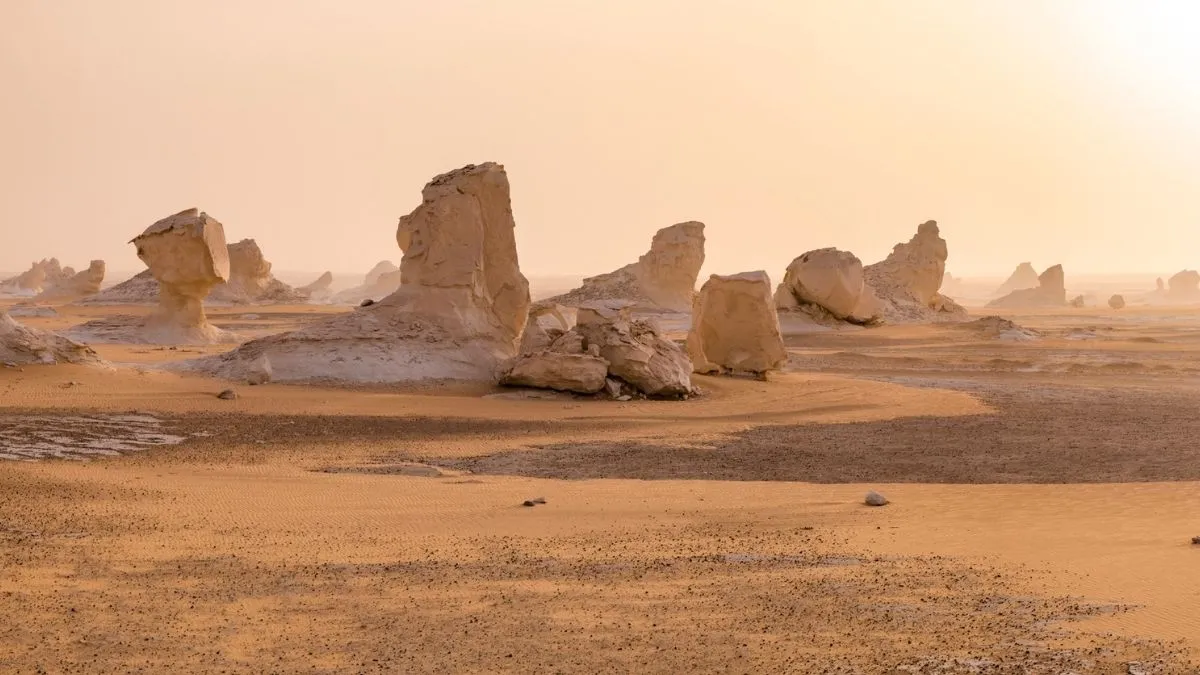
An Ancient Shark Graveyard Has Been Found in The Egyptian Desert - ScienceAlert
The desert sands of Egypt have been dry for thousands of years. As difficult as it is to picture now, however, much of that desert was once submerged beneath a sea that covered much of the northern perimeter of the African continent. Nor was it a dead sea – evidence suggests that, during the Cretaceous period, it may have been a tropical wonderland, where rising currents lifted nutrients into the water column to feed a thriving ecosystem. Now, buried in what was once the floor of that long-ago sea, on the Abu-Tartur Plateau, paleontologists have found evidence of its lushness: the teeth of sharks that would have thrived amid the bounty of fish. And not just one shark. The total number of different species found in that layer of the Duwi Formation now numbers at least seven – offering a glimpse of the rich marine ecosystems that once flourished along the northern edge of Africa. The 14 teeth represented five species. (Yassin et al., Cretac.
0 comments
No comments yet. Be the first to share your thoughts!