Frost flowers: how to find ice ribbons on plants at dawn
This story deserves to be shared
Send it to someone who'd care, or post it on your networks.
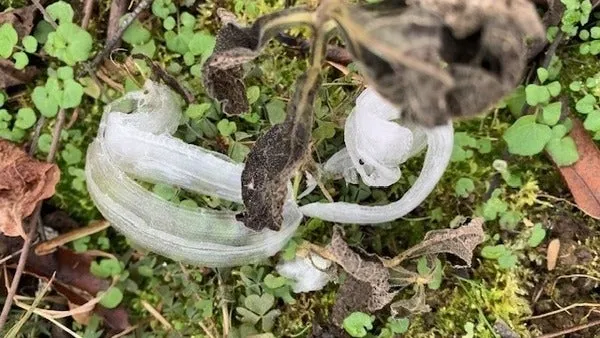
Look down this weekend: frost flowers could bloom at your feetIf you love a garden, or just the wild corners of one, here's a reason to set an alarm this weekend and look down. On the first hard freezes of fall, a few native plants push out thin, curling ribbons of ice from their stems. They're called frost flowers. They look like spun sugar, or a curl of lace, and they're usually gone by midmorning. The recipe is short: warm ground, then a sudden hard freeze. The roots are still active, so they keep pulling water up the stem. When the freeze cracks the stem's surface, that water slips out and freezes the moment it meets the cold air. More water behind it pushes the ice outward into ribbons. The Missouri Department of Conservation says scientists still can't explain why only a few species do it. People have been puzzling over it for nearly 200 years. A naturalist wrote about it in an 1828 journal, and University of Texas at Austin researcher Bob Harms calls the ice "crystallofolia," or "ice leaf. "(MORE: Should you water your garden before a freeze?
This article is an excerpt. To read the full content, visit the original source. The Weather Channel
Related articles
Nor' easter to bring coastal flooding, winds to East Coast
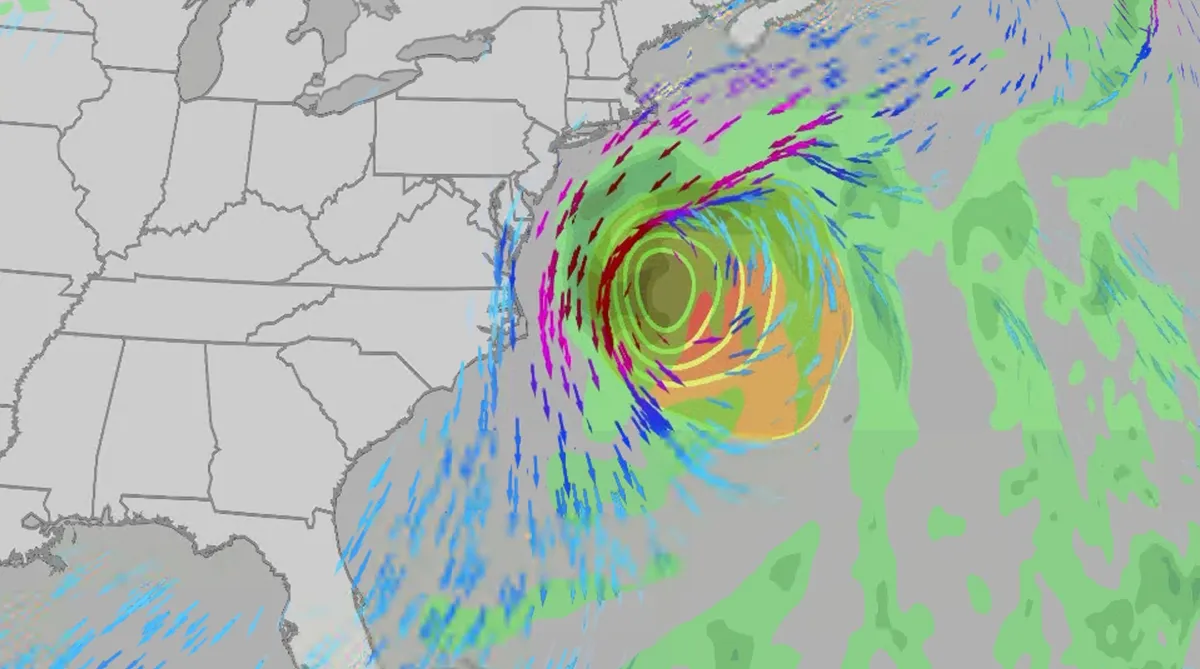
An October nor'easter is developing in the Atlantic, where it will bring high surf, rip currents, coastal flooding, winds and rain to parts of the East Coast for several days this week. The National Hurricane Center has it highlighted as an area to watch this week for potential subtropical development. However, regardless of development, this system will bring dangerous conditions to the East Coast this week. Fortunately, this system doesn't look to be as strong as the one in September. But the bad news? It could linger for much of the week, so impacts could have a longer duration than you would think. There are currently coastal flood alerts across parts of coastal North Carolina and Virginia, where anywhere from 1 to 4 feet of inundation is possible. Key takeawaysWe do not expect this storm to be as strong as the late September nor'easter. The area most likely impacted the longest appears to be from the Delmarva Peninsula to eastern North Carolina, with more models pointing to primarily eastern North Carolina.

Coastal homes burn as hot winds fuel California wildfires
Thousands evacuate Southern California as wind-fueled fires burn homesFire crews in Southern California gained ground Saturday on a wind-driven blaze that charred hills and damaged or destroyed at least six large coastal homes, allowing evacuation orders to be lifted and thousands of people to return home. The fast-moving Norte Fire sparked the previous day in San Clemente amid hot, strong Santa Ana winds that drove it into San Juan Capistrano, prompting the evacuation of about 16,000 residents. Firefighters work to douse a house fire during the Norte Fire on Friday, Oct. 16, 2026, in San Juan Capistrano, Calif.(AP Photo/Jae C. Hong)Hundreds of firefighters deployed to combat the blaze in the hills of Orange County. At one home engulfed in smoke and fire, photos showed them using hoses to try to douse the flames. Most of the evacuations were lifted Saturday evening, except for one street in San Clemente. The Norte Fire was one of several in the region hit by the Santa Anas, which blow from the interior and toward the coast.
Meet the marine technician documenting Antarctica's beauty while protecting its future
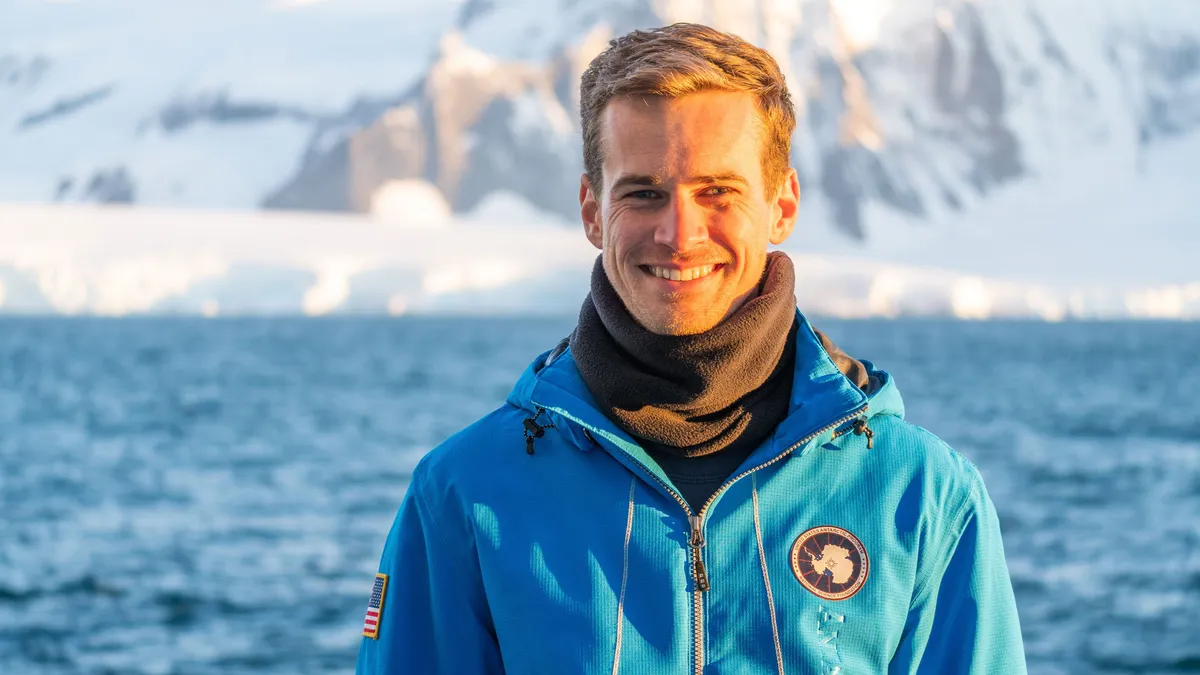
Marine technician crosses world's roughest sea to document AntarcticaFor Andrew Naslund, Antarctica is his “favorite place in the world.”He’s a marine technician for Scripps Institution of Oceanography. And while not a professional photographer, he’s capturing Antarctica’s beauty along his research journey. Andrew Naslund, Scripps Institution of Oceanography marine technician.(Andrew Naslund)The researchNaslund spends months aboard a research vessel, the R/V Roger Revelle (AGOR 24), which he describes as “basically a floating laboratory.”“The purpose of this ship is to provide a platform for scientists to reach some of the most remote reaches of our oceans,” Naslund said. A big part of his role is assisting the scientists to safely deploy and recover their instrumentation over the side of the ship. He also keeps track of incoming data, ensuring the scientists are getting the information that they came out there to get. “[We’re] a mobile weather station. So anywhere that we travel in the world, we’re collecting meteorological weather data,” he says.
0 comments
No comments yet. Be the first to share your thoughts!