Frontiers in Science: Trace levels of food pathogen do not always translate to health risk, says study - Frontiers
This story deserves to be shared
Send it to someone who'd care, or post it on your networks.
This article is an excerpt. To read the full content, visit the original source. Frontiers
Related articles
Machine learning links water quality measurements to potential pathogen risks - EurekAlert!
A research team has developed a framework that combines machine learning with quantitative microbial risk assessment to predict pathogen concentrations and potential health risks in drinking water sources. Using routine water quality and weather measurements, the approach estimated bacterial and viral contamination with promising accuracy, while translating those predictions into measures of potential disease burden. The findings could help water managers identify emerging microbial hazards, prioritize laboratory testing, and strengthen early warning systems, particularly where frequent direct pathogen monitoring is difficult. Drinking water sources can contain diverse bacterial and viral pathogens, making reliable monitoring essential for public health protection. Conventional surveillance commonly relies on fecal indicator bacteria, but these organisms do not consistently reflect the presence of specific pathogens, especially viruses. Culture methods can take several days, while molecular testing requires specialized equipment and trained personnel.

Deleting AI chats may not erase every trace - Futurity
Deleting a conversation with an artificial intelligence (AI) assistant may not erase everything the assistant remembers. Georgia Tech researchers have developed a tool that can recover deleted conversations from AI assistants running on Android phones. The tool, called ORISA, can also rebuild the recovered information into a working AI session.
Scientists Trace How Cancer Passed Between Twins Before Birth - ScienceAlert
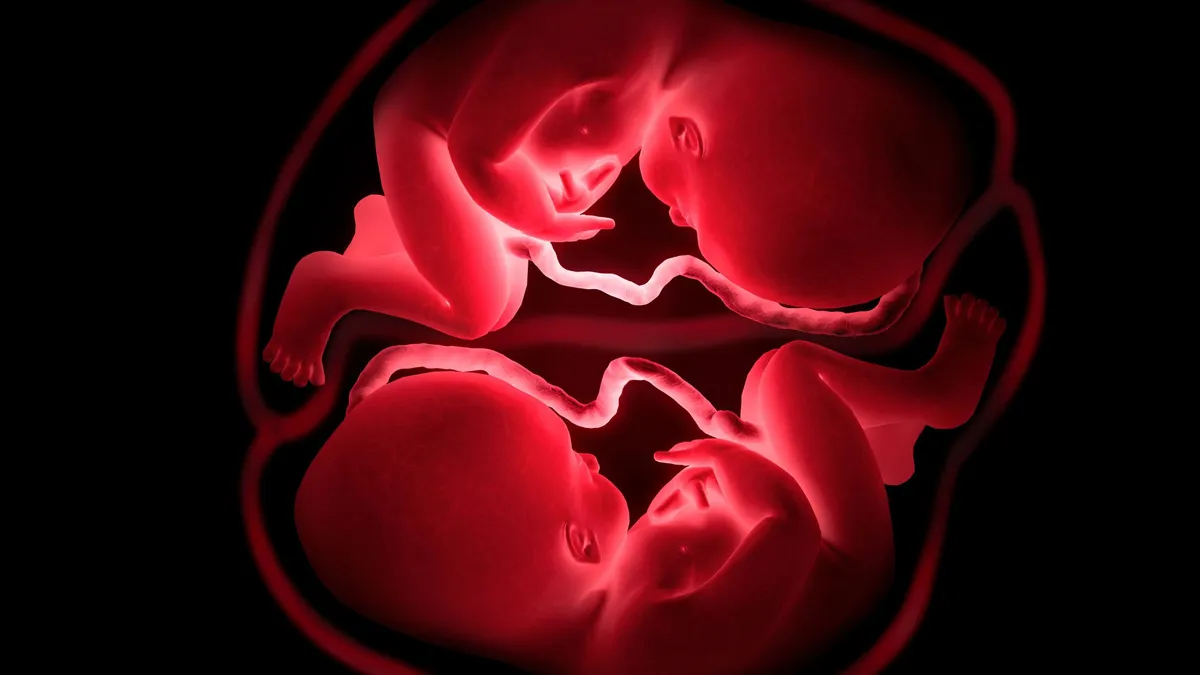
A facial mass detected before birth prompted the early delivery of identical twin sisters. A fetal MRI at 33 weeks showed the mass on one baby's face. When the sisters were born a week later, tumors were found in both. Two children had the same cancer, raising a question that their shared beginnings alone could not answer. Had the disease started separately in each sister, or had cancer cells crossed from one to the other before birth? Researchers turned to a record hidden within their cells. DNA changes, accumulated as their bodies developed, allowed the team to reconstruct events that had happened months before anyone saw a tumor. The study in Nature Communications shows that the cancer began in one sister and passed to the other in the womb, most likely through a single transfer late in the second trimester. The same investigation uncovered clues to how the sisters themselves had formed. The two girls, Amelia and Amaya, died soon after birth. Their family consented to post-mortem examinations for research. The authors dedicate the study to the sisters, whose mother wanted them acknowledged by name.
0 comments
No comments yet. Be the first to share your thoughts!