Film Review: “Send Help” — A Grotesque Satire of Corporate Survival - The Arts Fuse
This story deserves to be shared
Send it to someone who'd care, or post it on your networks.
This article is an excerpt. To read the full content, visit the original source. The Arts Fuse
Related articles
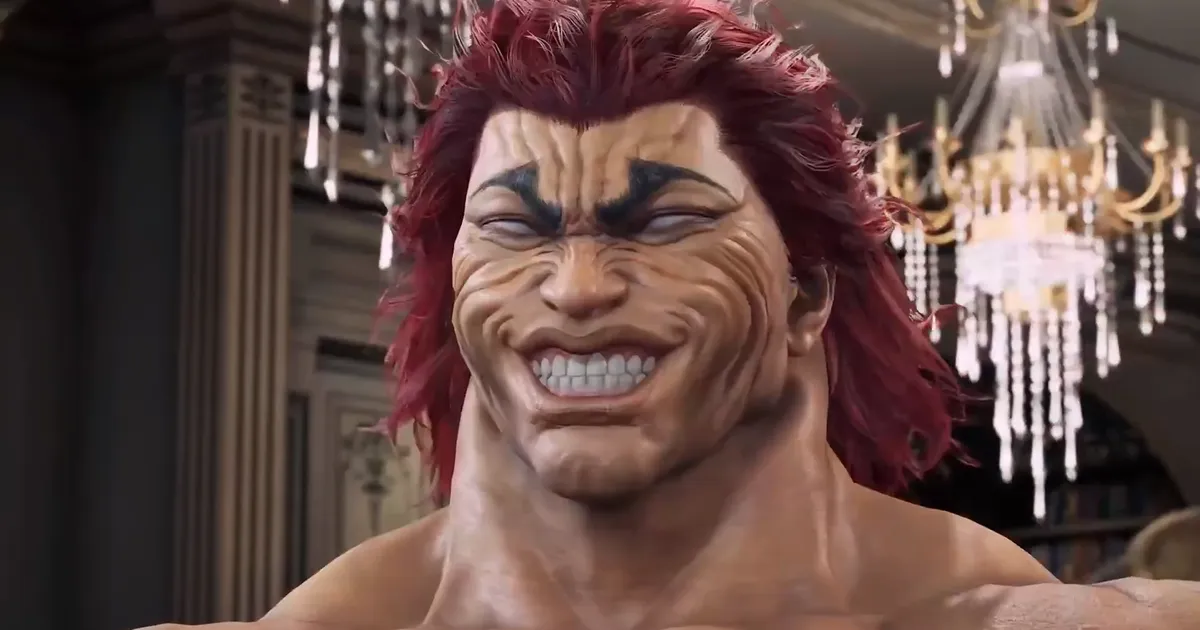
Tekken 8 finally gives a first look at upcoming guest Yujiro Hanma from Baki, and he looks just as grotesque as you'd expect
The main selling point of Tekken 8's Season 3 DLC pass, alongside veterans Kunimitsu, Bob and Roger Jr, is Yujiro Hanma, the main antagonist of fighting manga Baki and father of its eponymous protagonist. Yujiro was initially revealed in May through a trailer made up entirely of panels from Baki, leaving it in question just how a character that looks like that would be adapted into the Unreal Engine 5 hyper-realism of Tekken 8. The answer, apparently, is that Bandai just said fuck it, and let him look inevitably grotesque. The first look at Yujiro in-game arrived during Evo France (where Marvel Tōkon also revealed a bunch of new fighters), with a trailer featuring just a quick tease of his intro animation. Inexplicable flexibility, absurdly huge musculature and horrifying grin on show, Yujiro is horrible to look at. Which, I guess, is the intent? This is kinda just how he looks in the manga, too, but seeing him alongside the rest of the Tekken cast is very jarring. Some part of me hopes he's low tier just so I can see less of him on tournament streams, but somehow I doubt that'll happen: his whole thing is being The Strongest Creature on Earth, after all.
‘Digger’ review: Climate change satire will leave you feeling cold - Yakima Herald-Republic
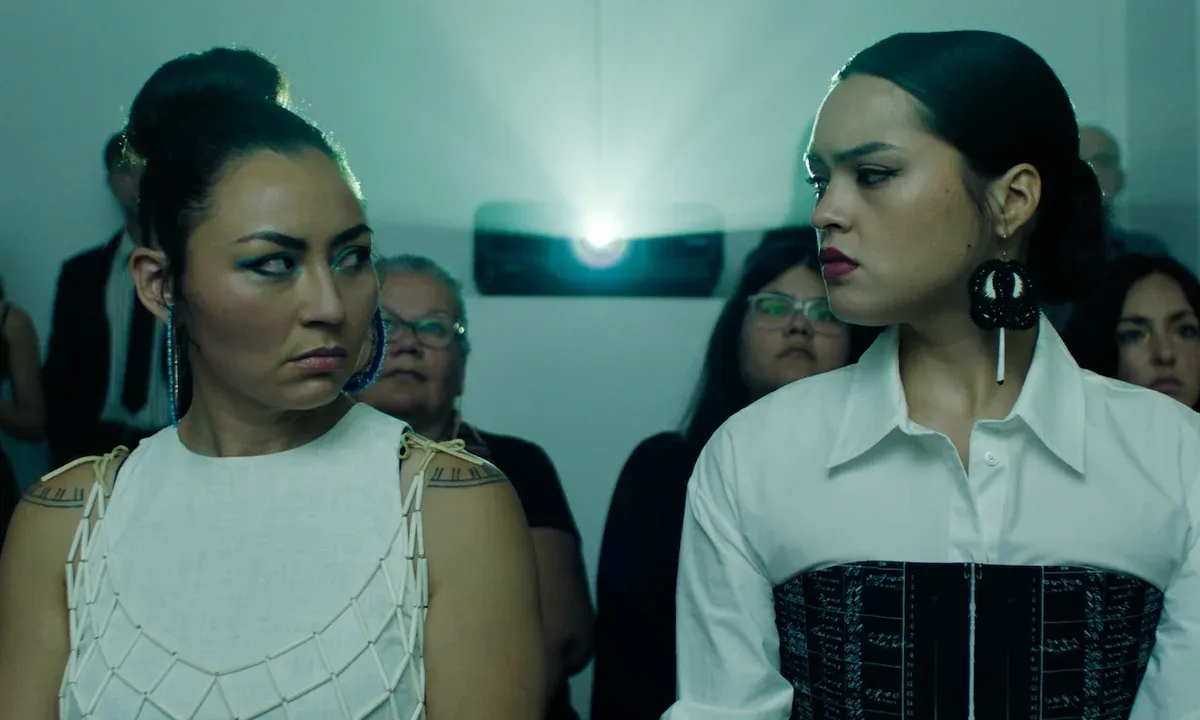
A biting satire of the art world’s transactional wokeness - The Art Newspaper
One major value proposition of virtual reality (VR) has always been its potential to foster empathy. A VR headset, or so the thinking goes, can change a viewer’s political point-of-view as it changes her literal one, aligning her with the subject experience of another person and thereby laying the groundwork for a new social paradigm based on mutual understanding. It’s a heady promise, though perhaps limiting in its reliance on the shock-and-awe of firsthand experience. At this year’s Toronto International Film Festival, which now features an immersive storytelling strand, eyebrows were raised by news reports of a virtual-reality Lesbian Simulator. Also at this year’s festival is In the Heart of the South, whose co-writer and director, Nyla Innuksuk, has created VR works exploring the Canadian Indigenous experience, including a piece for the augmented reality-forward Sámi pavilion at the 2022 Venice Biennale. In In the Heart of the South, Yura (Anna Lambe) is an award-winning Inuk artist attempting a similar transition to feature films.
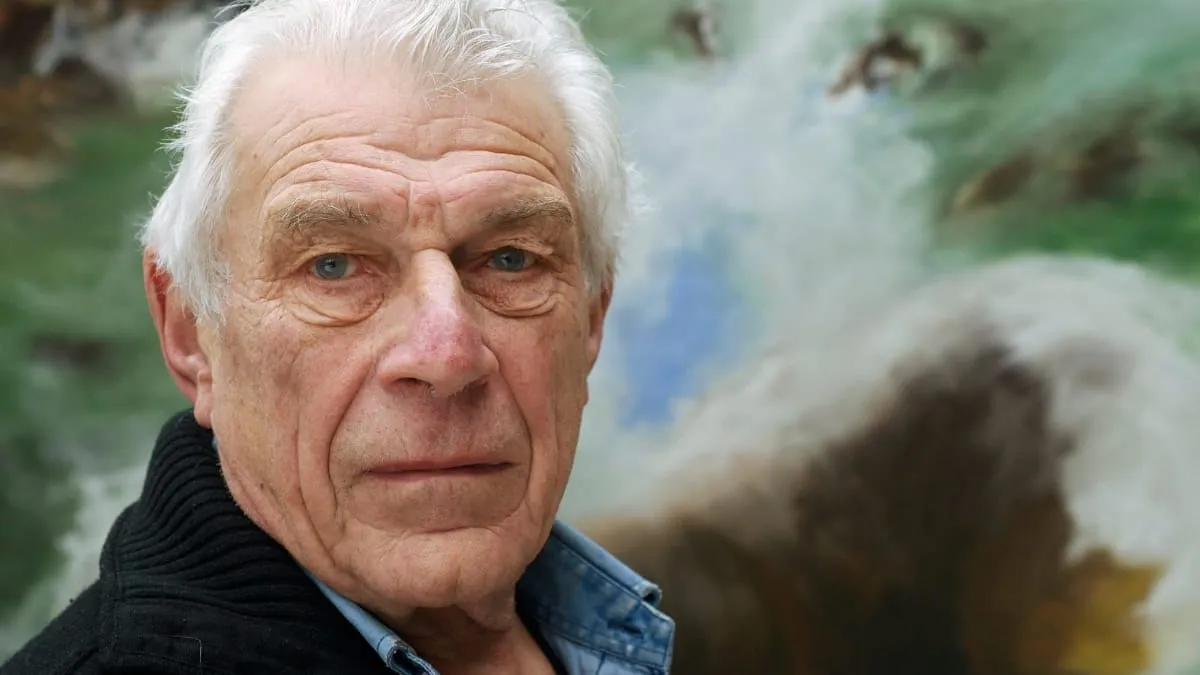
Art Books on Needles and Threads
We recommend titles on fiber art, weaving, and textiles, plus Megan O’Grady on a new John Berger biography. So much has been said about John Berger over the past five decades that it almost feels trite to pile on. You know the familiar takeaways: that the critic and novelist taught us how to look and pay attention, believed art belongs to the people, exposed how the male gaze shapes our perception. So, it’s especially astounding that a new biography by Tom Overton has managed to both capture the scope of Berger’s influence and reframe him, first and foremost, as human. Author Megan O’Grady, who reflects on many of the same questions as Berger in her recent book How It Feels to Be Alive: Encounters with Art and Our Selves, penned a sensitive review of the biography and its approach to addressing the complex personal life of this near-mythologized figure. It’s a poignant, refreshing read, and reminds me of the conversation around the sanctification of artists and writers like James Baldwin, whose work gets flattened in the process. In fact, how we tell the story of an artist’s life (and afterlife) just might be our primary preoccupation this month.
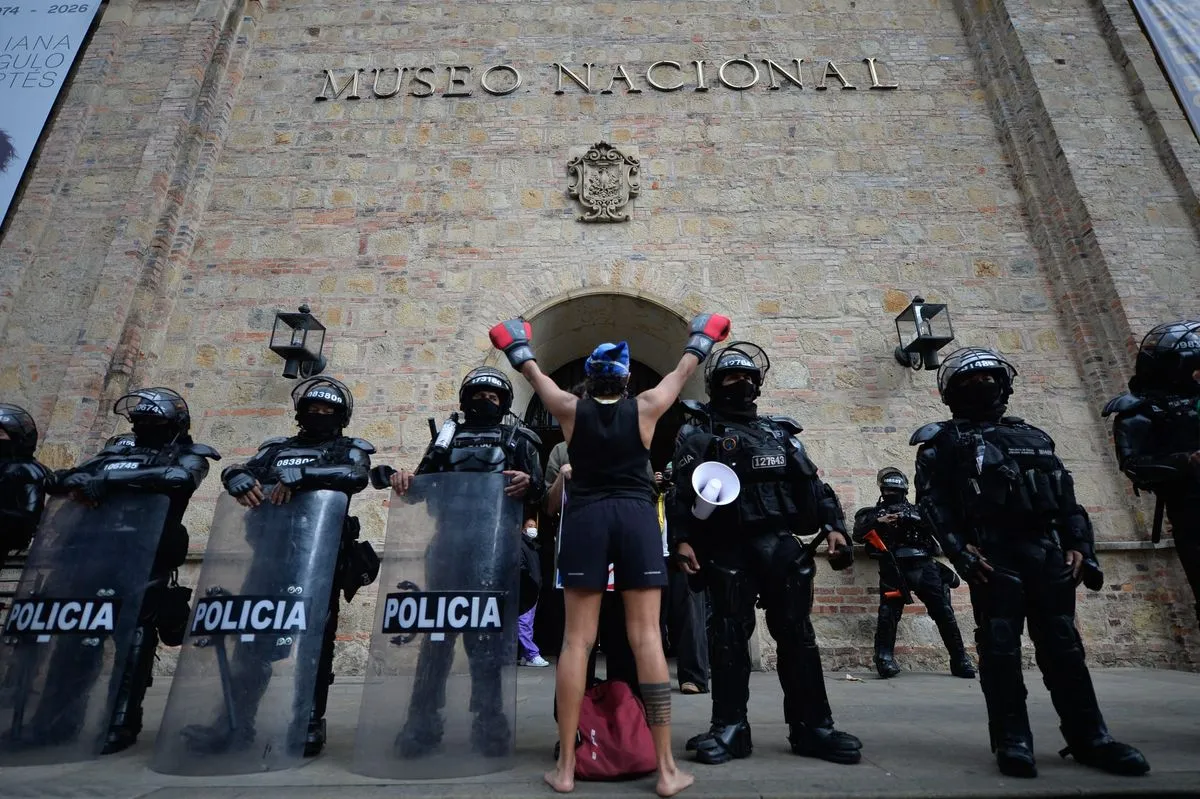
Hundreds Protest in Colombia After Far-Right President Removes Works From National Museum
Hundreds protested at Colombia’s national museum in Bogotá this weekend, days after the country’s far-right government ordered the removal of objects addressing political violence, women’s rights, and LGBTQ+ history — including a rainbow Pride Flag — in a move straight out of the Trumpian playbook. Inside the museum, images taken by locals showed stripped-down gallery walls bearing the haunting silhouettes of dismantled pamphlets and photographs; at the entrance, rows of police in riot gear stood at the ready to suppress demonstrators with water cannons and stun grenades. Under the order of President Abelardo De La Espriella, approximately 30 artworks referencing LGBTQ+ and feminist movements, victims of state violence, and the “Acuerdo de Paz,” the 2016 peace negotiations between the Revolutionary Armed Forces of Colombia (FARC) and the government, were removed from display at the Museo Nacional de Colombia last week.
0 comments
No comments yet. Be the first to share your thoughts!