Fall equinox brings chance to see zodiacal light before sunrise
This story deserves to be shared
Send it to someone who'd care, or post it on your networks.
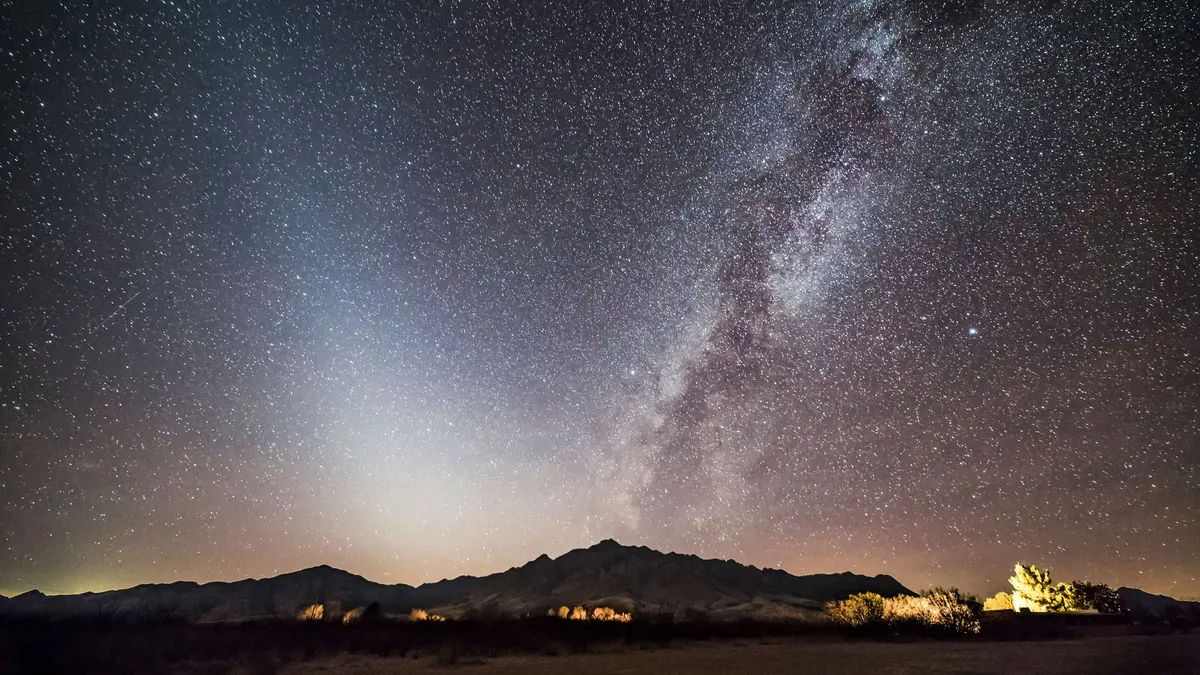
Don’t let ‘false dawn’ fool you! Why the sky may brighten before actual dawnWith the fall equinox approaching, skywatchers have an opportunity to spot a celestial phenomenon called a "false dawn. "Also known as zodiacal light — meaning "light from the circle of animals" — this is a soft, hazy, glowing pyramid shape, appearing from the horizon. It’s caused by sunlight being scattered by dust in the solar system. A comparison of how false and true dawn appear in the sky. When to look for zodiacal lightZodiacal light is visible just before sunrise — "true dawn" — which is how it got its name. The sweet spot is about 90 minutes before the sun makes an appearance. This display is visible all of September and October, but it’s easiest to notice around the equinox on Sept. 22.(MORE: Meteorological fall vs. fall equinox: Which is the best and why?)Get More of Our News on GoogleSet The Weather Company as a 'Preferred Source' to get quicker access to the news you value. That’s because the ecliptic, the path the sun takes around the Earth, is angled to the horizon in a way that brings the glow even higher in the sky.
This article is an excerpt. To read the full content, visit the original source. The Weather Channel
Related articles
Northern lights forecast: Why the equinox means more auroras
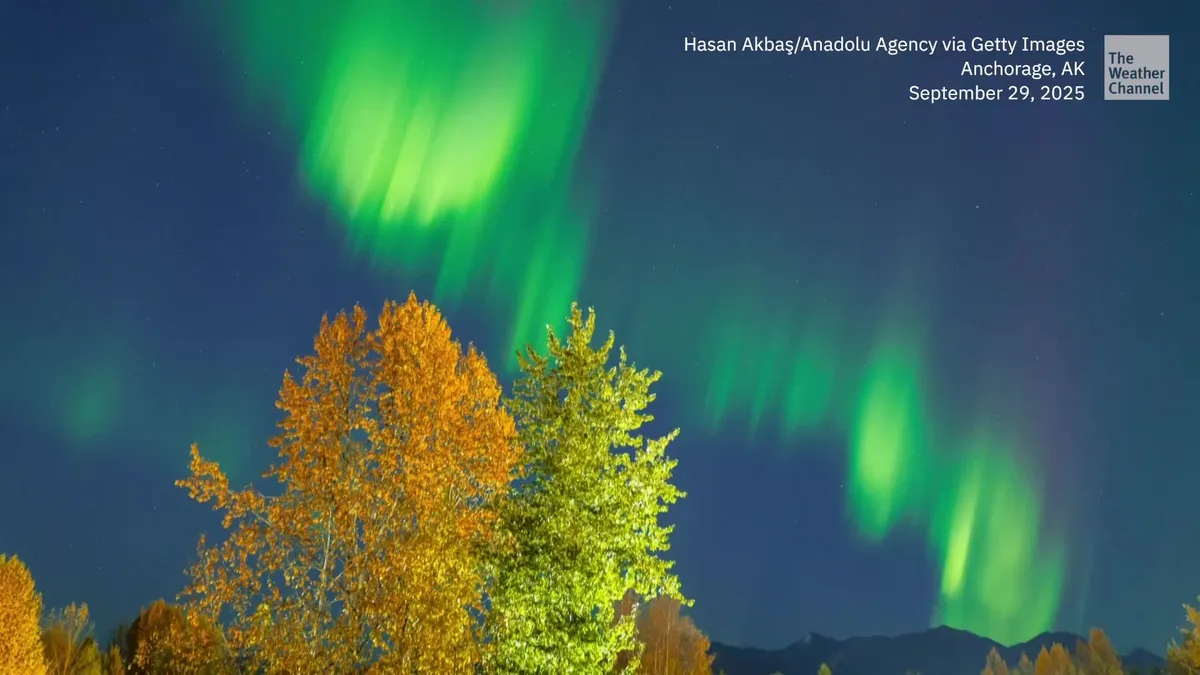
See A Stunning Time-Lapse Of Auroras Over New HampshireThe fall equinox arrived this week, and that means Earth is entering a roughly two-month window when geomagnetic storms, and the auroras they can produce, become more common. That means, starting now, and for the rest of the season, you'll have a greater chance of spotting the northern lights. The reason comes down to some pretty simple (and cool) geometry and physics. How it worksThe Sun is constantly blowing a stream of charged particles known as "solar wind" toward Earth. Luckily, our planet's magnetic field acts as a giant shield, deflecting much of that material. But around the equinoxes, Earth's magnetic field is oriented in a way that can make it easier for energy from the solar wind to get into our atmosphere, which eventually helps power those spectacular auroral displays.(MORE: The best northern lights photos from across the U. S.)Get More of Our News on GoogleSet The Weather Company as a 'Preferred Source' to get quicker access to the news you value. Scientists call this seasonal effect the Russell-McPherron effect. NASA describes the geometry as especially favorable around the spring and fall equinoxes.
Fall equinox sun glare: Why your commute gets dangerous
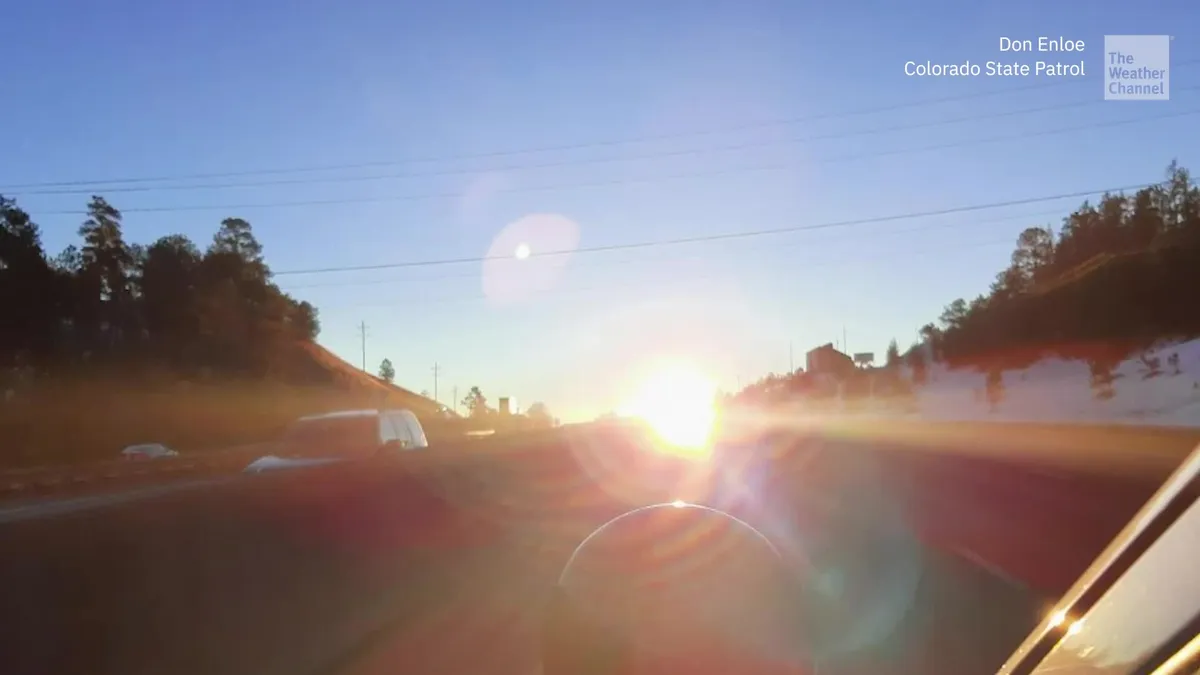
Why the fall equinox makes your commute dangerousOn Sept. 22 at 8:05 p.m. EDT, the sun crosses the equator, marking the fall equinox. For several days, it will rise almost due east and set almost due west, lining up with east-west roads and highways right around rush hour. The National Highway Traffic Safety Administration ties roughly 9,000 crashes each year to sun glare, making it second only to slick roads among environmental causes. “The most dangerous times of day in terms of sun glare are early morning and late afternoon into the evening, so really commute times,” according to meteorologist Caitlin Kaiser. And because the sun gets so low, your car’s sun visor may not be enough to block it. The sun drops below 10 degrees above the horizon about an hour before sunset, below the area most vehicle visors can reach. “Sun glare is more dangerous in the fall and winter,” she said.
Can you really balance an egg on the equinox?
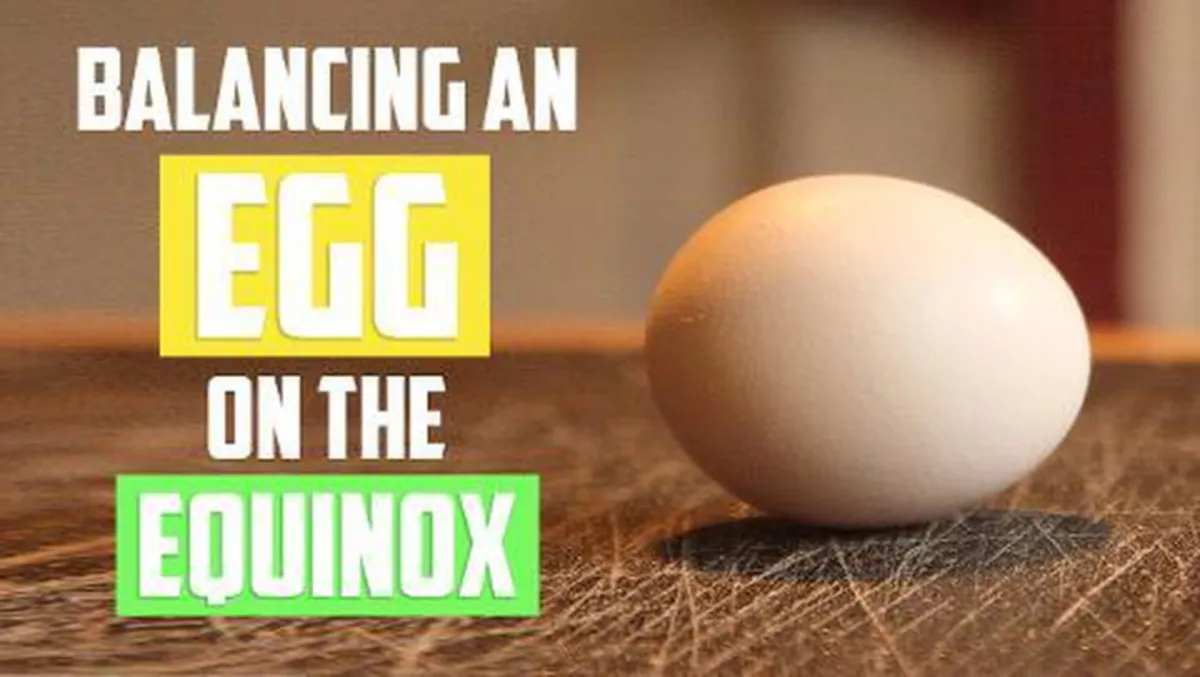
There are a few urban myths surrounding the equinoxes that make their rounds on the internet each year, no matter how often they're debunked. The balancing actWhenever the equinox is approaching, spring or fall, word spreads that this is the day to perform a "fantastical feat" of egg balancing. While balancing an egg on its narrow end is challenging at any time, the equinox in no way makes that task easier. These two eggs were balanced on there ends on March 24, 2015, four days after the equinox. (Scott Sutherland)RELATED: Equinox vs Equilux: When do we see equal day and night this fall? The reason for this? Basically, while it's true that every object in the universe tugs on every other object, here on Earth's surface, our planet's gravity completely overwhelms any other gravitational forces we (or eggs we are balancing) might experience. The Moon's gravity is the next strongest influence, followed by the Sun, and they are the reasons for our ocean tides. However, the tides only occur due to the cumulative effect of these objects simultaneously pulling on each individual molecule in an immense body of water.
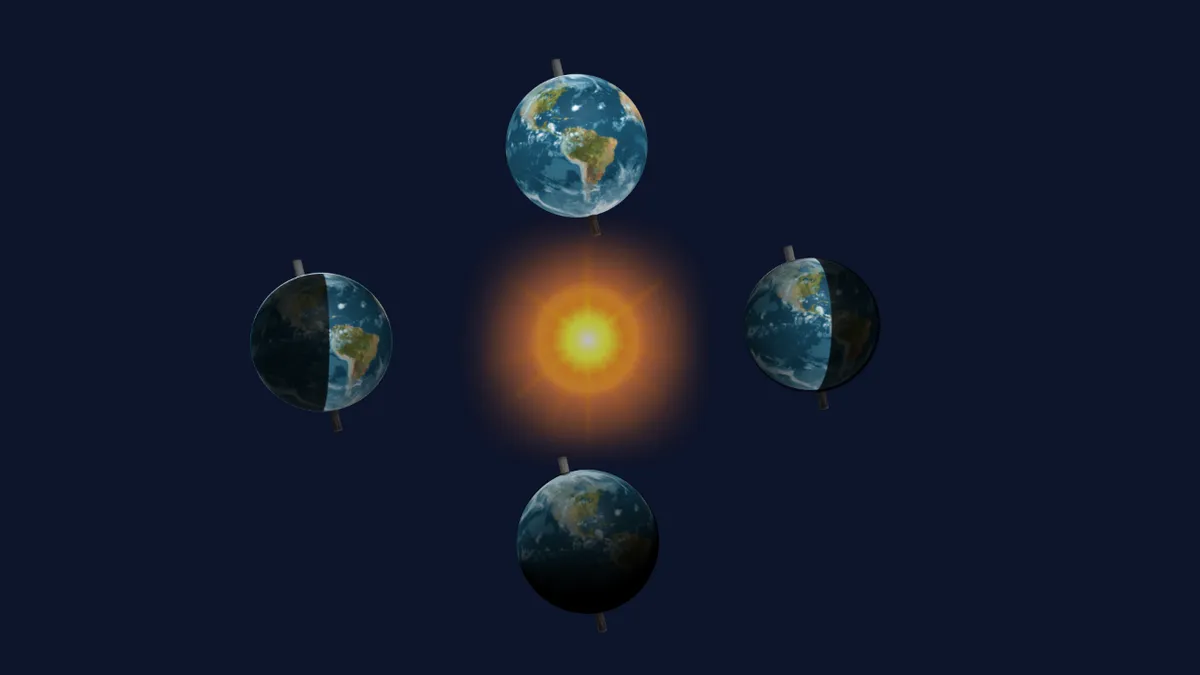
What the fall equinox actually means
Fall equinox does not actually divide night and day evenlyThe fall equinox marks the beginning of autumn in the Northern Hemisphere each September. Here are some answers to the most common questions about this. When is it? In 2026, the autumnal equinox happens at 8:05 p.m. EDT Tuesday, Sept. 22. What happens at that exact time? The sun's most direct rays will shine on the equator on Tuesday. That only happens one other time of the year, during the spring equinox in late March. So, if you happen to be along the equator, the sun will be directly overhead in the middle of the day Tuesday. That means you'll see virtually no shadow cast on objects along the equator. If you care for a more geeky definition and love geometry, NASA is happy to oblige:Get More of Our News on GoogleSet The Weather Company as a 'Preferred Source' to get quicker access to the news you value. The equinox marks the exact moment when the center of the Sun crosses the plane of our planet’s equator.— NASAWhat does this moment mean? It's the official start of astronomical fall in the Northern Hemisphere. However, south of the equator, it’s their start of spring and it’s called their spring, or vernal equinox.
0 comments
No comments yet. Be the first to share your thoughts!