Evolutionary Biologist Wins Prestigious Research Prize - Mirage News
This story deserves to be shared
Send it to someone who'd care, or post it on your networks.
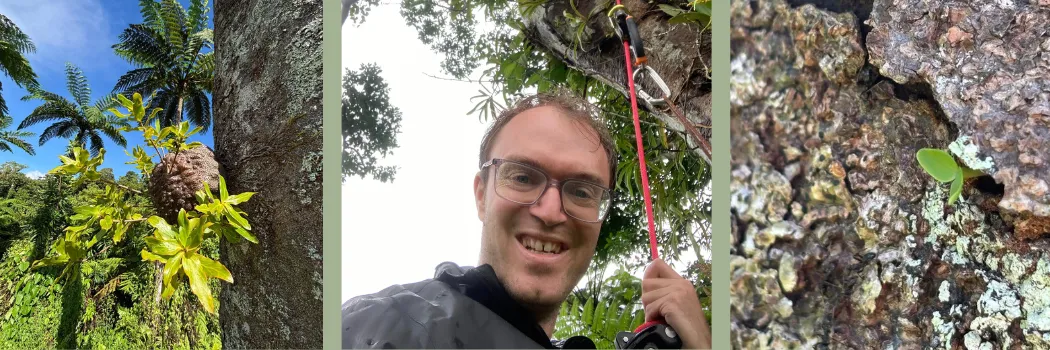
Professor Guillaume Chomicki from our Department of Biosciences has been awarded a prestigious Philip Leverhulme Prize for his internationally recognised research in evolutionary biology. The prizes, awarded by the Leverhulme Trust, recognise outstanding researchers whose work has already gained international recognition and whose future careers show exceptional promise. Guillaume conducts world-leading research into how partnerships between species evolve, persist and break down. He is particularly interested in why different species - such as insects and plants - form partnerships and what causes these relationships to change or break down. Partnerships over millions of years Much of Guillaume's work focuses on the Hydnophytinae, a group of around 100 plants that grow on the branches of rainforest trees across Australasia. They form swollen, hollow stems divided into chambers where ant colonies live. In return, the ants feed the plant with their waste and with the debris they carry home. Some of these plants rely on a single specialist ant, others accept many kinds, and some have given up ants altogether.
This article is an excerpt. To read the full content, visit the original source. Mirage News
Related articles
PBS Forgot to Ask Biologist Richard Sternberg About Cetacean Evolution - Science and Culture Today
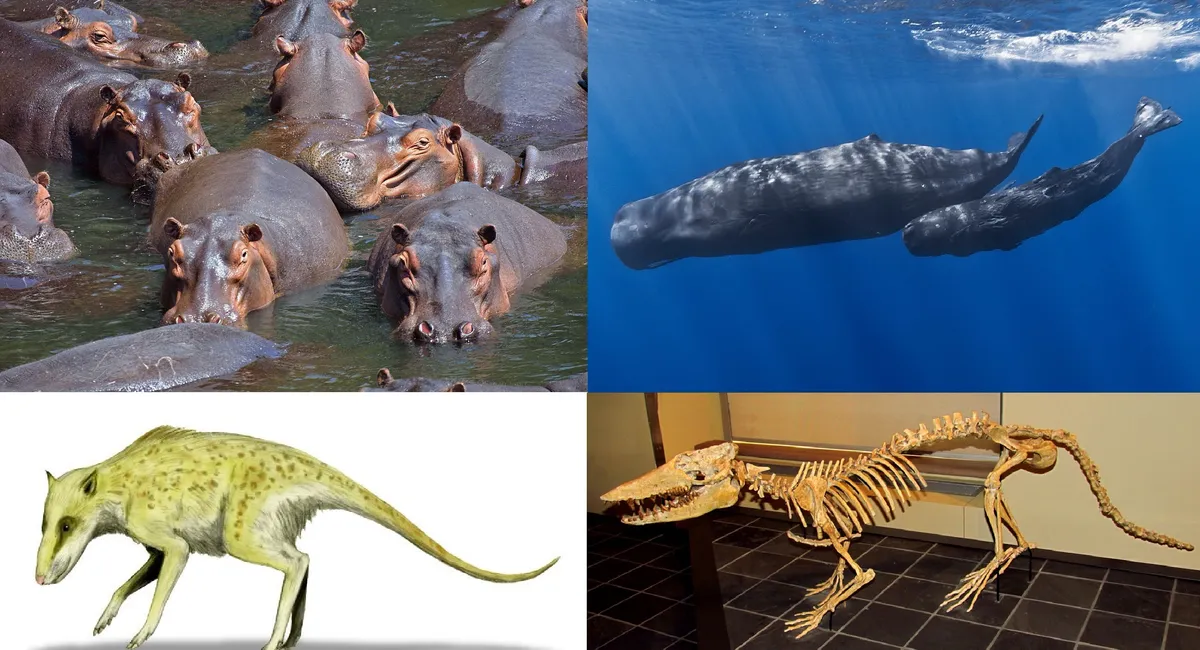
The first episode of the NOVA PBS documentary series Evolution, which aired last night and you can see here, makes it sound like a land animal coming to live full time in the sea is pretty much a breeze. The creature is shown probing cautiously in the water with a forelimb, and almost the next thing you know, we’ve got fully ocean-going cetaceans including dolphins and whales. As biologist Richard Sternberg explains, there simply isn’t enough time for that transition to have occurred through unguided chance mistakes alone, as PBS imagines it. Watch: They forgot to ask Dr. Sternberg about this problem. The smooth narrative of the documentary is expected to carry the viewer along, not asking any questions. More details of the issue are discussed by Sternberg in my book Plato’s Revenge: The New Science of the Immaterial Genome.
UBC evolutionary biologist awarded Peter Wall fellowship - The University of British Columbia
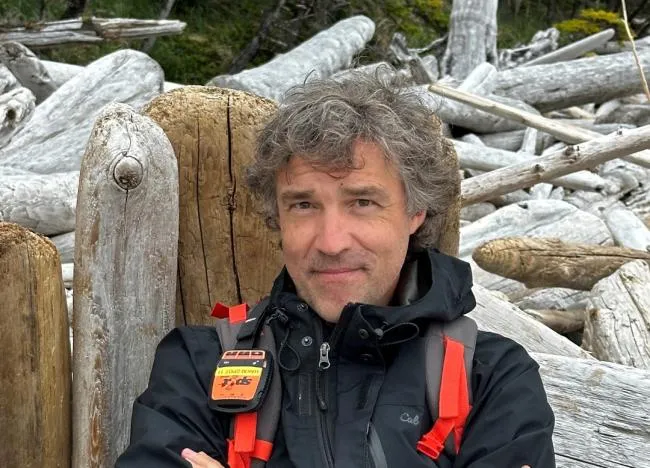
UBC evolutionary biologist Dr. Patrick Keeling has been awarded a 2026 UBC Wall Fellowship—one of the most generous internal awards granted at any university in North America. The funding, valued at $1 million, will enable Dr. Keeling and his team to map microbial networks among B. C. coastal invertebrates living adjacent to intensive aquaculture, documenting their microbiomes, identifying hidden reservoirs of marine pathogens, and improving our ability to trace disease outbreaks. Working with coastal First Nations and the Hakai Institute, the project will also engage First Nations students in community-based environmental genomics research, combining scientific discovery with local knowledge to help protect ocean health. Ocean microbes are essential to healthy marine ecosystems, yet little is known about how they move between species or spread disease. Each year, UBC’s Peter Wall Legacy awards provide approximately $4 million to push forward innovative faculty and student research tackling major sustainability challenges in British Columbia and around the world. The awards are made possible by an extraordinary gift from Dr.
Could a whale really swallow a human? We asked a biologist. - Popular Science
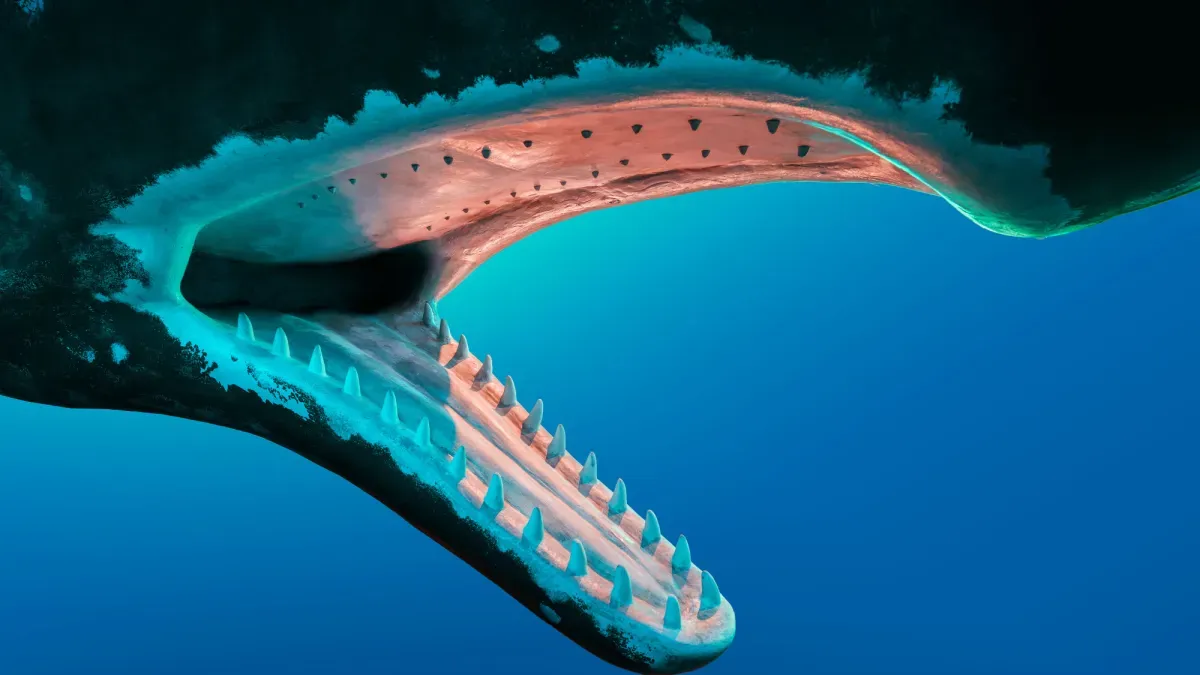
Imagine this: A giant sperm whale (Physeter macrocephalus) has just swallowed you whole. It might seem like a bizarre scenario to envision, but you’d hardly be the first. In the Bible’s Book of Jonah, the belly of a whale is the setting for the prophet Jonah’s three days of repentance and prayer. In the 1940 Disney film Pinocchio, Geppetto manages to rig up a cozy living space inside the stomach of Monstro the sperm whale, complete with amenities including a small fire and a fishing setup for seafood that drifts in. Even his pet goldfish, Cleo, is swimming inside the microcosm of her highly ironic fishbowl.
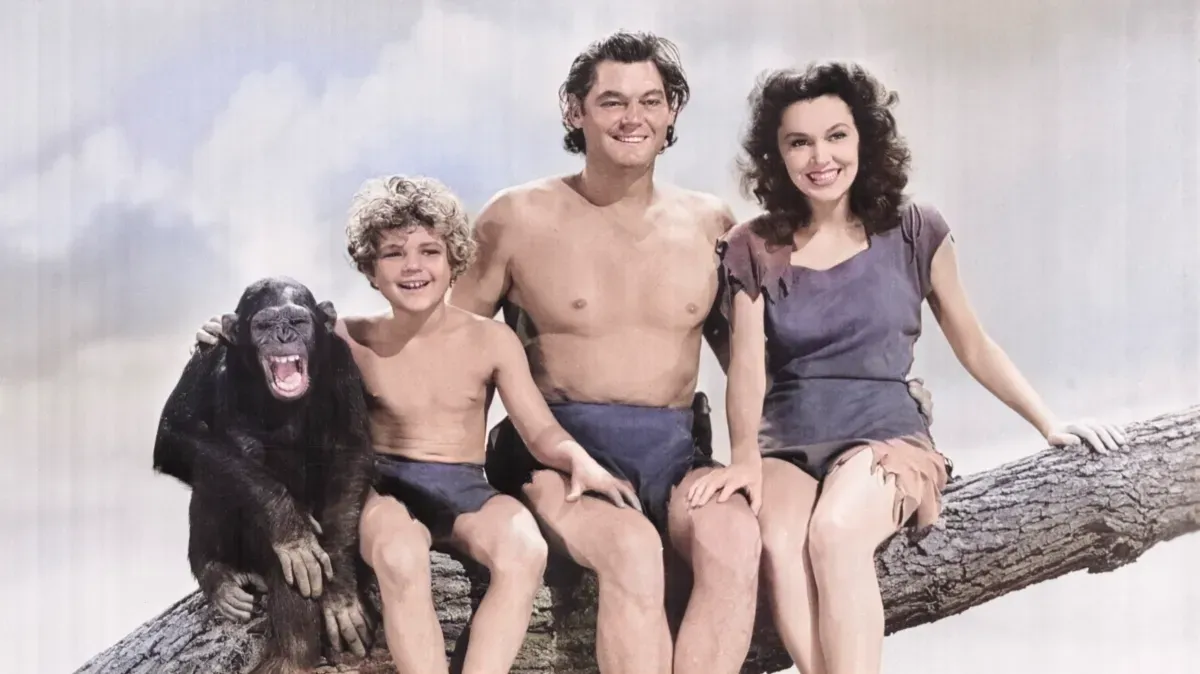
In 1926, a Russian biologist tried to create a human-chimpanzee hybrid - Popular Science
Darwin’s theory of evolution by natural selection, published in the mid-19th century, challenged the belief that all living creatures were created by God. Many religious critics regarded the idea that humans and other apes shared evolutionary ancestry as blasphemous, particularly in the evangelical United States. By the early 20th century, public debate over evolution reached a fever pitch. In 1925, a young high school teacher named John Thomas Scopes was famously prosecuted for violating a Tennessee law that banned public school teachers from saying that humans descended from lower forms of life.
0 comments
No comments yet. Be the first to share your thoughts!