Everything and nothing is conscious: default assumptions in science and ethics - Frontiers
This story deserves to be shared
Send it to someone who'd care, or post it on your networks.
This article is an excerpt. To read the full content, visit the original source. Frontiers
Related articles
[Science Through Covers] Science spotlights women beyond a “male default” in medicine - DongA Science
This week’s cover of the international journal 'Science' features a woman’s profile alongside a snake coiled around the female sex symbol. The snake and staff originate from the legend of Asclepius, the god of medicine in Greek mythology, and are used as symbols of medicine. Women account for more than half of the global population, yet most of what we currently know about the female body is based on research conducted in men and then generalized. This situation has begun to change in recent years.
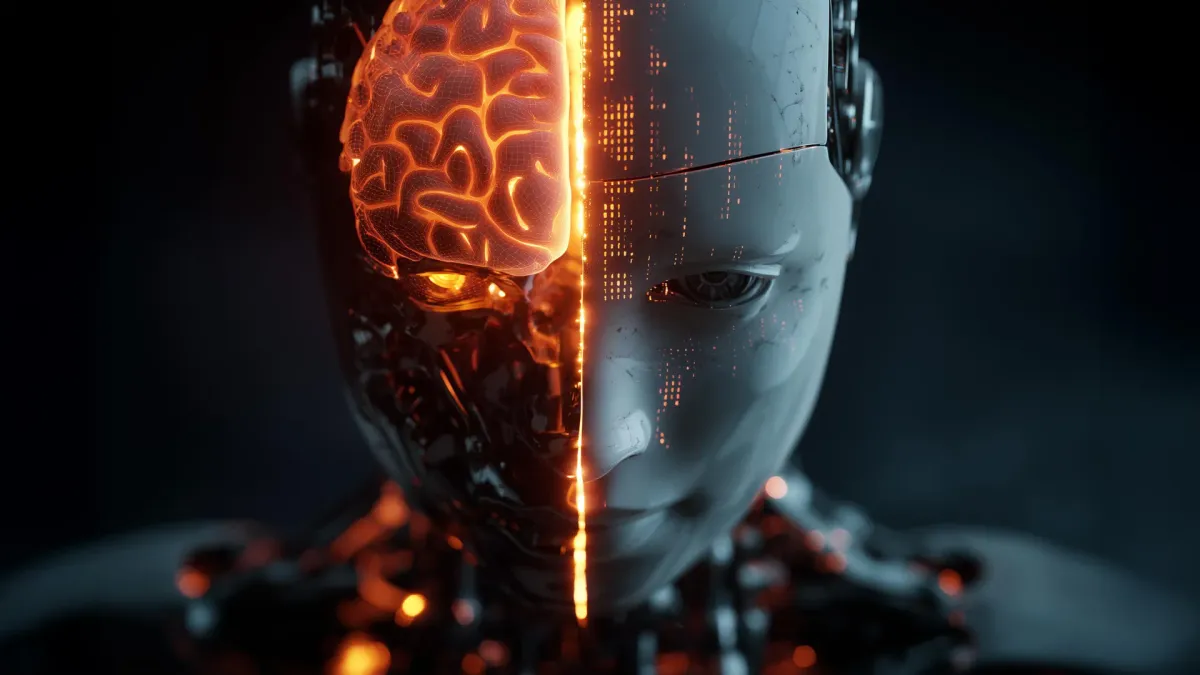
AI can act exactly like a human, but we still don't think it's conscious - Science Daily
Even when artificial intelligence behaves exactly like a human, people are reluctant to consider it conscious, according to a new study from Ludwig Maximilian University of Munich (LMU). As artificial intelligence becomes more advanced, reports of AI systems misleading users, working together, or appearing to pursue independent goals are becoming increasingly common. These behaviors often lead people to describe AI as though it can think, feel, or make decisions for itself. But does behaving like a human actually convince people that a machine has consciousness?
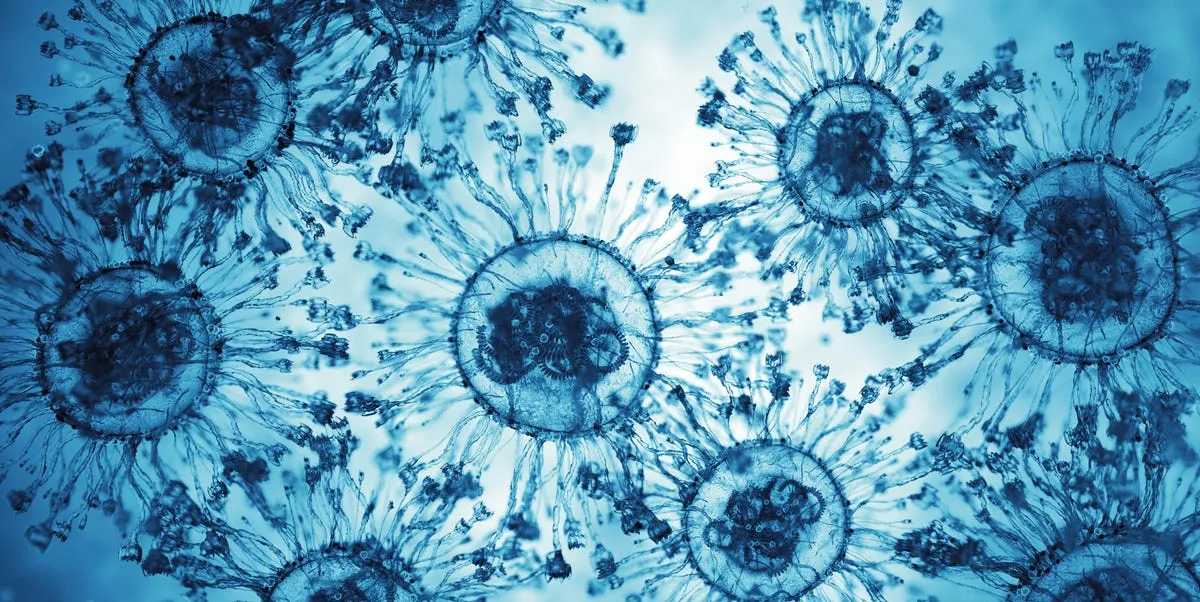
A ‘Third State’ Exists Between Life and Death—And That Suggests Your Cells Are Conscious, Some Scientists Say - Popular Mechanics
Scientists have discovered that some cells can reorganize after an organism’s death into new “third state” forms called xenobots that exhibit unexpected behaviors. While some researchers argue that cells show decision-making or even consciousness, skeptics say there’s not enough evidence. Xenobots could help scientists understand cell organization and develop future health therapies. The biological cycle of our existence seems relatively straightforward: we’re born, we live, we die. The end. But when you examine existence at the cellular level, things get a bit more interesting. You, me, and all of the 108 billion or so Homo sapiens who’ve ever walked the Earth have all been our own constellation of some 30 trillion cells. Each of our bodies is a collective organism of living human cells and microbes working in cooperation to create what our minds view as “life.” However, a growing number of new studies have found that, at least for some cells, death isn’t the end. Instead, it’s possibly the beginning of something new and wholly unexpected.
0 comments
No comments yet. Be the first to share your thoughts!