Enhanced health evaluation in mice using continuous home-cage monitoring and machine learning: a multicentric study - Nature
This story deserves to be shared
Send it to someone who'd care, or post it on your networks.
This article is an excerpt. To read the full content, visit the original source. Nature
Related articles

Continuous glucose monitors help type 2 diabetes patients spend 5 more hours a day in healthy blood sugar range - Medical Xpress
Continuous glucose monitors (CGMs) could transform diabetes management for millions of Americans with type 2 diabetes who don't take insulin, according to findings published in the New England Journal of Medicine. The clinical trial found that adults using CGMs spent approximately five additional hours each day within their target blood sugar range compared with those receiving routine care. Nearly twice as many CGM users also achieved an A1c level below 7%, a common treatment goal for people with diabetes.
Weakness, Chills, and Back Pain in a 62-Year-Old Woman - Medscape Reference: Drugs, Diseases & Medical Procedures

Pakistan reports 7th polio case of the year, 1st case in Karachi in nearly 2 years - Outbreak News Today
Pakistani health officials have confirmed the seventh polio case of 2026 for Pakistan from Karachi East District in Sindh. The affected child is a six-month-old male from Union Council Jamali Colony of Karachi East. The last case from Karachi was reported in December 2024. Of this year’s 7 reported cases, five are from Khyber Pakhtunkhwa (four from southern KP alone) and two are from Sindh. Despite an overall decline in wild poliovirus transmission, Karachi has continued to report environmental detections throughout the year, indicating that ongoing transmission remains a real threat for children. Subscribe to Outbreak News TV on YouTubeIn 2026, Pakistan has already implemented four large-scale polio campaigns, protecting more than 45 million children multiple times, alongside smaller targeted oral and injectable vaccination campaigns in high-risk areas. In September, a subnational campaign protected over 29.3 million children across the country, while the next vaccination round is scheduled from November 2-8 to protect nearly 24 million in 97 districts, including all districts of Karachi.
CHMP Backs Extended Use of AstraZeneca H5N1 Pandemic Flu Vaccine - Contagion Live
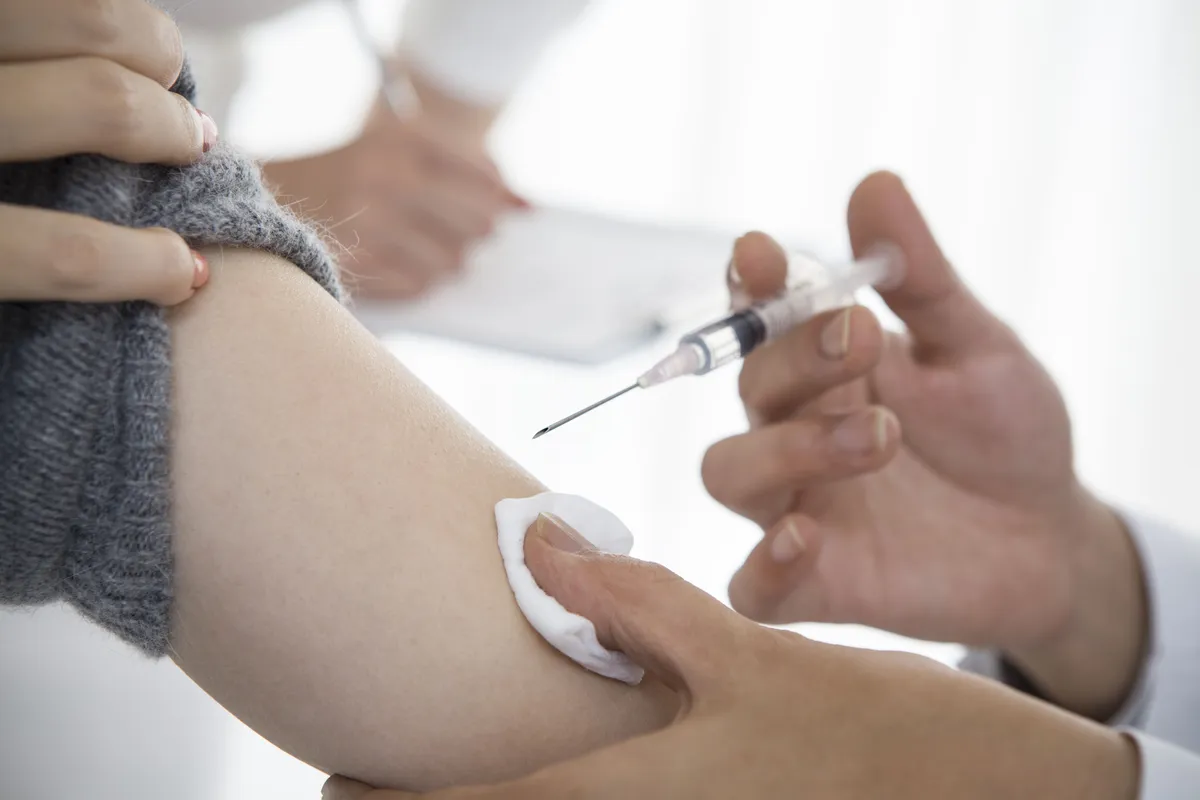
The Committee for Medicinal Products for Human Use (CHMP) of the European Medicines Agency (EMA) adopted a positive opinion on October 15, recommending an extension of indication for AstraZeneca’s H5N1 pandemic influenza vaccine.1 The extension removes the upper age limit from the vaccine’s current indication, which covers children and adolescents aged 12 months to younger than 18 years.2,3Pandemic influenza vaccine H5N1 AstraZeneca (pandemic influenza vaccine [H5N1] [live attenuated, nasal]; AstraZeneca) is an intranasal pandemic preparedness vaccine with conditional EU authorization since 2016.³ It is intended for use only after an official pandemic declaration and in line with official recommendations.¹What the CHMP Indication Extension Means AstraZeneca applied to remove the upper age limit based on efficacy and safety data already submitted in the original marketing authorization application, according to the CHMP agenda.² The revised indication covers active immunisation against influenza in an officially declared pandemic situation, used in accordance with official recommendations.¹ Adults would become eligible alongside children aged 12 months and older once the change
New wheat disease detection tool established in Tanzania - Phys.org
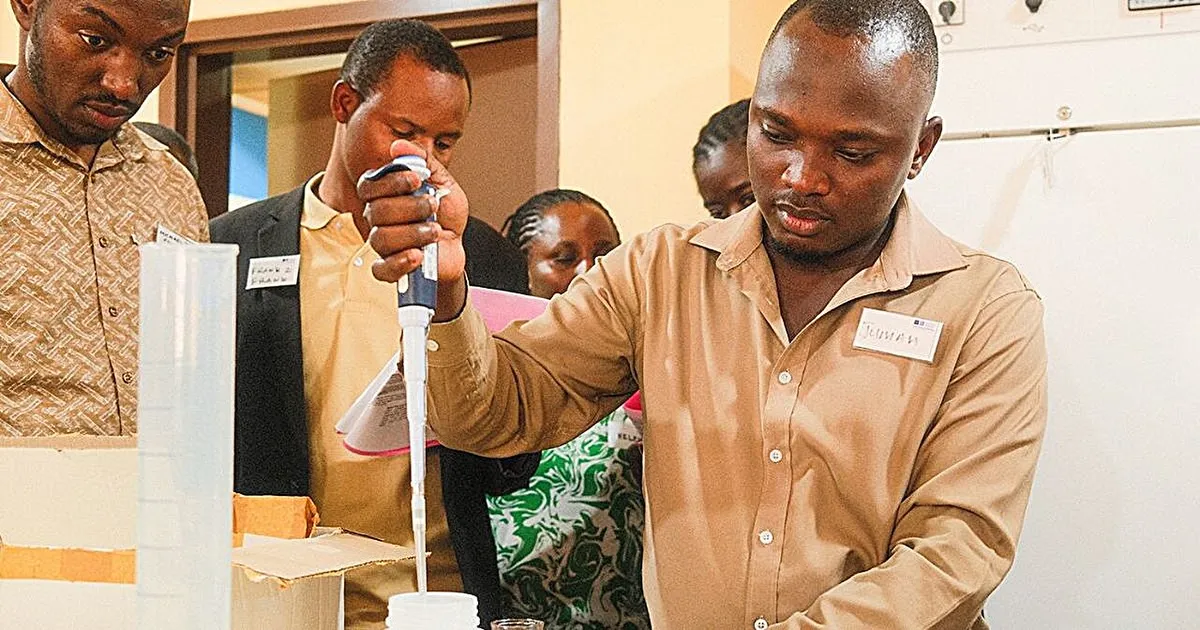
John Innes Centre researchers have trained scientists from across Tanzania to use new loop-mediated isothermal amplification (LAMP) assays to rapidly detect wheat blast, a looming fungal threat to wheat harvests. Hosted at the Tanzanian Agricultural Research Institute (TARI), the training covered how to use LAMP assays as low-cost, rapid tests to detect the presence of a fungal disease known as wheat blast (caused by Magnaporthe oryzae pathotype Triticum). The disease has not been found in Tanzania yet, but has been confirmed in neighboring Zambia. Providing rapid detection tools such as LAMP helps to improve Tanzania's ability to identify and respond to the threat of wheat blast, should the disease reach the country.
0 comments
No comments yet. Be the first to share your thoughts!