Donated comfort kits support assault survivors in rural communities - Island Health
This story deserves to be shared
Send it to someone who'd care, or post it on your networks.
This article is an excerpt. To read the full content, visit the original source. Island Health
Related articles
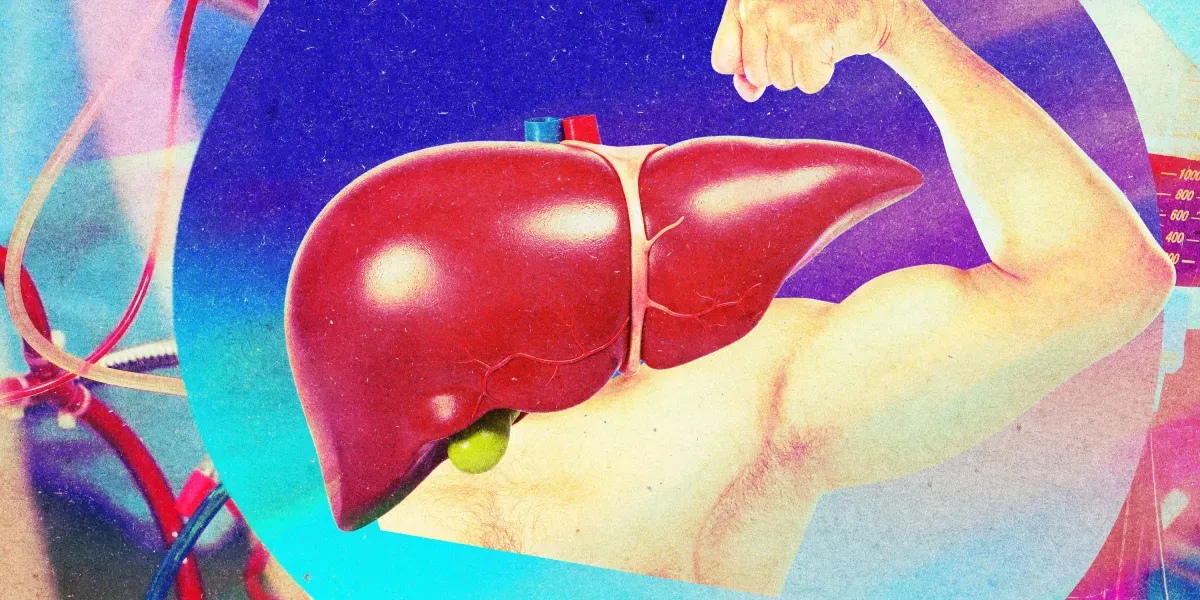
Donated livers can be made biologically younger - MIT Technology Review
Once an organ is removed from a donor’s body, the clock starts ticking. Surgeons usually flush the organ with a preservative solution, bag it, and put it on ice—where it immediately starts to degrade. The team has a matter of hours to get it into a recipient’s body. There’s another option—one that has been growing in popularity in recent years, especially for donated organs that aren’t in the healthiest state. Some hospitals opt to put them on machines that pump them with nutrients and remove waste products, usually for around six to 12 hours. It’s a bit like being back in a body. This allows doctors to assess the organs, and some recent studies suggest that time spent on these perfusion machines helps them do better once they’re transplanted. Now, scientists have found that perfused organs seem to get younger, at least at a molecular level. The research, shared with MIT Technology Review, provides molecular clues as to why organs from younger donors are known to have a higher success rate. It might also help explain why perfused organs are less likely to fail once they make it into a recipient. The researchers behind the study hope to find new ways to test the health of donated
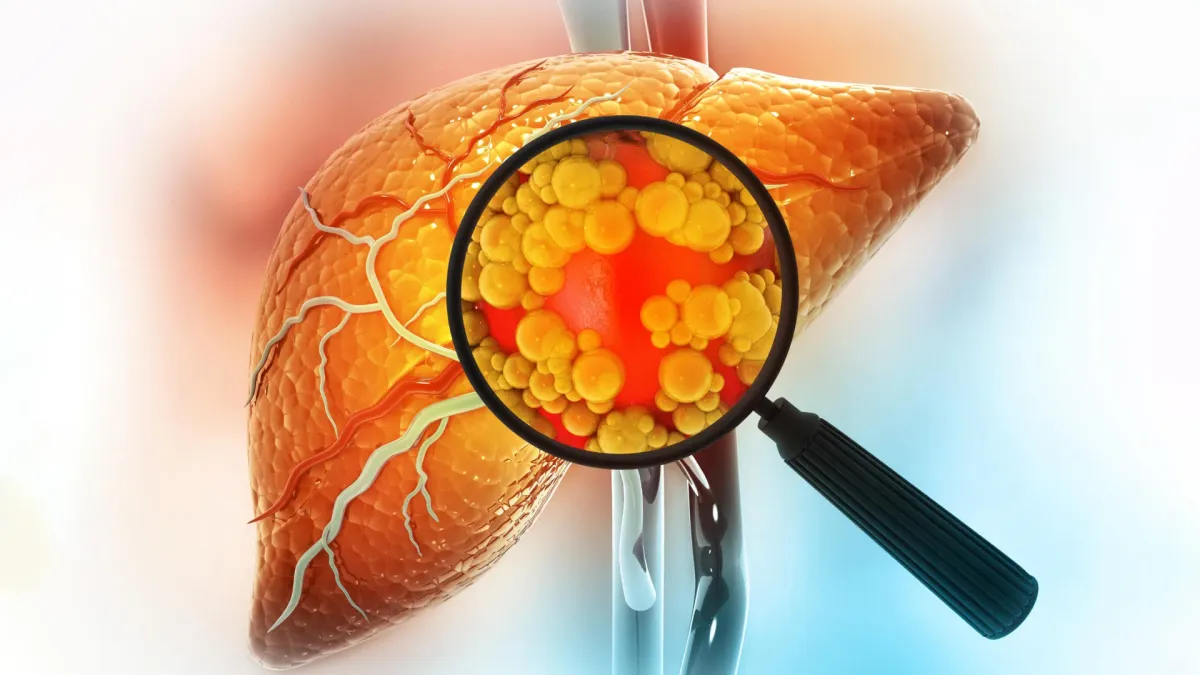
Fatty liver disease is actually five different conditions, scientists discover - Science Daily
A common liver disease affecting nearly 30% of adults worldwide is far more complex than previously understood. Researchers at Mayo Clinic have identified five biologically distinct forms of the condition, each associated with different risks of serious health complications, including heart disease, liver failure, cancer, and the need for a liver transplant. The findings, published in Nature Communications, come from a collaboration between Mayo Clinic and Virginia Tech. Scientists discovered that metabolic dysfunction-associated steatotic liver disease, or MASLD, can develop through several different biological pathways. Some are closely connected to obesity and diabetes, while others appear to be driven by inherited genetic differences.
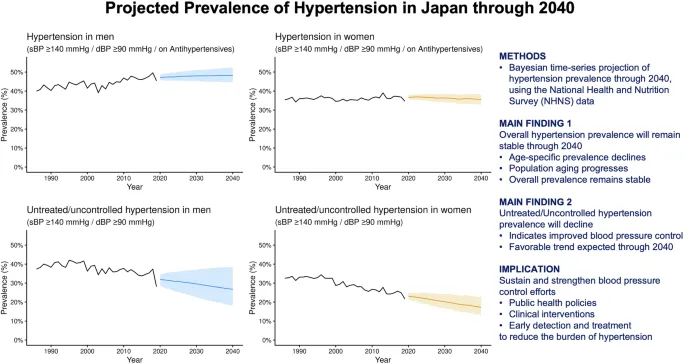
Projected prevalence of hypertension and untreated/uncontrolled hypertension in Japan through 2040 - Nature
IntroductionHypertension is a major global health concern and a leading cause of morbidity and mortality [1]. It is estimated that more than 19 million annual deaths are attributed to cardiovascular disease (CVD) worldwide [2]. In Japan, high blood pressure (BP) has been consistently identified as a strong risk factor for the national burden of CVD, in terms of notable incidence, mortality, direct/indirect healthcare costs, and quality-adjusted life years (QALYs) associated with this condition [3, 4]. Although age-specific mean BP declined in Japan over recent decades [5], hypertension remains a critical public health issue, particularly because of the rapid aging population. The proportion of individuals aged ≥65 years is projected to reach approximately 35% by 2040 in Japan [6], highlighting a potentially higher future burden of hypertension in this country. While the prevalence of hypertension increases with age, population aging may offset the benefits of declining BP levels in each age group. As a result, the future burden of hypertension in Japan remains uncertain.

NHCS launches centre to advance cardiovascular research for Asian patients - Healthcare Asia Magazine
It also established a $2.5m professorship to support its cardiothoracic surgery leadership. The National Heart Centre Singapore (NHCS) has launched a centre to develop cardiovascular disease models using heart cells derived from Asian patients. The Centre for Integrative Human Cell Research and Translation (CIPHER), launched on 16 October, uses blood samples from Asian patients to grow heart muscle cells for disease research and drug testing. It is the first centre in Singapore dedicated to cardiovascular research using this approach. NHCS also announced the establishment of the Tong Ming Chuan Professorship in Cardiothoracic Surgery, the first professorship in the field under the SingHealth Duke-NUS Academic Medical Centre (AMC). CIPHER aims to address gaps in cardiovascular research, as some heart conditions develop earlier and present differently in Asian populations than in Western populations. Many treatments have historically been developed using models that do not fully reflect Asian biology. The centre uses blood samples to generate induced pluripotent stem cells, which are developed into heart muscle cells carrying features of each patient’s disease.
0 comments
No comments yet. Be the first to share your thoughts!